The Landscape of AAC Transition
For decades, the field of speech-language pathology has observed a "services cliff" that occurs when students graduate from public school systems. While the Individuals with Disabilities Education Act (IDEA) mandates support through the age of 21 in the United States, adult services—governed by a disparate patchwork of state Medicaid waivers and vocational rehabilitation programs—rarely offer the same level of consistent, communicative support.
Data from the Bureau of Labor Statistics and various disability advocacy organizations indicate that individuals with complex communication needs (CCN) face significant employment gaps. According to recent longitudinal studies, unemployment rates for individuals who rely on AAC systems remain disproportionately high compared to the general population, often exceeding 70% in certain demographics. This discrepancy is frequently attributed to a lack of preparation for the communication demands of the workplace, social settings, and independent living environments.
Chronology of Planning for Adulthood
Effective transition planning is not a singular event but a multi-year process that should ideally begin by age 14.
- Early Exploration (Ages 14-16): During this phase, the emphasis is placed on identifying the individual’s communication goals, including vocational interests and personal preferences. AAC systems are audited to ensure they meet the needs of the student outside of a controlled academic environment.
- System Refinement (Ages 16-18): As the student approaches adulthood, the focus shifts to hardware durability and software flexibility. The transition involves moving from academic-centric vocabulary to a lexicon focused on advocacy, self-regulation, and community participation.
- External Integration (Ages 18-21): This critical window involves identifying external support providers, such as speech-language pathologists (SLPs) who specialize in adult AAC, and securing funding for equipment maintenance or updates.
- Post-Educational Implementation (Age 21+): The focus settles on maintenance, troubleshooting, and the iterative process of updating communication systems as life circumstances evolve.
Key Themes in the AAC in the Cloud Presentation
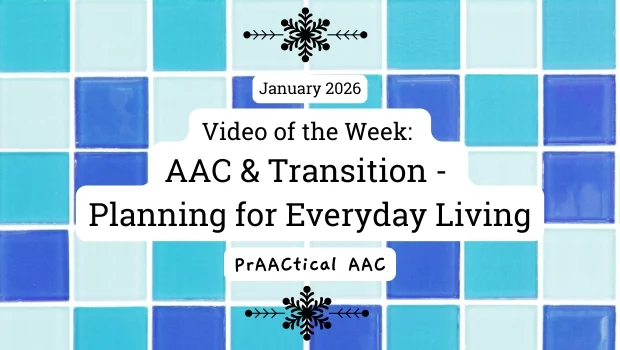
Kathryn Helland’s presentation addresses these phases by focusing on the pragmatic realities of "everyday living." A primary concern raised in the session is the loss of the "communication partner" infrastructure found in schools. In a classroom, teachers and paraprofessionals are trained to facilitate communication. In the adult world, the AAC user must often take on the role of the primary communicator, requiring a more robust and efficient system.
Helland emphasizes several strategic areas:
- Self-Advocacy: Users must be able to explain their communication needs to new partners, including employers, healthcare providers, and housing staff.
- Device Maintenance: Unlike school-managed equipment, adult users must navigate the complexities of repairs and technical support without the immediate backing of a district IT department.
- Vocabulary Growth: Moving beyond "academic" language to "life" language, which includes the nuances of social interaction, medical emergencies, and workplace communication.
Supporting Data and Industry Context
The urgency of this transition is supported by the rapid advancement of speech-generating device (SGD) technology. Modern systems now leverage cloud-based storage, allowing for more seamless transitions between devices and environments. However, the technology is only as effective as the planning behind it.
According to surveys conducted by the AAC in the Cloud organizing committee, one of the top barriers cited by families is the lack of standardized transition protocols. While IEPs (Individualized Education Programs) are highly structured, the transition plans for adult services often lack the same level of accountability. The materials provided by Helland, including her session handout, serve as a bridge, providing checklists and organizational tools that fill this systemic gap.
Perspectives from the AAC Community
Industry leaders have noted that the shift toward virtual conferences like "AAC in the Cloud" has been a catalyst for better transition outcomes. By making high-level clinical expertise accessible to a global audience, these events democratize information that was previously siloed within expensive workshops or academic institutions.
Dr. Carole Zangari, who has long championed the "Praactical AAC" philosophy, notes that the success of an AAC user is predicated on the ability of the community to adapt to the user, rather than forcing the user to adapt to an inflexible environment. In her recent commentary on Helland’s work, she highlights that communication is a fundamental human right that does not expire upon graduation. Reactions from the broader SLP community suggest a growing consensus: transition planning must prioritize autonomy and the long-term sustainability of the communication system.
Broader Implications for Policy and Practice
The implications of poor transition planning are significant, leading to social isolation, mental health challenges, and economic stagnation for the AAC-using population. Conversely, when transition planning is successful, individuals report higher levels of satisfaction, greater participation in community activities, and increased success in employment.
Fact-based analysis of current trends suggests three major shifts in the coming years:
- Policy Reform: Advocates are increasingly pushing for legislation that mandates continuous speech-language support for adults with CCN, similar to the continuity of care models seen in other medical fields.
- Technological Empowerment: As artificial intelligence (AI) begins to play a larger role in predictive text and synthesized voice, the ease of communication is expected to improve, provided that users are trained on these tools during the transition phase.
- Standardization of Care: The industry is moving toward a model where "Transition Specialists" work alongside traditional SLPs to manage the bureaucratic and logistical hurdles of moving from school-based to community-based funding.
Implementation Strategies for Success
For families and clinicians currently navigating the transition period, Helland’s presentation offers a framework for actionable change. The primary takeaway is the importance of "ownership." For an AAC user to thrive in adulthood, they must have ownership over their system—not just in a legal or financial sense, but in a functional one.
This involves:
- Documentation: Keeping a thorough record of device specifications, funding sources, and communication strategies.
- Community Building: Identifying "communication-friendly" spaces, such as inclusive workplaces or social clubs that encourage the use of AAC.
- Iterative Learning: Recognizing that the AAC system used at age 18 may not be sufficient for the complexities of life at age 30, and building a plan for continuous evaluation.
Conclusion
The transition from school to adulthood is a milestone that necessitates rigorous preparation. By integrating the insights provided in Kathryn Helland’s session at the AAC in the Cloud conference, families and clinicians can better equip AAC users to navigate the complexities of everyday life. The availability of these resources represents a vital step toward ensuring that the communicative potential of every individual is fully realized, regardless of their age or educational status. As the field continues to evolve, the focus on sustainable, long-term communication strategies will remain the cornerstone of success for individuals with complex communication needs.
The full session, including visual aids and technical demonstrations, is available for public viewing via the YouTube link provided in the original documentation. By engaging with these resources, stakeholders can contribute to a more inclusive, communicative, and empowered society.