
The Pathophysiology of Vestibular Migraine
Vestibular migraine (VM) is a diagnostic category that often leaves patients and clinicians in a state of frustration. Unlike classic migraine, which is primarily identified by unilateral, throbbing head pain, VM presents with symptoms of vertigo, unsteadiness, and motion sensitivity. According to data from the Vestibular Disorders Association (VEDA), vestibular symptoms affect approximately 35% of adults in the United States aged 40 and older. Within this population, VM is recognized as one of the leading causes of episodic vertigo, yet it remains frequently misdiagnosed or under-managed.
The condition is biologically complex. It involves the integration of the vestibular system (responsible for balance) and the trigeminovascular system (the primary pain pathway in the brain). When these systems become hyperexcitable, patients experience the "spinning" or "rocking" sensations that can last for minutes, hours, or even weeks. Historically, patients have been advised to follow "migraine diets" that eliminate common triggers like aged cheeses, red wine, and caffeine. However, as the experience of Rachel Weaver illustrates, these broad dietary restrictions often fail to address the underlying biological driver for many sufferers: the stability of the brain’s primary fuel source, glucose.
A Case Study in Chronic Instability: The 18-Year Struggle
The human cost of vestibular migraine is exemplified by the journey of Rachel Weaver, author of Dizzy: A Memoir and Point of Direction. For 18 years, Weaver lived in a state of constant motion, describing a world that refused to hold still. Her symptoms began abruptly and persisted through significant life milestones, including pregnancies and professional achievements. Despite consultations with numerous specialists and undergoing extensive diagnostic imaging—including MRIs to rule out tumors and multiple sclerosis—Weaver found herself in a common clinical loop: her test results appeared "normal," yet her daily reality was one of profound disability.
Weaver’s experience highlights the limitations of the current medical model for vestibular disorders. She attempted various pharmaceutical interventions and strictly adhered to the "Heal Your Headache" diet for nearly a year. While these measures provided marginal relief, they failed to restore a steady baseline. It was only through a meticulous observation of her own patterns—noticing that her dizziness intensified during long gaps between meals—that she began to suspect a metabolic component. This observation aligns with recent research suggesting that the "migraine brain" is a brain in an energy crisis, highly sensitive to fluctuations in fuel availability.
The Science of Glycemic Phenotyping
Dr. Kyle Bills, co-author of a recent study on glucose dynamics in vestibular migraine published in Frontiers in Neurology, argues that the medical community must move toward "phenotyping" patients. In his research, Dr. Bills posits that while two patients may share the same diagnosis of vestibular migraine, their biological pathways to those symptoms may be entirely different.
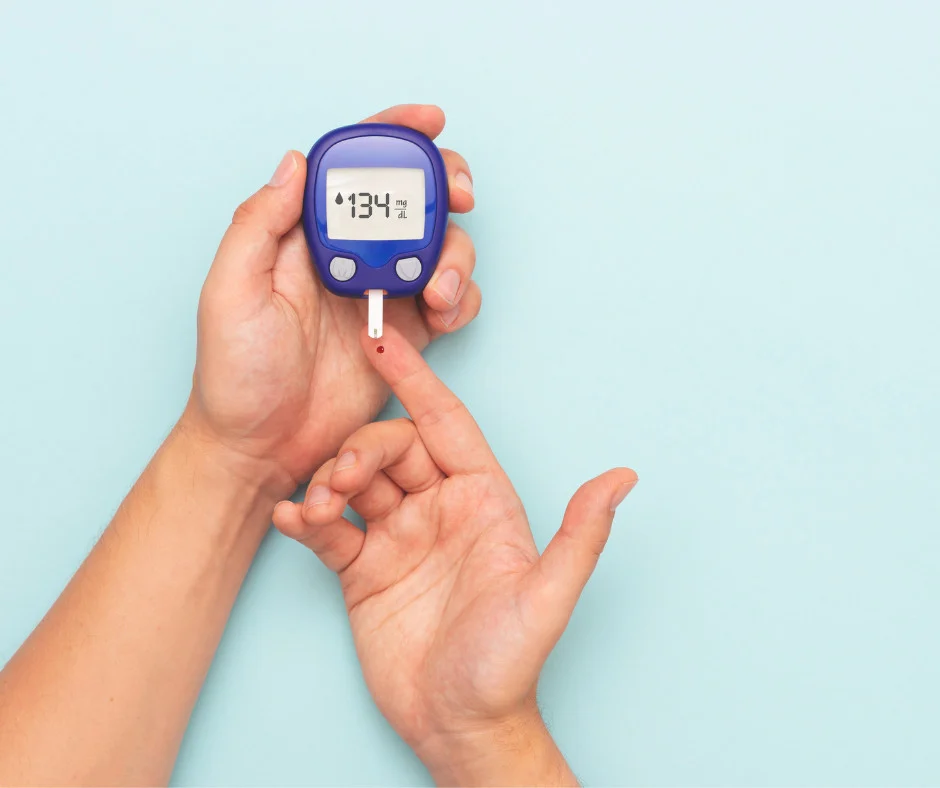
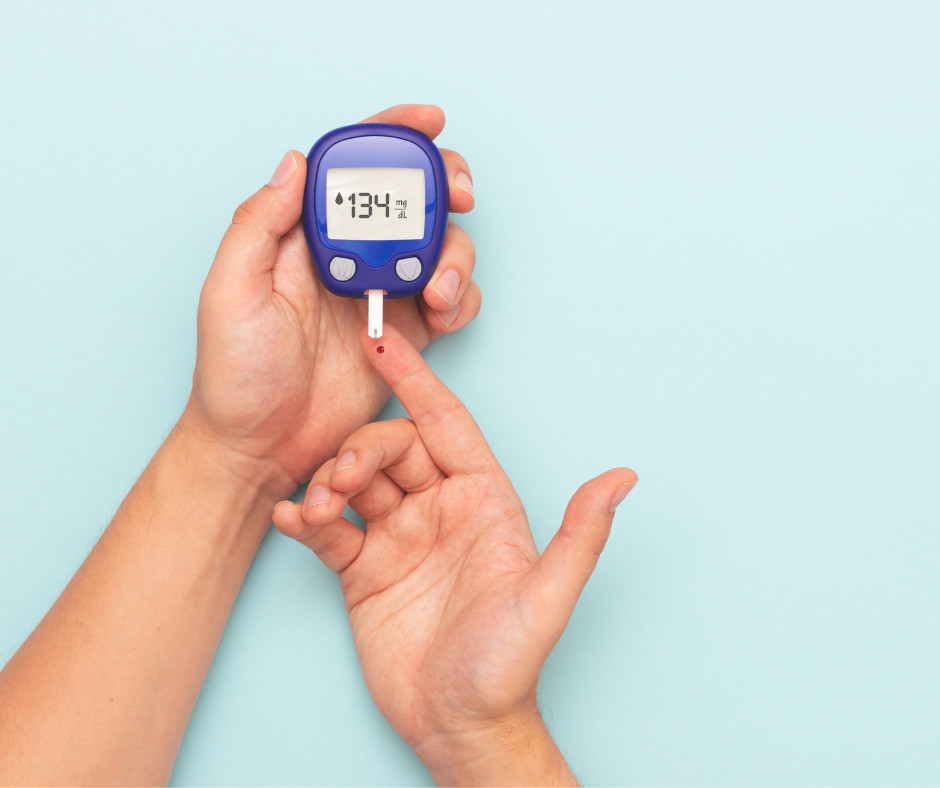
Traditional metabolic testing, such as fasting blood sugar or Hemoglobin A1C (which measures average blood sugar over three months), often fails to capture the dynamic "crashes" or "spikes" that trigger neurological symptoms. Dr. Bills and his team utilized more granular testing methods, including four-hour glucose tolerance tests and continuous glucose monitoring (CGM), to observe how the brain reacts to food intake in real-time. Their research identified three distinct metabolic clusters among migraine patients:
- Metabolically Stable: Patients whose glucose remains steady and whose migraines are likely driven by other factors, such as hormonal shifts or structural issues.
- High Glycemic Variability: Patients who experience significant "spikes" in blood sugar after eating, leading to oxidative stress and nerve inflammation.
- Reactive Hypoglycemia: Patients whose blood sugar drops precipitously after a meal. This "crash" can trigger cortical spreading depression—a wave of electrophysiological hyperactivity followed by depression in the brain—which is a known precursor to migraine aura and vestibular symptoms.
For patients in the latter two categories, the brain’s inability to maintain a steady energy supply results in "errant nerve firing." This manifests as the brain fog, dizziness, and sensory overload characteristic of VM.
Clinical Intervention: The Therapeutic Ketogenic Approach
The intervention proposed by Dr. Bills for metabolically sensitive patients involves a transition to a therapeutic ketogenic diet. This is not merely a weight-loss strategy but a metabolic tool designed to shift the brain’s primary fuel source from glucose to ketones. Ketones provide a more stable and efficient energy source, which can "quiet" a hyperexcitable nervous system.
When Rachel Weaver transitioned to this protocol under clinical supervision, the results were rapid and transformative. Within 48 hours, her cognitive clarity improved, and within a week, the constant dizziness that had defined her life for nearly two decades began to recede. While the transition included a temporary "keto flu" phase—a common period of electrolyte imbalance as the body adapts—the long-term outcome was a significant reduction in symptom frequency and intensity.
Data from recent studies in metabolic psychiatry and neurology support this approach. Stable fuel delivery reduces the "energy gap" in the brain, making it less susceptible to external triggers like weather changes or stress. For Weaver, this meant that instead of being dizzy 24 hours a day, she moved to a baseline of stability, with only occasional flares that were easily managed with over-the-counter anti-inflammatories.
Official Responses and Medical Implications
The findings presented by Dr. Bills and the personal account of Rachel Weaver have significant implications for the field of neurology. There is an increasing call for "Narrative Medicine," a practice Weaver studied at Columbia University, which emphasizes the importance of the patient’s story in forming a diagnosis. When doctors listen to the specific timing of symptoms in relation to meals, they can identify metabolic patterns that data alone might miss.
Medical organizations are beginning to recognize the necessity of this integrated approach. The shift toward "Metabolic Neurology" suggests that future treatment protocols for vestibular migraine may routinely include:
- Continuous Glucose Monitoring (CGM): To identify individual triggers and glycemic variability.
- Nutritional Counseling: Focused on blood sugar stabilization rather than just trigger elimination.
- Phenotype-Based Prescribing: Ensuring that metabolic patients receive metabolic interventions rather than just standard nerve-blockers or antidepressants.
Dr. Bills emphasizes that this is not a "one-size-fits-all" cure. For the cluster of patients whose migraines are not metabolically driven, a ketogenic diet may offer little benefit. However, for those with glycemic dysregulation, it represents a profound opportunity for recovery.
Broader Impact and Future Directions
The intersection of blood glucose and vestibular health opens a new chapter in the management of chronic neurological disorders. As research continues to validate the role of insulin sensitivity and brain energy metabolism in migraine biology, the medical community must adapt its diagnostic tools. The economic impact of migraine—estimated to cost the U.S. economy over $36 billion annually in lost productivity and medical expenses—further underscores the need for more effective, biological-based treatments.
For patients like Rachel Weaver, the shift in understanding has provided more than just physical relief; it has offered a reclamation of life. The ability to engage in daily activities, maintain professional deadlines, and participate in family life without the constant threat of vertigo is a milestone that pharmaceutical interventions alone often fail to reach.
The "ICU – I See You" podcast episode serves as a call to action for both patients and providers to investigate the metabolic underpinnings of dizziness. By bridging cutting-edge science with the nuances of lived experience, the medical field moves closer to a future where vestibular migraine is not a life sentence of instability, but a manageable condition rooted in the fundamental biology of how the brain is fueled. As more data emerges, the focus on blood sugar stability may well become a cornerstone of vestibular rehabilitation and migraine prevention worldwide.