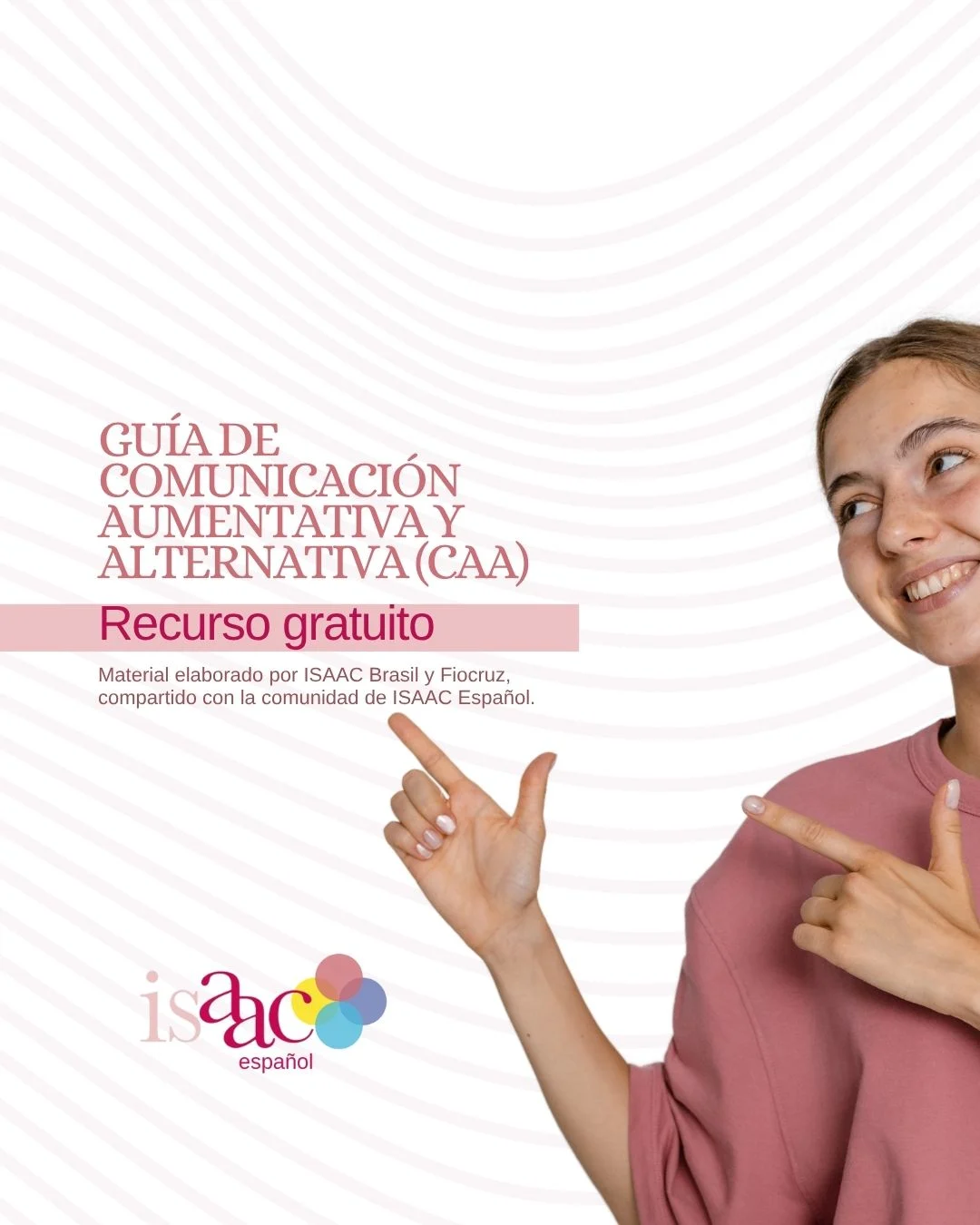
The initiative addresses a persistent gap in the availability of high-quality, culturally relevant, and linguistically accessible information regarding AAC. By adapting existing Portuguese-language materials into Spanish, the collaborative team has effectively expanded the reach of evidence-based practices to a demographic that often faces significant barriers to professional guidance and standardized support systems.
Background and Institutional Collaboration
The collaboration between ISAAC Brasil and Fiocruz represents a significant intersection of advocacy and public health research. Fiocruz, one of the most prominent public health research institutions in Latin America, has increasingly prioritized disability rights and social inclusion as part of its mission to advance healthcare equity. By aligning with ISAAC, an organization dedicated to improving the lives of children and adults who use AAC, the project ensures that the guide is not only scientifically rigorous but also deeply grounded in the lived experiences of the communication community.
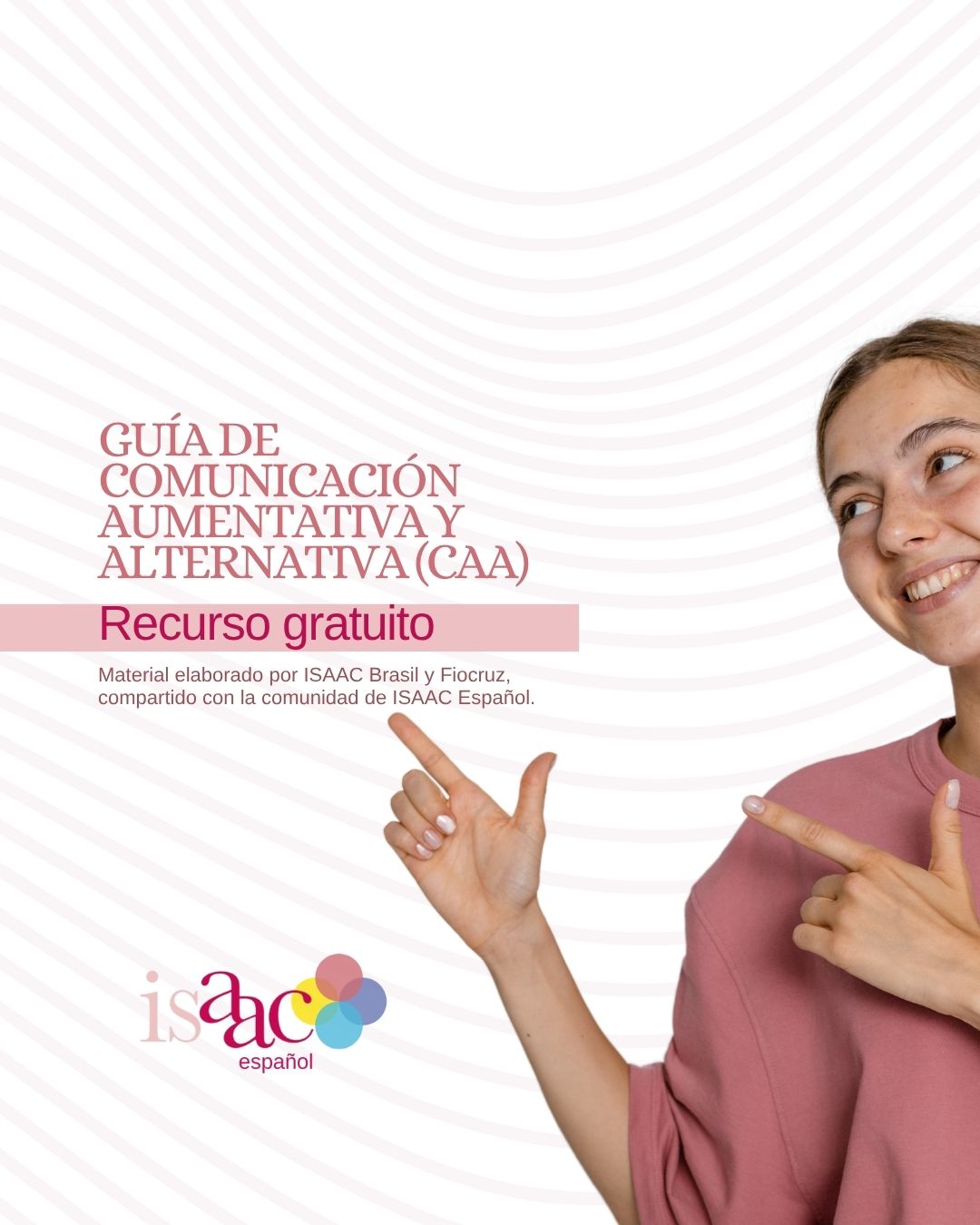
For decades, the field of AAC has struggled with the "digital and informational divide." While technological advancements have made high-tech speech-generating devices more accessible, the knowledge required to implement these systems effectively—often referred to as "clinical literacy"—remains concentrated in specialized academic centers. This guide seeks to decentralize that expertise, providing a foundational manual that empowers non-specialists to facilitate communication in home, school, and community settings.
Chronology of the Initiative
The development of the guide followed a structured, multi-phase timeline that prioritized accuracy and accessibility:
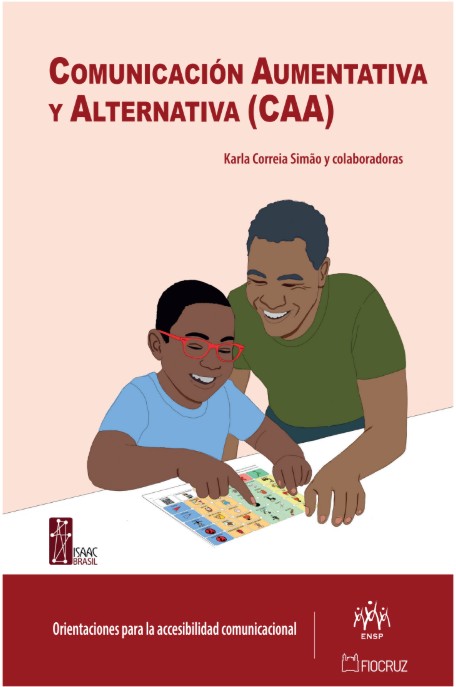
- Phase One (Foundational Development): Initial research and content creation were conducted in Portuguese, drawing on the clinical expertise of professionals within ISAAC Brasil and researchers at Fiocruz. This phase focused on identifying the most frequently asked questions by parents and caregivers.
- Phase Two (Peer Review and Validation): The draft underwent a rigorous review process involving multidisciplinary teams, including speech-language pathologists, occupational therapists, and, crucially, individuals who are active users of AAC.
- Phase Three (Translation and Cultural Adaptation): Following the successful launch of the Portuguese edition, the translation team initiated the process of converting the material into Spanish. This was not a direct word-for-word translation; the team took pains to ensure that terminology remained consistent with common clinical usage across diverse Spanish-speaking nations.
- Phase Four (Public Release): The official launch occurred in April 2026, synchronized with broader outreach efforts by ISAAC Spanish-language chapters to maximize international distribution via social media and digital portals.
Data and Accessibility Metrics
The demand for such resources is supported by global health statistics. According to the World Health Organization (WHO), over one billion people worldwide live with some form of disability, and a significant portion of this population experiences communication difficulties that could be mitigated by AAC interventions. However, access to these tools is highly uneven.
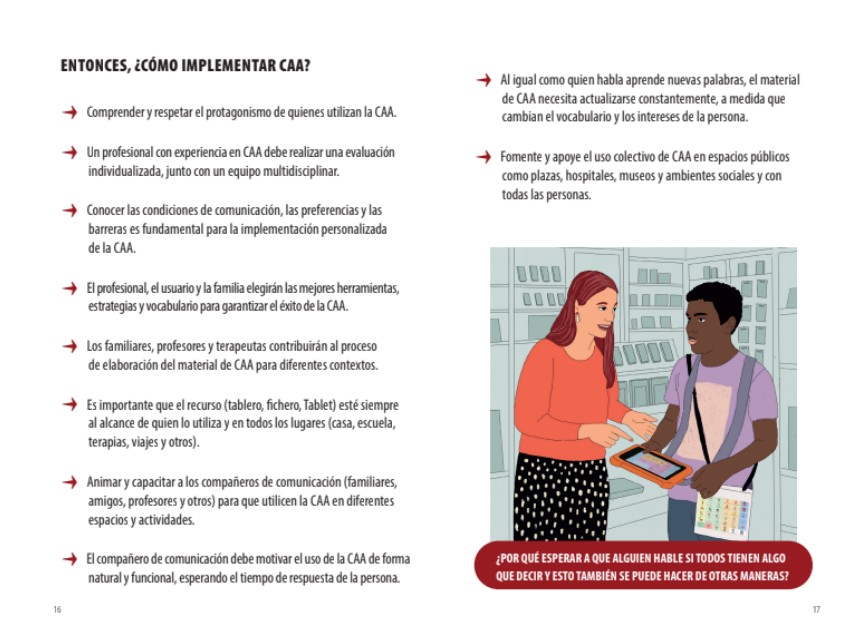
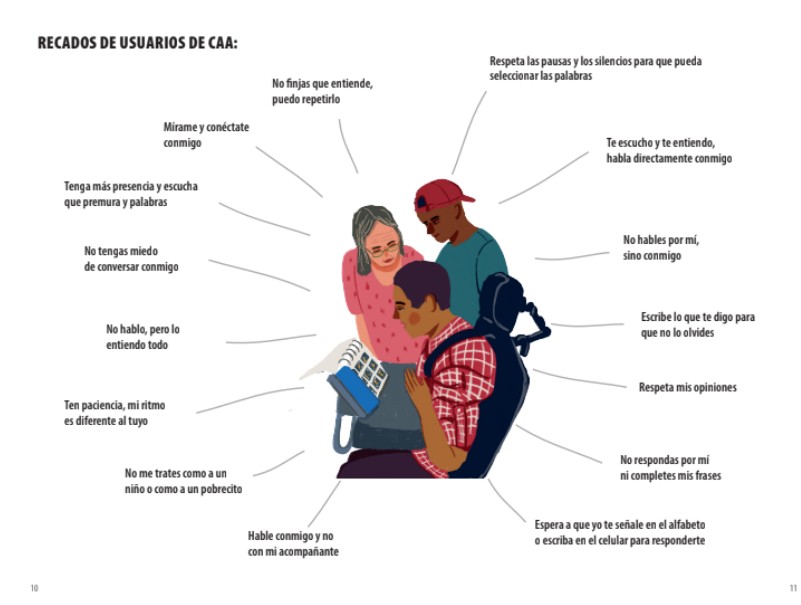
In many Spanish-speaking regions, the ratio of speech-language pathologists to the general population remains significantly lower than in North America or Western Europe. Consequently, the reliance on self-guided resources like the ISAAC-Fiocruz manual is a pragmatic necessity rather than a supplementary benefit. Early feedback indicates that the inclusion of illustrations featuring real AAC users has been instrumental in increasing user engagement and reducing the "technological anxiety" often associated with introducing new communication devices.

Official Perspectives and Pedagogical Goals
The guide focuses on three primary pillars of communication support: legal rights, conceptual frameworks, and practical implementation strategies. By framing AAC within the context of human rights, the document empowers families to advocate for necessary services within their local healthcare and educational systems.
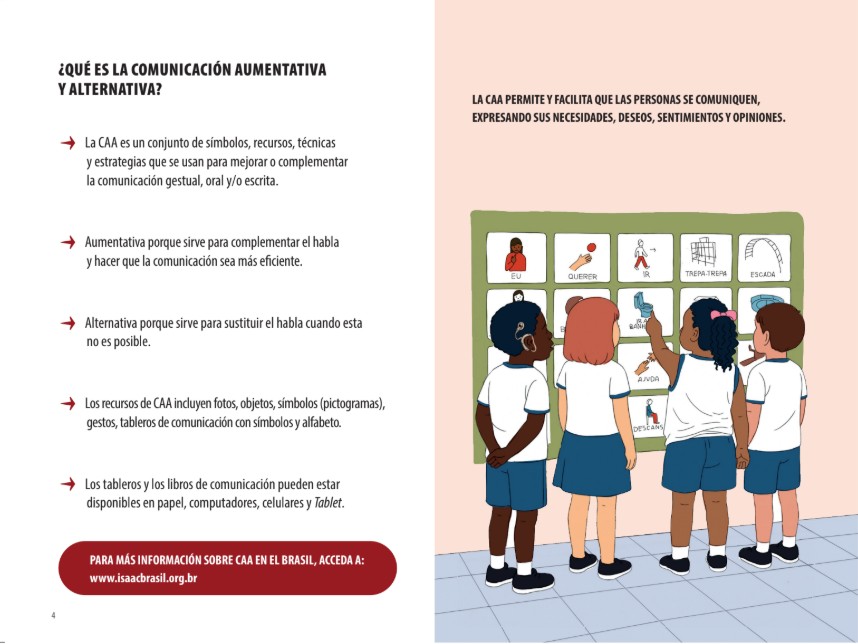
"The objective is to move beyond the technical aspects of devices and address the human element of interaction," noted representatives involved in the project’s dissemination. The guide emphasizes that AAC is not merely about the hardware or software utilized; it is about the establishment of a robust, inclusive communicative environment. By providing clear definitions of core concepts, the manual helps to demystify terms such as "aided language stimulation" and "multi-modal communication," making them digestible for parents without formal clinical training.
Fact-Based Analysis: Implications for the AAC Field
The release of this guide signifies a broader trend in the disability advocacy movement: the move toward open-source, community-led knowledge dissemination. By leveraging digital distribution, the authors have effectively bypassed the prohibitive costs often associated with printed clinical manuals, ensuring that the material reaches remote and underserved areas.
The implications of this project are twofold:
- Systemic Advocacy: By providing families with a standardized knowledge base, the guide creates a more informed public that can hold educational and medical institutions accountable for providing adequate communication support.
- Clinical Standardization: The guide helps align practices across different regions, promoting a consistent standard of care that relies on current, evidence-based methodologies rather than outdated or anecdotal techniques.
Broader Impact and Future Outlook
The success of this collaborative effort sets a precedent for future international partnerships. As digital accessibility becomes a primary metric for evaluating the quality of public health services, similar initiatives are expected to emerge. The focus remains on "user-centered design," where the lived experiences of AAC users dictate the content and presentation of educational materials.
As the guide continues to circulate through platforms like Instagram and Facebook, the impact is being monitored through download metrics and qualitative user feedback. Preliminary data suggest that the resource is being utilized not only by families but also by university students and entry-level practitioners who require accessible, introductory material to supplement their formal training.
How to Access the Resource
For those interested in reviewing or utilizing the guide, ISAAC Spanish has provided direct access through its official social media channels. The resource is available as a digital download, ensuring that it can be stored on tablets, smartphones, or computers for easy reference in various environments. By scanning the provided QR codes or visiting the official pages, users can obtain the full document, which includes comprehensive illustrations and step-by-step guides for initiating AAC implementation.
In summary, the publication of this guide is a milestone in the global effort to ensure that no individual is denied the right to communicate. By synthesizing expert research with practical, accessible language, ISAAC Brasil and Fiocruz have provided a framework that will undoubtedly serve as a cornerstone for AAC advocacy in the Spanish-speaking world for years to come. The success of this project serves as a reminder that when clinical expertise is combined with open-access technology, the barriers to inclusion are not only identifiable but entirely surmountable.