The Clinical and Psychological Landscape of Vestibular Disorders
Vestibular disorders, which affect the inner ear and brain’s ability to process sensory information, often result in debilitating symptoms such as vertigo, dizziness, and imbalance. According to data from the National Institute on Deafness and Other Communication Disorders (NIDCD), approximately 35% of U.S. adults aged 40 and older—roughly 69 million people—have experienced some form of vestibular dysfunction. These conditions are frequently "invisible," leading to significant psychological distress, social isolation, and a loss of professional identity.
The podcast highlights that for many patients, the medical journey is only one facet of the experience. The psychological burden of chronic dizziness often precipitates a crisis of identity. When physical stability is compromised, patients report a cascading effect on their mental health, often requiring a holistic approach to treatment that includes vestibular rehabilitation therapy (VRT), cognitive behavioral therapy (CBT), and, as emphasized in this episode, spiritual care.
Chronology of Diagnosis and Adaptation: Two Perspectives
The experiences of Lynn Johnson and Reverend Carol Rexroad Cannon offer a chronological look at the typical trajectory of chronic vestibular conditions, from the sudden onset of symptoms to the eventual integration of the "new normal."
The Trajectory of Autoimmune Inner Ear Disease (AIED)
Lynn Johnson’s journey began abruptly in 2015. Previously a high-achieving high school biology teacher, Johnson experienced a sudden onset of imbalance and intense tinnitus. Over several months, her symptoms worsened, leading to a diagnosis of AIED and Bilateral Vestibular Hypofunction. AIED is a rare condition where the body’s immune system attacks the inner ear, often resulting in progressive hearing loss and vestibular failure.
By the time a definitive diagnosis was reached, Johnson had suffered profound hearing loss and developed oscillopsia—a visual disturbance where objects appear to jump or jiggle. This forced her early retirement from teaching, a career she viewed as a divine calling. Her chronology shifted from a period of acute medical crisis and depression to a phase of spiritual "anchoring." She utilized her background in science and her faith to pivot into advocacy, eventually becoming a VeDA Ambassador and a leader for support groups specializing in vestibular-related hearing loss.
The Path of PPPD and Vestibular Neuritis
Reverend Carol Rexroad Cannon’s experience began in 2016 with a diagnosis of vestibular neuritis, an inflammation of the vestibular nerve. While the acute infection eventually subsided, it transitioned into Persistent Postural-Perceptual Dizziness (PPPD), a chronic functional disorder characterized by non-spinning vertigo and hypersensitivity to motion.
As a pastor with 40 years of experience, Cannon faced the immediate challenge of reconciling her professional obligations with her physical limitations. The sensory-rich environment of a church—multiple voices, music, and large gatherings—became overwhelming. Her timeline involved a gradual mastery of "pacing," where she learned to navigate the sensory demands of ministry by setting strict boundaries and prioritizing rest. Her recovery was aided significantly by Vestibular Rehab Therapy (VRT), which helped restore her functional balance.
The Role of Spiritual Disciplines in Patient Resilience
The podcast discussion identifies several specific spiritual practices that contribute to patient resilience. These are not presented as replacements for medical treatment but as complementary strategies for managing the emotional toll of chronic illness.
1. The Discipline of Rest and Pacing
Reverend Cannon emphasized the "spiritual discipline of rest," drawing on the theological concept of the Sabbath. In a clinical context, this aligns with "pacing," a strategy used in chronic illness management to prevent "boom and bust" cycles of activity. Cannon noted that acknowledging human limitations is both a physical necessity and a spiritual realization, allowing patients to let go of the guilt associated with decreased productivity.
2. Intentional Daily Reflection and Journaling
For Lynn Johnson, spiritual journaling became a tool for cognitive reframing. By documenting "God sightings" or moments of gratitude, she was able to shift her focus from what was lost—her hearing and career—to what remained. This practice is supported by psychological research suggesting that gratitude exercises can improve sleep, reduce stress, and enhance emotional regulation in chronic pain and illness populations.
3. Community and Presence
Both guests highlighted the importance of "presence over platitudes." In the professional realm of chaplaincy and pastoral care, this refers to the act of "sitting with" a person in their suffering without offering simplistic explanations or "fixes." For vestibular patients, who often feel misunderstood by the medical community and their peers, the validation of their lived experience is a critical component of healing.
Broader Implications for Holistic Healthcare and Integrative Medicine
The dialogue between Johnson and Cannon underscores a growing trend in integrative medicine: the recognition of spiritual wellness as a determinant of health. For patients with vestibular disorders, the "spinning" world creates a literal and figurative need for a "center."
Impact on Professional Identity
The loss of career is a recurring theme in vestibular patient history. The podcast highlights how spirituality can facilitate a "re-identity" process. Johnson’s transition from a biology teacher to a support group facilitator illustrates how the core values of a profession—such as a desire to educate and help others—can be transferred to a new context that accommodates physical limitations.
Educational and Advocacy Significance
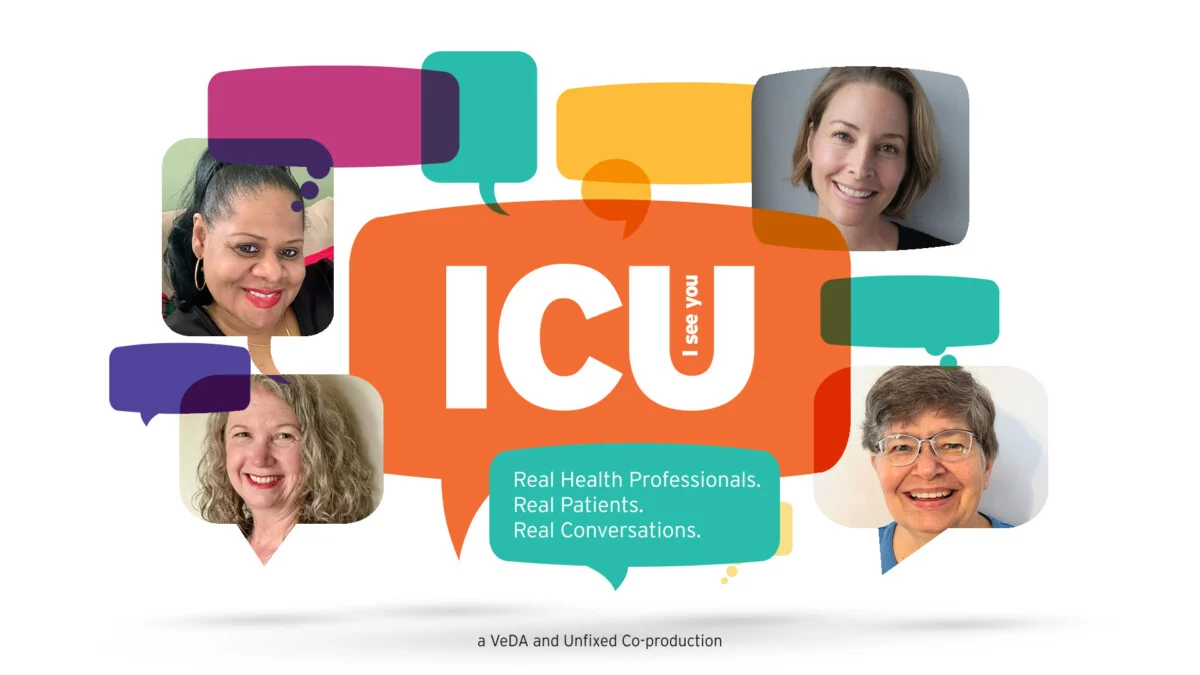
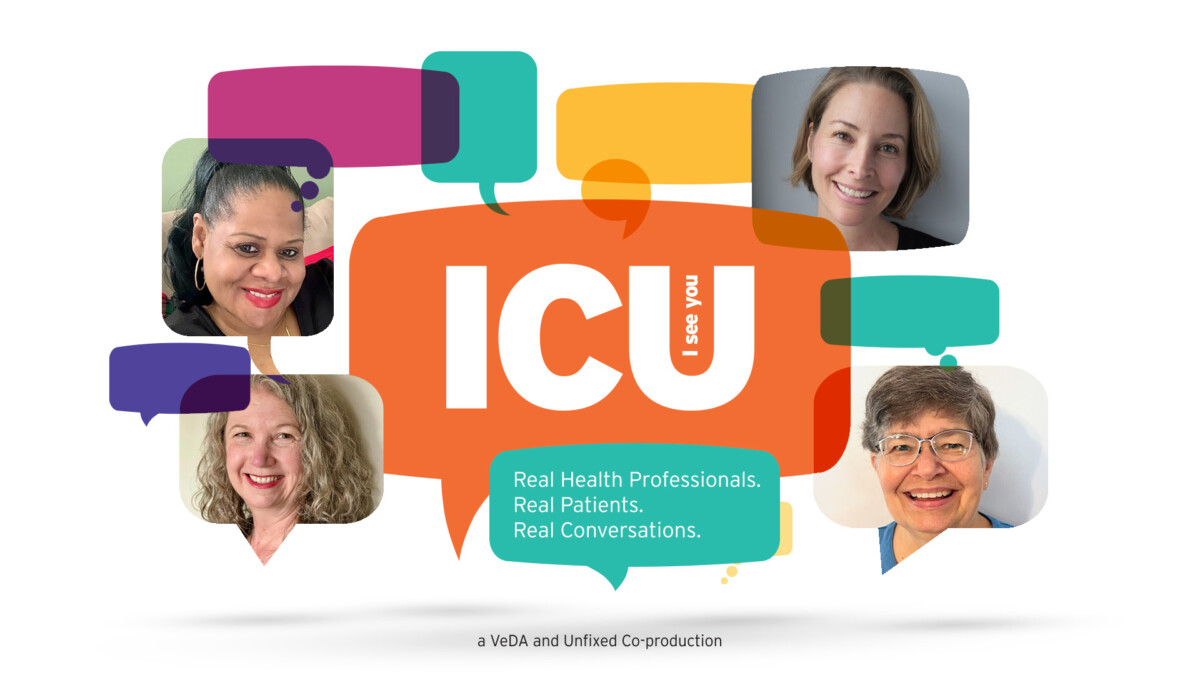
The ICU Podcast serves as an educational resource for both patients and healthcare providers. By bringing spirituality into the conversation, VeDA addresses a gap in traditional vestibular care. Medical professionals are increasingly encouraged to ask patients about their support systems, including their faith communities, as these factors are known to improve adherence to rehabilitation protocols and long-term outcomes.
Analysis of Spiritual Coping Mechanisms
A factual analysis of the guests’ experiences suggests that spiritual coping mechanisms function in three primary ways for the vestibular patient:
- Meaning-Making: Spirituality provides a framework to answer the "why" of suffering, helping patients move past the initial trauma of diagnosis.
- Social Support: Faith communities often provide the tangible support—rides to appointments, meals, and social check-ins—that is vital for those with limited mobility.
- Stress Reduction: Practices such as meditation, prayer, and rhythmic breathing (common in many spiritual traditions) have been shown to lower cortisol levels and reduce the autonomic nervous system’s "fight or flight" response, which is often overactive in patients with PPPD and anxiety-related dizziness.
Conclusion and Future Outlook
The "Spirituality & Chronic Illness" episode of the ICU Podcast marks an important step in broadening the discourse surrounding vestibular disorders. By documenting the journeys of Lynn Johnson and Reverend Carol Rexroad Cannon, the program illustrates that while medical interventions are necessary to treat the physical symptoms of imbalance, spiritual and emotional strategies are often what allow a patient to truly "live fully" again.
As research into the biopsychosocial model of health continues to evolve, the integration of spiritual care into the standard treatment of chronic vestibular conditions is likely to become more prevalent. For the millions of individuals navigating the uncertainty of chronic dizziness, the intersection of faith and medicine offers a pathway toward not just recovery, but a renewed sense of purpose.
The Vestibular Disorders Association continues to provide these platforms to ensure that patients feel "seen" (the "I See You" mission), bridging the gap between clinical diagnosis and the human experience of illness. The podcast is available on major platforms, including Apple Podcasts and Spotify, and serves as a testament to the resilience of the human spirit in the face of profound physical challenges.