The Context of Communication Rights
The collaborative project between ISAAC Brazil and Fiocruz was conceived to address this systemic deficit. By producing a guide that translates complex AAC (Augmentative and Alternative Communication) principles into accessible, everyday language, the partners are aiming to standardize best practices for caregivers, educators, and speech-language pathologists working across Latin America and Spain.
Chronology of the Project Development
The development of this guide followed a structured, multi-phase approach that prioritized cross-disciplinary collaboration:
- Early 2024: The initial collaboration between ISAAC Brazil and the Fiocruz health network was established to identify the most common hurdles faced by families in early-intervention settings.
- Late 2024 to Mid-2025: Expert committees synthesized research on evidence-based AAC practices. During this period, the guide was drafted in Portuguese, ensuring clinical accuracy while maintaining a user-friendly tone.
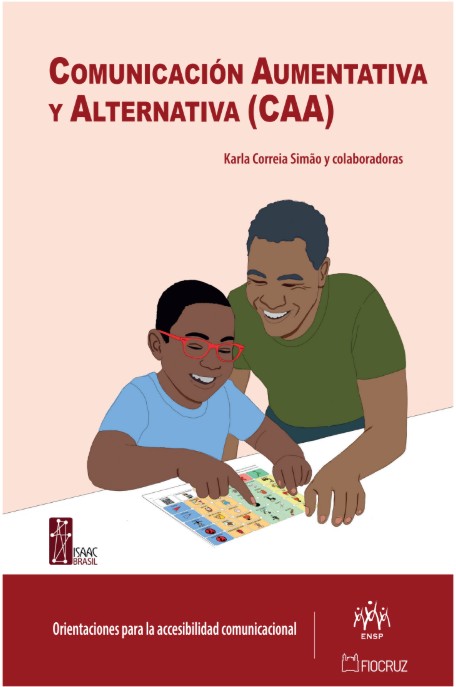
- Late 2025: The pilot version underwent testing with focus groups, including parents of AAC users and frontline therapists. Feedback gathered during this phase led to the inclusion of authentic illustrations, featuring real-life AAC users to foster inclusivity and representation.
- Early 2026: The translation phase began, specifically targeting the Spanish-speaking market to broaden the reach of the resource.
- April 2026: The official launch of the Spanish version was coordinated across ISAAC’s regional platforms, aligning with global advocacy efforts to promote communication awareness.
Data-Driven Need for AAC Resources
The demand for such resources is supported by significant demographic data. Research published in the Journal of Speech, Language, and Hearing Research indicates that approximately 1.3% of the global population has a complex communication need that requires AAC. However, in many developing regions, the ratio of trained specialists to individuals requiring support remains critically low, sometimes exceeding 1:5,000.
Furthermore, longitudinal studies suggest that the early introduction of AAC systems—whether high-tech speech-generating devices or low-tech communication boards—correlates with higher rates of academic engagement and social integration. The ISAAC-Fiocruz guide serves as a critical entry point, providing the foundational knowledge required for families to initiate these systems without waiting for the lengthy, and often costly, diagnostic processes that can delay intervention by months or years.
Institutional Collaboration: The ISAAC and Fiocruz Partnership
The partnership between ISAAC Brazil and Fiocruz represents a strategic union of global advocacy and public health infrastructure. ISAAC, as the primary global organization for AAC, provides the necessary professional framework and standards for practice. Conversely, Fiocruz, one of the world’s most prominent public health research institutions, brings institutional legitimacy and an extensive distribution network within the public healthcare sector.
Statements from stakeholders involved in the project emphasize that the guide is not merely a manual but an instrument of empowerment. By demystifying the technology, the authors aim to alleviate the "clinical intimidation" often felt by parents who are new to the world of assistive technology. The inclusion of real-user imagery is a deliberate editorial choice to normalize the presence of AAC in public spaces and home environments.

Implications for the AAC Community
The release of this guide has several immediate and long-term implications for the international AAC community:
- Standardization of Terminology: By providing a unified Spanish-language resource, the guide helps standardize the terminology used by therapists and educators across different countries, facilitating better knowledge exchange and professional collaboration.
- Reduction of Economic Barriers: By making the guide entirely free, the initiative bypasses the paywalls that often restrict access to high-quality therapeutic resources. This is particularly vital for low-income households who may otherwise rely on outdated or incomplete information found on the internet.
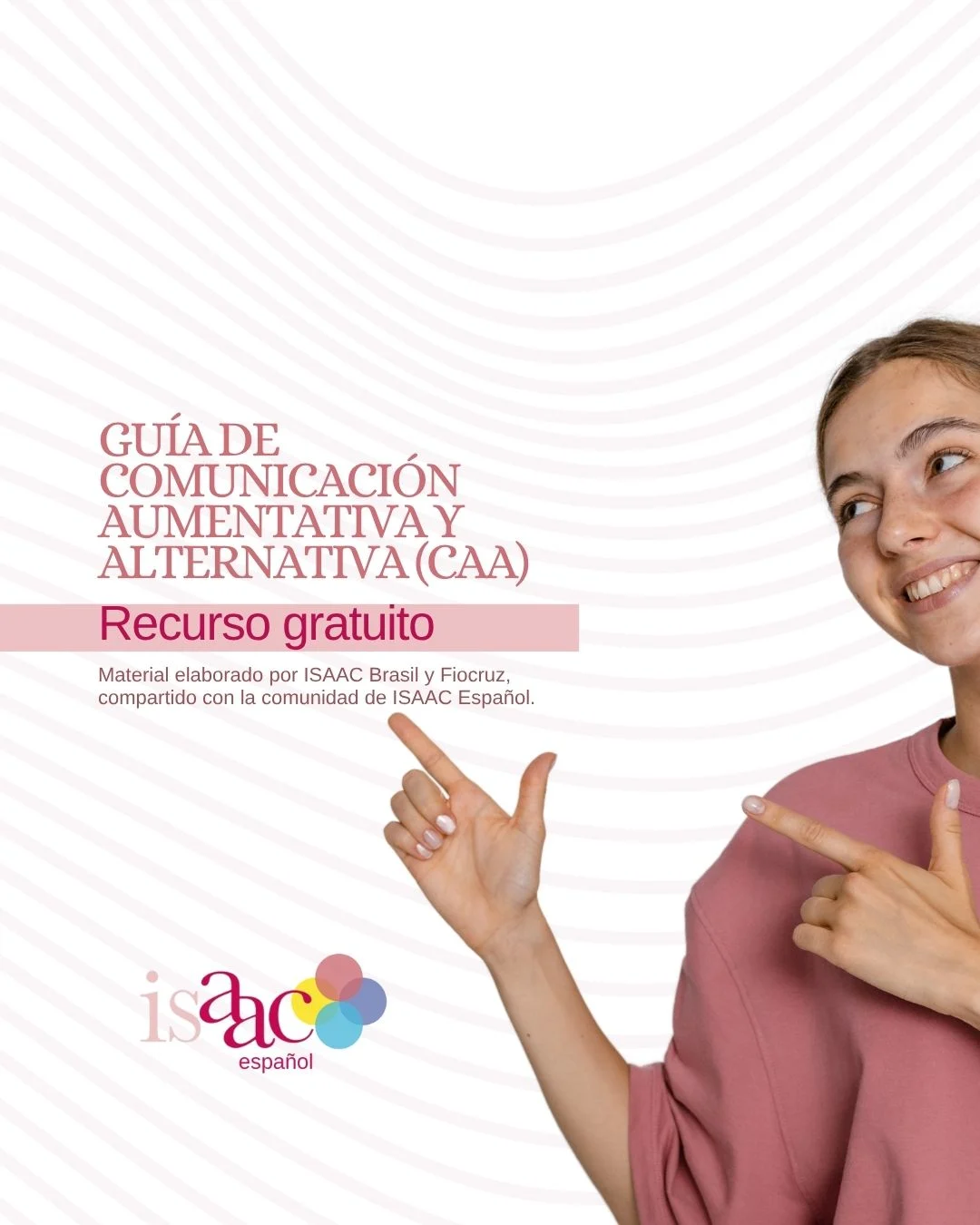
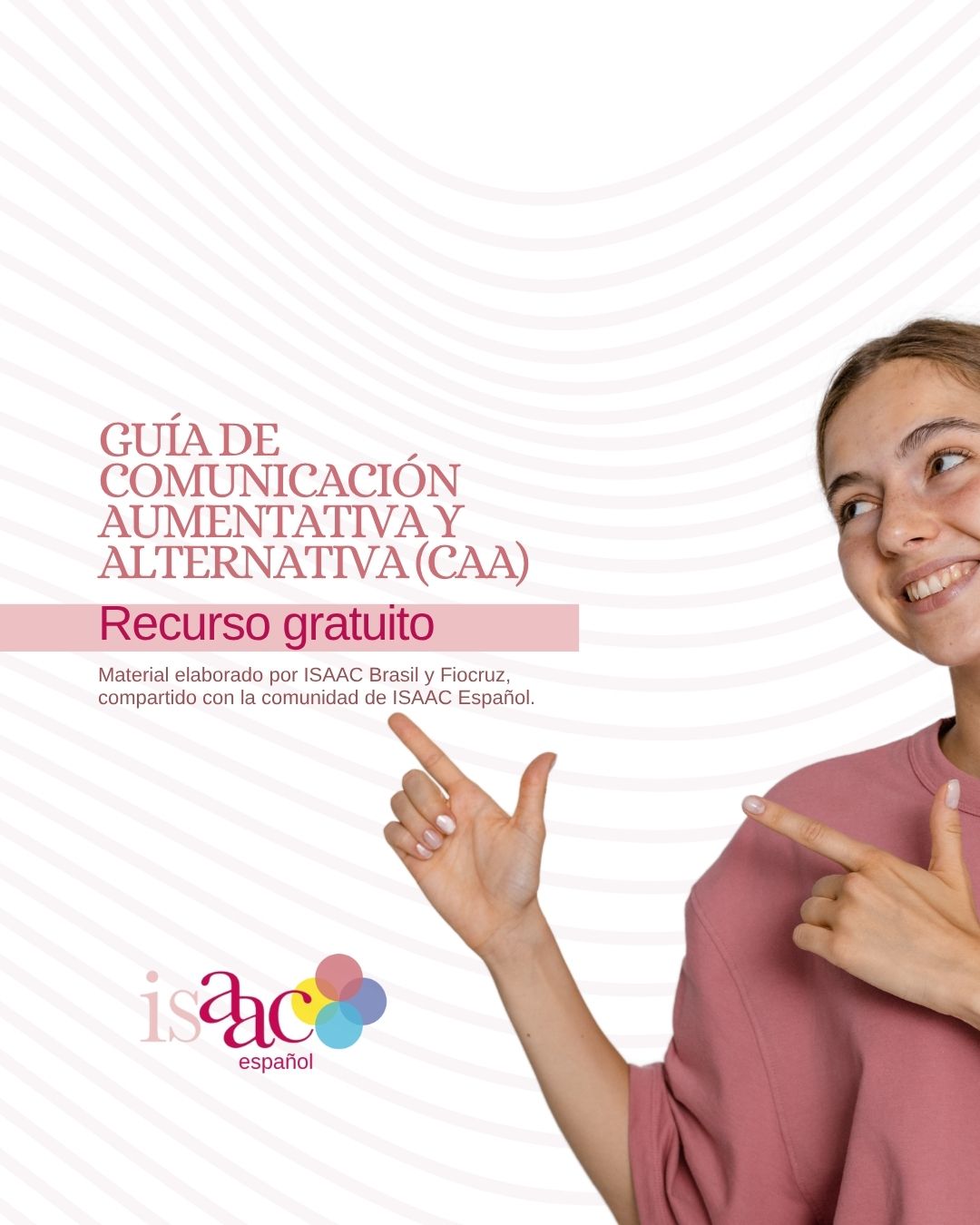
- Increased Public Awareness: The distribution strategy—leveraging social media platforms like Instagram and Facebook—is designed to reach beyond clinical offices and into the homes of families who may not yet be connected to professional support networks.
- Foundation for Further Advocacy: The success of this collaboration provides a roadmap for future projects in other languages, such as French or indigenous dialects, which remain severely underserved in the field of assistive technology.
Technical Structure of the Guide
The content of the guide is organized to be modular, allowing users to reference specific sections based on their current needs. It covers:
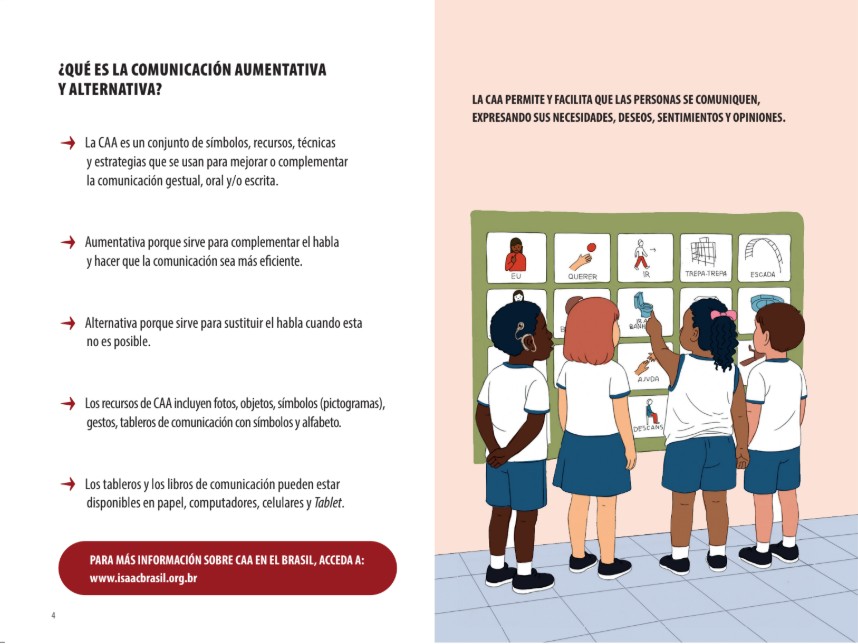
- Rights-Based Advocacy: Explaining the legal standing of individuals with communication needs to receive services.
- Implementation Frameworks: Moving beyond the "device" to the "strategy," the guide offers practical tips on how to model language in daily routines—a core component of successful AAC implementation known as Aided Language Stimulation.
- Myth-Busting: Addressing common misconceptions, such as the idea that AAC hinders speech development, with updated research confirming that AAC actually supports language acquisition.
Conclusion and Future Outlook
The launch of the Spanish-language AAC guide by ISAAC and Fiocruz is a proactive response to the global call for greater accessibility in the medical and educational spheres. As technology continues to evolve, the challenge lies not only in the development of hardware but in the dissemination of the knowledge required to utilize it effectively.
Looking ahead, industry experts anticipate that this guide will become a standard reference for early intervention programs across Latin America. The success of this initiative underscores the importance of the "Open Access" philosophy in health sciences, where the free flow of information is treated as a core pillar of care. By providing families and professionals with a shared language and a clear path toward implementation, ISAAC and Fiocruz have established a sustainable model for future global health equity initiatives. Those interested in accessing the material can do so via the official channels maintained by ISAAC Spanish-language divisions, where they can find digital download links and supporting instructional videos.