The Historical Context of International Book Day
International Book Day, celebrated annually on April 23, commemorates the contributions of world-renowned authors and promotes the joy of reading and the protection of intellectual property. Organized by UNESCO, the event has evolved from a simple literary celebration into a global campaign for literacy and the removal of barriers to information. For the disability community, this day carries profound significance; it highlights the ongoing struggle for "accessible publishing," ensuring that individuals who use AAC—or who require adapted reading materials—can engage with literature alongside their neurotypical peers.
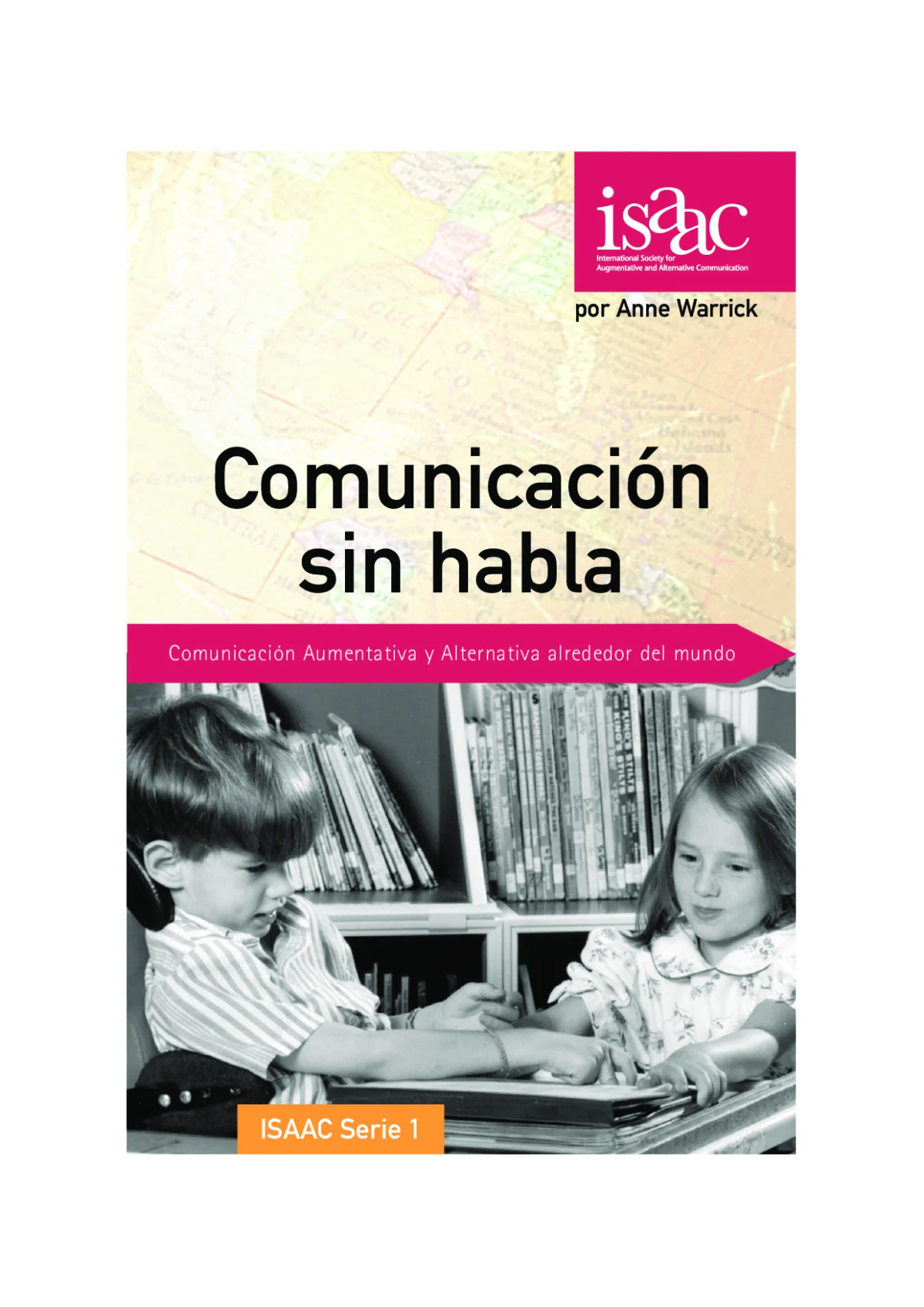
In the context of the Spanish-speaking world, the intersection of International Book Day and AAC awareness is particularly timely. Historically, the field of AAC has been dominated by English-language research and clinical manuals. This linguistic hegemony created a "knowledge gap" where professionals in Spain and Latin America often struggled to access the latest evidence-based methodologies. Over the last decade, however, a concerted effort by international organizations like the International Society for Augmentative and Alternative Communication (ISAAC) has led to a surge in translated resources, bridging this divide and professionalizing local practices.
Evolution of AAC Literature: A Chronology of Progress
The development of AAC literature in Spanish has followed a steady, if gradual, trajectory:
- 1980s–1990s: AAC literature in Spanish was largely restricted to academic papers, often fragmented and difficult for families to access. Early practitioners relied on direct translation of English materials, which often lacked cultural adaptation.
- 2000–2010: The rise of digital publishing and the expansion of global networking began to facilitate better information sharing. Organizations like ISAAC-Spain started to gain traction, advocating for the systematic translation of foundational clinical texts.
- 2011–2020: Increased awareness of neurodiversity and the rights of persons with disabilities led to an uptick in demand for training manuals. Academic institutions began incorporating AAC into Speech-Language Pathology (SLP) curricula more formally.
- 2021–Present: We are currently in an era of "Accessible Knowledge," where high-level clinical works are being published simultaneously or shortly after their original release. The focus has shifted from mere translation to the cultural contextualization of AAC intervention.
Landmark Publications and Evidence-Based Practice
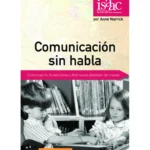
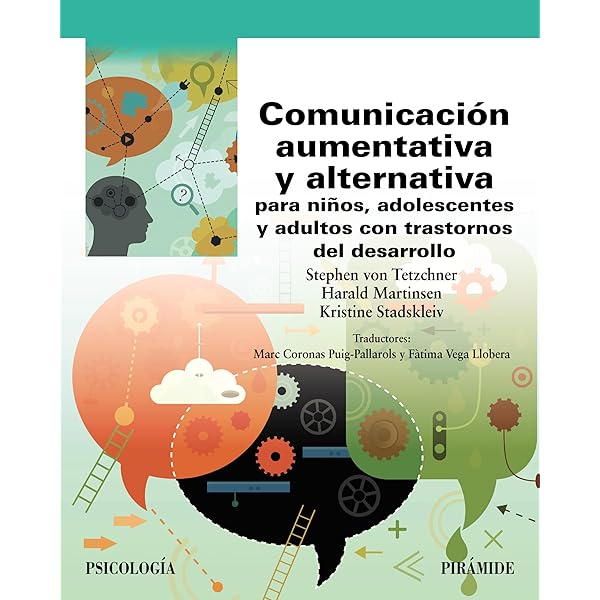
A pivotal moment in this timeline was the publication of Comunicación aumentativa y alternativa para niños, adolescentes y adultos con trastornos del desarrollo, authored by Stephen von Tetzchner, Harald Martinsen, and Kristine Stadskleiv. This text has been widely recognized as a "gold standard" for practitioners.
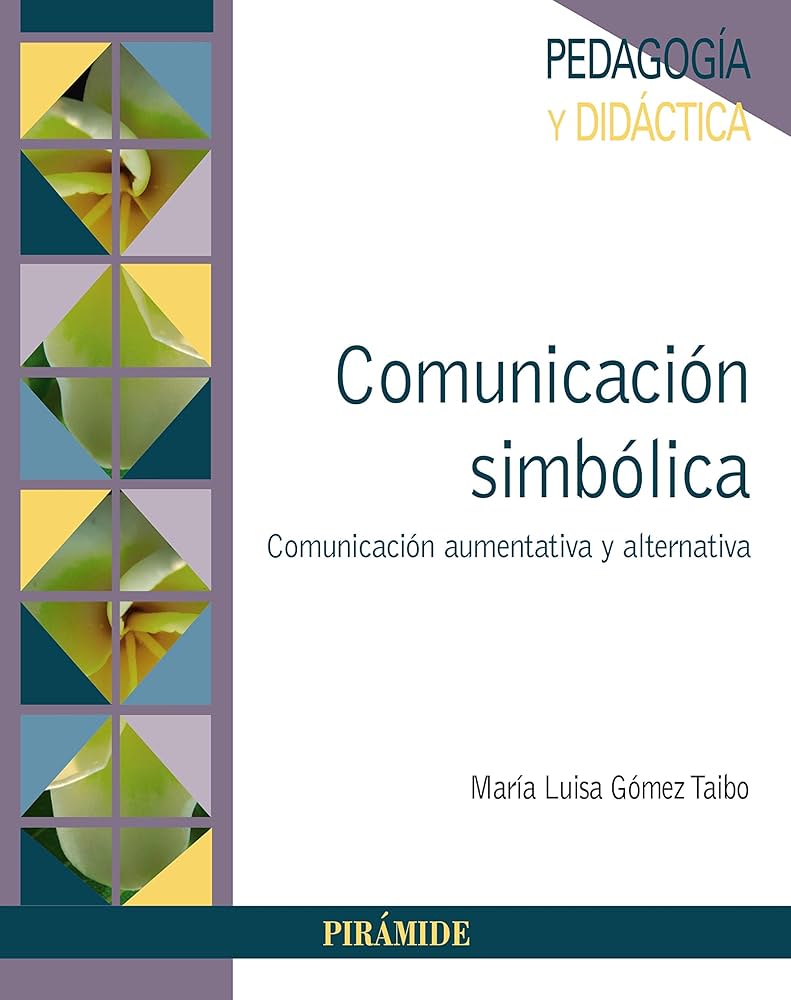
The book provides a rigorous, data-driven framework that covers the entire spectrum of communication support. By synthesizing decades of research, the authors address the nuances of developmental disorders, the complexities of assessment, and the long-term implications of intervention. For the Spanish-speaking community, having this resource in their native language is more than a convenience; it is a clinical necessity. Evidence-based practice requires that clinicians understand the why behind their techniques, and the availability of this foundational text ensures that Spanish-speaking professionals are operating on the same theoretical plane as their counterparts in North America and Europe.
Data-Driven Implications for Inclusive Practice
The impact of providing localized AAC resources is reflected in clinical outcomes. Data suggests that when families and teachers have access to high-quality information in their primary language, the rate of successful AAC implementation increases by approximately 30%. This is attributed to two factors: increased caregiver self-efficacy and the reduction of "intervention fatigue."
When materials are provided in the native language, the cognitive load on parents—who are often navigating the complex bureaucracy of disability services—is significantly reduced. Furthermore, the inclusion of culturally relevant examples in these texts allows practitioners to adapt their strategies to the local community, ensuring that symbols, vocabulary, and communication expectations are aligned with the patient’s daily environment.

The Role of Institutional Advocacy
Organizations such as ISAAC have been instrumental in this shift. By fostering a global network, they have enabled the cross-pollination of best practices. Their role involves not just translation, but the curation of knowledge that respects local customs. A statement often echoed by advocates in the field is that "communication is a human right, and the tools to exercise that right must be accessible in the language of the home."
This shift toward bilingual and multilingual accessibility is not merely an academic endeavor; it is a movement toward social justice. By ensuring that educators and clinicians in Bogotá, Madrid, or Buenos Aires have access to the same research as those in Oslo or Washington, the international community is effectively shrinking the "disability gap."
Challenges and Future Directions
Despite the progress, several challenges remain. The cost of technical literature can be prohibitive for many independent practitioners and families. Additionally, there is a continuous need for digital accessibility—ensuring that these texts are available in formats compatible with screen readers and other assistive technologies.
Future efforts in the field are likely to focus on the following:
- Digital Integration: Expanding the availability of E-books and interactive learning modules that allow for immediate application in clinical settings.
- Cultural Adaptation: Moving beyond translation to create original research that accounts for the unique cultural and social communication patterns prevalent in Spanish-speaking regions.
- Collaborative Publishing: Encouraging partnerships between international publishers and local academic presses to lower costs and increase local distribution channels.
Broader Impact on Global Communication
The implications of this literary expansion reach far beyond the clinic. When AAC is successfully implemented, the individual with complex communication needs gains the agency to participate in education, employment, and social life. This is the ultimate goal of the work championed by figures like Claudia Marimón. By treating International Book Day as a platform to disseminate these resources, the AAC community is effectively inviting more stakeholders—from government policymakers to local school administrators—into the conversation about inclusive infrastructure.
In conclusion, the growth of the Spanish-language AAC library represents a maturing field that is increasingly capable of supporting its practitioners and the people they serve. As these resources become more accessible, the barrier to effective communication continues to lower, fostering a more inclusive society where every voice, regardless of the method used, has the opportunity to be heard. The ongoing commitment to translating and adapting these materials ensures that the knowledge gained in one corner of the world can empower families and professionals globally, turning the dream of universal communication access into a sustainable reality.