
The journey of parenthood is often accompanied by a spectrum of milestones, each celebrated with joy and anticipation. However, for some families, the early development of their child may present unique challenges, particularly concerning hearing. Infant hearing loss, a condition where a baby experiences a reduced ability or complete inability to perceive sounds, can profoundly impact a child’s development, especially in the crucial areas of speech and language acquisition. This article aims to equip parents and caregivers with essential knowledge about the early signs, common causes, diagnostic processes, and available treatment options for infant hearing loss, offering a clear path forward for proactive care and support.
What Constitutes Infant Hearing Loss?
Infant hearing loss refers to a baby’s diminished or absent capacity to hear sounds. This condition can manifest in one ear (unilateral) or both ears (bilateral), and its nature can be either temporary or permanent. The intricate relationship between hearing and the development of speech and language skills underscores the critical importance of early identification. Prompt detection of hearing issues is paramount to ensuring children can communicate effectively and acquire knowledge without undue barriers.
Temporary vs. Permanent Hearing Loss in Infants
Understanding the distinction between temporary and permanent hearing loss is fundamental for appropriate management:

- Temporary Hearing Loss: This form of hearing impairment is often reversible and typically arises from conditions such as fluid accumulation in the middle ear, recurrent ear infections, or obstructions within the ear canal. Treatment usually involves medical intervention, and hearing often returns to normal once the underlying cause is resolved.
- Permanent Hearing Loss: This type of hearing loss is characterized by irreversible damage to the inner ear structures or the auditory nerve. It necessitates long-term support and management strategies to facilitate communication and development.
A definitive diagnosis by a qualified specialist is the sole method for accurately determining the type and extent of hearing loss.
Recognizing the Subtle Signs of Hearing Impairment in Infants and Toddlers
The ability to detect the early indicators of hearing loss in infants is crucial for timely intervention. These signs are often intertwined with developmental milestones and can vary significantly depending on the child’s age. Parents are encouraged to trust their parental instincts; if something feels amiss regarding their child’s hearing, it warrants further investigation.
Signs of Hearing Loss by Age Group:
-
Birth to 3 Months:
- Lack of startling in response to loud noises.
- Failure to turn their head toward familiar voices or sounds.
- Absence of cooing or babbling sounds.
- No reaction to sounds when their eyes are closed.
-
3 to 6 Months:

- Not attempting to imitate sounds.
- Not responding when their name is called.
- A noticeable lack of interest in toys that make noise.
- Inconsistent or absent vocalizations.
-
6 to 12 Months (and Toddlers):
- Not responding to their name consistently.
- Limited or no understanding of simple spoken words.
- Delayed or absent babbling.
- Difficulty imitating speech sounds.
- Appearing inattentive or easily distracted by sounds.
- Reliance on visual cues rather than auditory ones.
These signs may also become apparent later in toddlerhood, particularly if the hearing loss develops gradually over time.
Underlying Causes of Hearing Loss in Babies
The origins of hearing loss in infants are diverse, with congenital factors playing a significant role. These can include genetic predispositions, maternal infections during pregnancy, or complications arising during childbirth. Generally, infant hearing loss can stem from one or a combination of the following factors:
- Genetic Factors: A substantial portion of infant hearing loss is inherited. This can occur even in families with no prior history of hearing impairments, as genetic mutations can arise spontaneously.
- Prenatal Infections: Certain infections contracted by the mother during pregnancy, such as congenital cytomegalovirus (CMV), rubella, herpes, or toxoplasmosis, can adversely affect the developing inner ear or auditory nerve, potentially leading to permanent or progressive hearing loss.
- Prematurity and Low Birth Weight: Infants born prematurely or with very low birth weights are at an elevated risk for hearing loss, especially if they require extensive medical intervention in the neonatal intensive care unit (NICU).
- NICU Stay and Medical Complications: Babies who spend time in the NICU may experience hearing loss due to complications like oxygen deprivation, severe infections, or the administration of certain medications that can impact hearing.
- Jaundice and Perinatal Issues: Severe jaundice or reduced oxygen levels during labor and delivery can sometimes damage the auditory system.
- Structural Abnormalities: Some infants are born with malformations of the outer, middle, or inner ear, which can impede the transmission of sound to the brain.
- Ototoxic Medications: Exposure to medications known to harm hearing, either taken by the mother during pregnancy or administered to the infant after birth, can affect auditory function.
- Middle Ear Infections and Fluid: Persistent fluid in the middle ear or recurrent ear infections can lead to temporary hearing difficulties, particularly in very young children.
In some instances, the precise cause of infant hearing loss may remain unidentified. Regardless of the etiology, early diagnosis and comprehensive support are indispensable for fostering the development of speech, language, and communication abilities.
Newborn Hearing Screening and Diagnostic Procedures
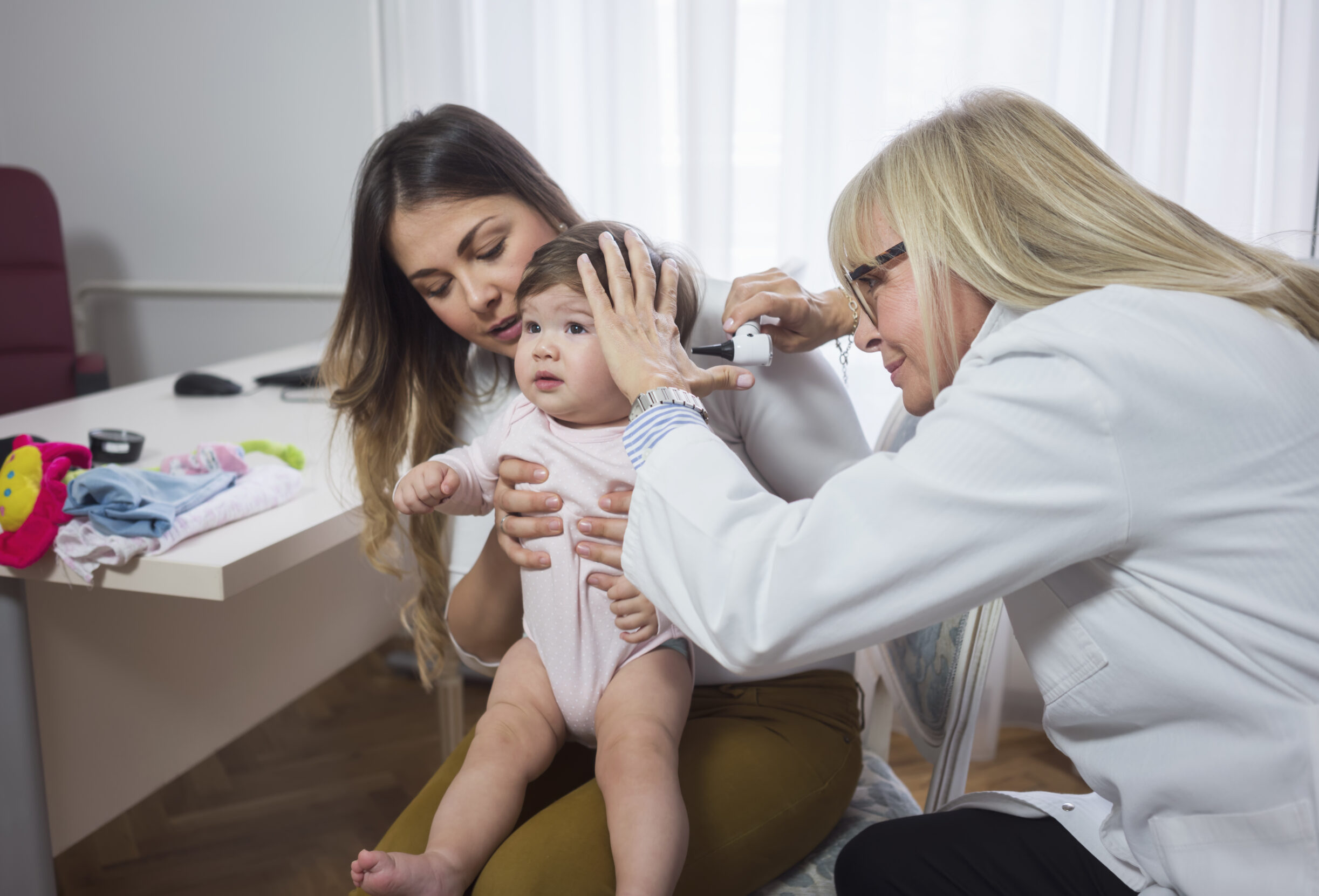
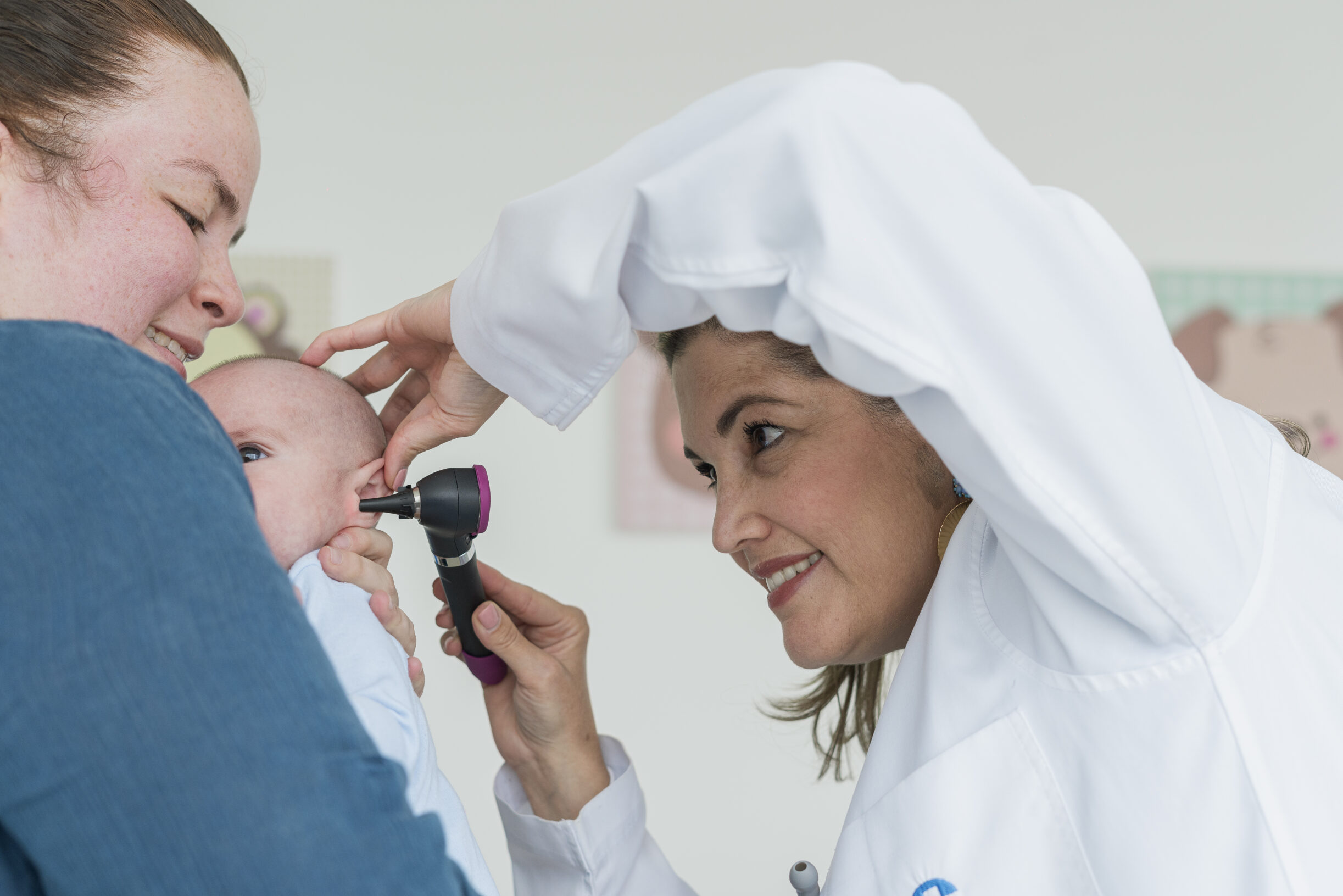
The cornerstone of early detection for infant hearing loss is the newborn hearing screening, a routine procedure administered shortly after birth, typically before hospital discharge or within the first month of life. This non-invasive and painless screening serves as a vital first step in identifying potential hearing concerns.

Two common screening tests are employed:
- Auditory Brainstem Response (ABR): This test measures the ear’s response to sound and the brain’s reaction to these signals. Small sensors are placed on the baby’s head, and soft earpieces deliver sounds.
- Otoacoustic Emissions (OAE): This test checks the inner ear’s response to sound. A tiny probe is placed in the ear canal, emitting soft clicks and measuring the "echoes" (emissions) produced by the inner ear.
Interpreting Screening Results:
The results of these screenings are typically categorized as:
- Pass: Indicates that the baby’s hearing appears to be within the normal range at the time of the test.
- Refer: Suggests that the baby did not pass the screening and requires further, more detailed audiological evaluation. This does not definitively confirm hearing loss but signals a need for prompt follow-up.
The Nuance of Hearing Screening: Can a Baby Pass and Still Develop Hearing Loss?
It is indeed possible for a baby to pass their newborn hearing screening and subsequently develop hearing loss. This phenomenon is known as delayed-onset or progressive hearing loss. A successful screening confirms the absence of hearing concerns at that specific moment but does not preclude future changes in auditory function during infancy or childhood.
Therefore, ongoing vigilance is essential. Parents should:
- Monitor developmental milestones: Continuously observe their child’s hearing, speech, and language development against established benchmarks.
- Seek professional advice: Consult with pediatricians or audiologists if any concerns arise regarding their child’s hearing or communication progress.
- Attend follow-up appointments: Ensure all recommended audiological check-ups are completed, especially if there are risk factors present.
Navigating a Failed Hearing Test: The Critical 1-3-6 Rule
If a baby does not pass a hearing screening, it is crucial to remember that this does not automatically equate to permanent hearing loss. Many infants may not pass the initial screening due to temporary factors, such as residual amniotic fluid in the ear canal or movement during the test. However, prompt follow-up testing is imperative. Early intervention is key to ensuring timely diagnosis and appropriate support if hearing loss is confirmed.
The 1-3-6 Rule provides a vital timeline for action:
- By 1 Month: Infants who do not pass their initial screening should undergo a comprehensive diagnostic hearing evaluation by 1 month of age.
- By 3 Months: If hearing loss is identified, a treatment plan should be initiated by 3 months of age.
- By 6 Months: If hearing aids or cochlear implants are deemed necessary, they should ideally be fitted and the child should be receiving intervention services by 6 months of age.
Adhering to this timeline maximizes the chances for infants with hearing loss to receive essential support during a critical period for speech and language development.
Understanding Unilateral Hearing Loss
Infant hearing loss in one ear, also referred to as unilateral hearing loss, signifies that a baby can hear adequately in one ear but experiences impairment in the other. While one functional ear might seem sufficient, this condition can still have significant implications, affecting:
- Sound Localization: The ability to determine the direction from which a sound originates.
- Speech Understanding in Noisy Environments: Difficulty distinguishing speech from background noise.
- Auditory Processing: The brain’s capacity to interpret and process auditory information.
- Academic Performance: Potential challenges in learning and classroom settings.
In early development, the brain relies on input from both ears to establish balanced auditory pathways. When hearing is compromised in one ear, it can influence how the brain processes sound over time. A baby with hearing loss in one ear can still benefit immensely from early support and consistent monitoring.

A Spectrum of Treatment Options for Infant Hearing Loss
The management of infant hearing loss is tailored to the specific cause, type, and severity of the impairment. A multidisciplinary approach involving various specialists is often employed to devise the most effective care plan.
Key Treatment Modalities Include:
- Medical Treatment for Temporary Causes: Hearing issues stemming from fluid buildup or ear infections may be resolved through prescribed medications or minor medical procedures.
- Early Intervention Programs: These programs are crucial for providing speech, language, and listening therapy. They help infants develop vital communication skills during their most formative developmental stages.
- Specialist Support: A team of professionals, including audiologists, otolaryngologists (ENT specialists), and early intervention experts, works collaboratively to help families understand diagnostic results and select the most appropriate care pathway.
- Hearing Aids: For infants with mild to moderate hearing loss, hearing aids can significantly improve their access to sounds and enhance speech clarity.
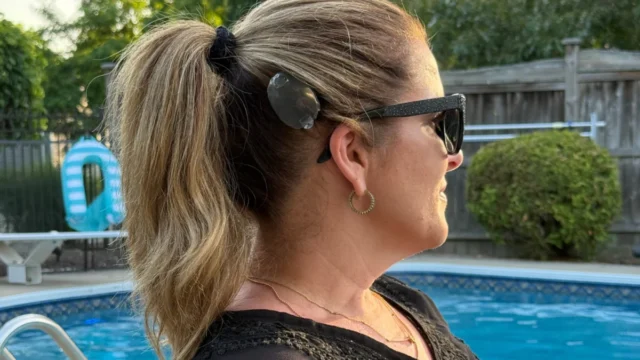
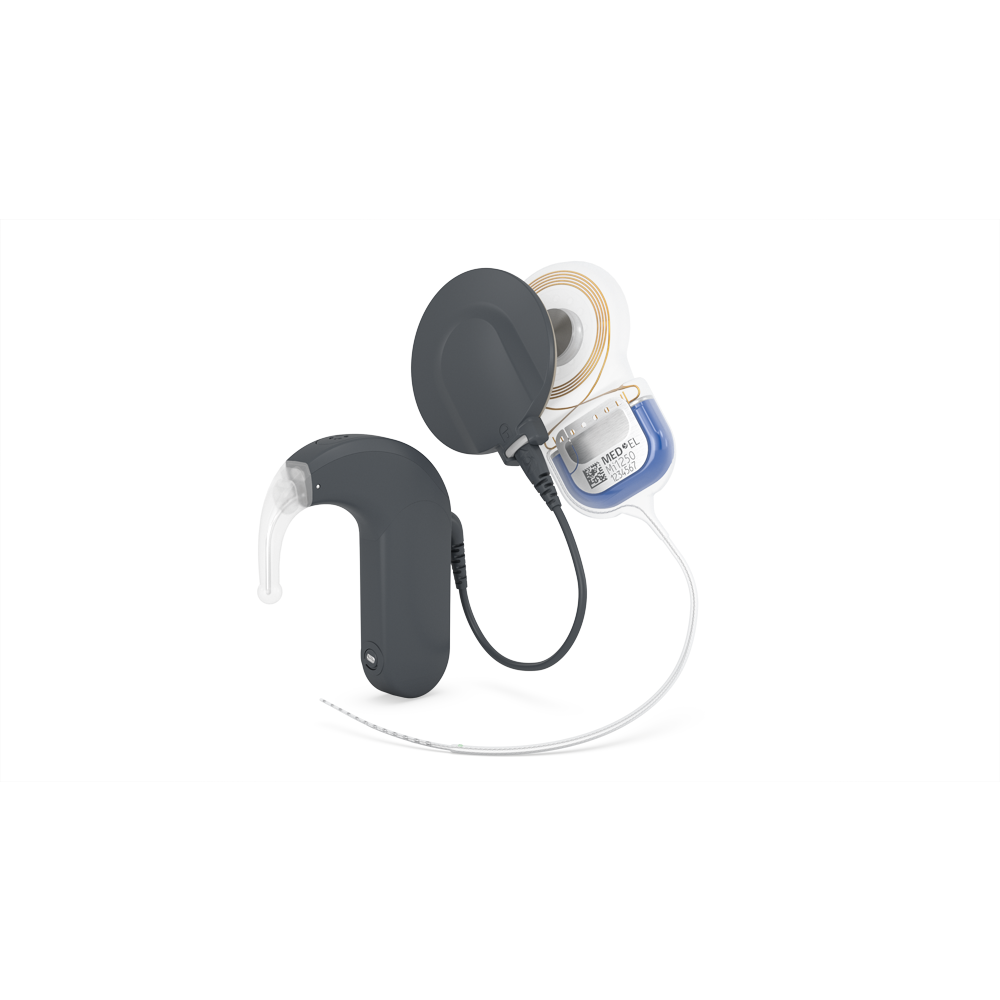
- Cochlear Implants: In cases of severe to profound hearing loss where hearing aids are insufficient, cochlear implants offer a sophisticated solution. These devices bypass damaged parts of the inner ear and directly stimulate the auditory nerve, providing access to sound for eligible infants and children.
The most impactful factor in improving communication and developmental outcomes is early intervention. The sooner a child receives diagnosis and support, the greater their potential for thriving.
Guidance for Parents: What to Do Next
If you harbor concerns about your baby’s hearing, taking proactive steps is essential:
- Consult your pediatrician: Discuss your observations and any developmental milestones that seem delayed.
- Request a hearing screening: Your pediatrician can facilitate this or refer you to an audiologist.
- Follow through with diagnostic testing: If a screening indicates a potential issue, ensure comprehensive audiological evaluations are completed promptly.
- Engage with early intervention services: If hearing loss is diagnosed, connect with available early intervention programs.
- Educate yourself and seek support: Understand the condition and connect with resources and support networks for families facing similar challenges.
While infant hearing loss can initially feel overwhelming, early diagnosis, expert guidance, and consistent support empower children to develop robust communication skills and lead fulfilling lives.
Frequently Asked Questions
What are the early signs of hearing loss in infants?
Early signs can include not startling at loud sounds, not turning toward voices, not responding to their name, delayed babbling, or delayed speech development. Signs can vary by age, so it is important to watch hearing and communication milestones over time.
What does it mean if my baby does not pass the newborn hearing screening?
A "refer" result means your baby needs follow-up testing. It does not always mean permanent hearing loss, but it is important to schedule the next evaluation promptly so doctors can better understand your baby’s hearing needs.
Can a baby pass screening and still have hearing loss?
Yes. A baby can pass a newborn hearing screening and still develop hearing loss later. This is called delayed-onset or progressive hearing loss, which is why parents should continue monitoring hearing, speech, and language milestones as their child grows.
What causes hearing loss in babies?
Hearing loss in babies can be caused by genetics, infections during pregnancy, prematurity, NICU-related factors, jaundice, structural differences in the ear, or temporary conditions such as fluid or ear infections. In some cases, the exact cause is not known.
How is hearing loss in infants treated?
Treatment depends on the cause and severity of the hearing loss. Options may include medical treatment, hearing aids, cochlear implants when appropriate, speech and language support, and follow-up care with hearing specialists. Early intervention can help support communication and language development.
Dr. Yi Ge, MED-EL, Published June 17, 2026. Dr. Yi Ge is a certified otolaryngologist. Since joining MED-EL in 2003, she has held various roles across clinical, regulatory, and medical affairs. Currently, Dr. Ge serves as the Senior Manager of Medical Affairs at MED-EL Innsbruck. Her work focuses on medical process assessment in support of product development and risk management. With deep knowledge of hearing implant systems and global regulatory requirements, Dr. Ge fosters patient-centered innovation in hearing healthcare.
© MED-EL Medical Electronics. All rights reserved. The content on this website is for general informational purposes only and should not be taken as medical advice. Contact your doctor or hearing specialist to learn what type of hearing solution suits your specific needs. Not all products, features, or indications are approved in all countries.