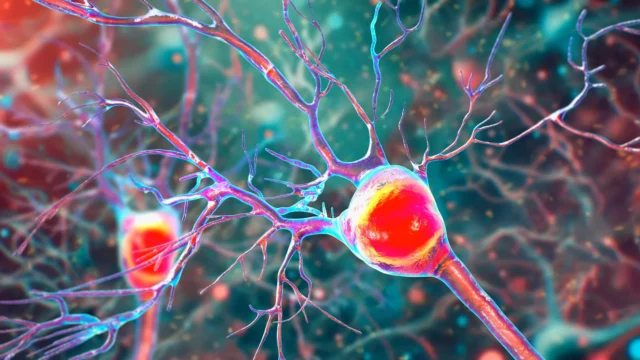

The study, published in the journal Aging and Disease, highlights a troubling synergy between metabolic stress and nutrient deficiency. Specifically, the researchers identified a critical link between low levels of choline—an essential nutrient for brain and liver health—and elevated levels of neurofilament light chain (NfL), a protein that serves as a primary indicator of neuronal damage. These findings suggest that the path toward Alzheimer’s and other forms of dementia may begin in early adulthood, driven by lifestyle factors and physiological imbalances that remain undetected by standard clinical assessments.
The Metabolic-Cognitive Nexus: A New Frontier in Research
For decades, the scientific community has recognized that the health of the body is inextricably linked to the health of the brain. Chronic conditions such as hypertension, type 2 diabetes, and insulin resistance are known to place significant strain on the vascular and metabolic systems. Over time, this cumulative stress erodes the blood-brain barrier and impairs the brain’s ability to clear toxic proteins, eventually leading to cognitive decline.
What makes the ASU study unique is its focus on the "silent" phase of this progression. Led by Ramon Velazquez, an assistant professor at the ASU-Banner Neurodegenerative Disease Research Center, the team sought to determine if the biological precursors of neurodegeneration could be found in young adults who appear otherwise healthy. By partnering with the ASU School of Life Sciences, the Banner Sun Health Research Institute, and the Mayo Clinic in Arizona, the researchers were able to map the complex interactions between obesity, liver health, and brain integrity.
The researchers discovered that young adults with obesity exhibited significantly higher levels of inflammatory cytokines and liver enzymes, indicating that their bodies were already in a state of chronic metabolic stress. Most notably, these individuals showed a marked increase in NfL, a protein that is released into the blood when neurons are damaged or dying. In the context of older adults, high NfL levels are a hallmark of Alzheimer’s disease and multiple sclerosis. Seeing these markers in 20-year-olds suggests that obesity may be accelerating the aging process of the brain in real-time.
The Role of Choline: An Overlooked Essential Nutrient
A central pillar of the study’s findings is the role of choline, a nutrient that remains largely absent from the public discourse on brain health. Choline is a precursor to acetylcholine, a neurotransmitter vital for memory, mood, and muscle control. It is also essential for maintaining the structural integrity of cell membranes and regulating gene expression.
Despite its importance, the study found that many young adults with obesity had dangerously low levels of circulating choline. This deficiency was directly correlated with increased markers of inflammation and neuronal injury. According to the researchers, the lack of choline appears to exacerbate the damage caused by obesity, leaving the brain more vulnerable to metabolic insults.
"This research adds to the growing evidence that choline is a valuable marker of metabolic and brain dysfunction," said Ramon Velazquez. He noted that several concurrent reports have further linked reduced blood choline levels to behavioral shifts, including increased anxiety and memory impairment. The ASU study reinforces the necessity of sufficient daily intake, noting that while the liver can synthesize small amounts of choline, the vast majority must be obtained through diet.
Chronology of Scientific Inquiry: From Rodents to Humans
The human findings reported by ASU are the culmination of a multi-year research trajectory that began with animal models. Previous rodent studies conducted by Velazquez and his colleagues demonstrated that choline supplementation could mitigate the symptoms of Alzheimer’s in mice. Conversely, mice fed a diet deficient in choline developed obesity, fatty liver disease, and accelerated Alzheimer’s-like pathology.
The transition to human subjects in this latest study represents a significant milestone. By utilizing a cohort of 30 adults in their 20s and 30s—split between a healthy-weight control group and an obese experimental group—the researchers were able to validate the "choline-metabolism-brain" axis in humans. The fasting blood samples collected from these participants provided a comprehensive snapshot of their internal chemistry, allowing the team to compare the metabolic profiles of young adults directly with data from older patients diagnosed with mild cognitive impairment (MCI).
The results were striking: the pairing of low choline and high NfL in obese young adults was nearly identical to the signature found in the aging, cognitively impaired population. This suggests that the biological "clock" for Alzheimer’s may be ticking much faster in individuals with poor metabolic health.
Supporting Data: The Gender Gap and Dietary Trends
The study also shed light on specific demographic vulnerabilities. The researchers observed that women in the study tended to have lower choline levels than their male counterparts. This is a particularly significant finding given that women are disproportionately affected by Alzheimer’s disease, accounting for nearly two-thirds of all cases in the United States. While the reasons for this disparity are multifaceted—including hormonal changes during menopause—the ASU study suggests that nutritional status may be a contributing factor that begins to diverge early in life.
Furthermore, national nutrition surveys, such as the National Health and Nutrition Examination Survey (NHANES), consistently show that a staggering percentage of the American population does not meet the Adequate Intake (AI) levels for choline. Teenagers and young adults are among the least likely to consume choline-rich foods, which include:
- Eggs (specifically the yolks)
- Beef liver and lean meats
- Fish and poultry
- Cruciferous vegetables (broccoli, cauliflower, Brussels sprouts)
- Beans and legumes
The rise of highly processed diets, which are often high in sugar and unhealthy fats but devoid of essential micronutrients, has created a "perfect storm" for metabolic and neurological decline.
Implications for Modern Weight-Loss Interventions
The ASU study arrives at a pivotal moment in public health, as the use of GLP-1 receptor agonists—such as Ozempic and Wegovy—has surged. While these medications are highly effective at inducing weight loss and improving cardiovascular markers, they work primarily by suppressing appetite and slowing gastric emptying.
The authors of the study raise an important cautionary note regarding these "miracle" drugs. Because GLP-1 medications significantly reduce overall food intake, there is a risk that patients may not consume enough essential nutrients, including choline. "Most people don’t realize they aren’t getting enough choline," said Wendy Winslow, first co-author of the study.
The researchers suggest that future clinical protocols for weight loss should emphasize nutrient density. If a patient is losing weight but simultaneously starving their brain of the choline required for neuronal repair, the long-term cognitive costs could outweigh the short-term metabolic benefits. The team advocates for future studies to explore whether pairing GLP-1 therapies with targeted choline supplementation could provide a more holistic approach to healthy aging.
Analysis of Public Health Implications
The broader implications of the ASU research are profound. If obesity in young adulthood is indeed a driver of early neurodegeneration, the current "obesity epidemic" may foreshadow a "dementia epidemic" in the coming decades. According to the CDC, the prevalence of obesity in the United States among adults aged 20 to 39 is approximately 40%. If the biomarkers identified in this study are representative of this larger population, millions of young adults may already be on a trajectory toward cognitive impairment.
This shifts the focus of Alzheimer’s prevention from geriatric care to pediatric and young adult wellness. It suggests that interventions must happen long before memory loss begins. Improving metabolic health through diet, exercise, and proper nutrition—specifically ensuring adequate choline intake—could serve as a powerful preventative strategy.
"Our results suggest that, in young adults, good metabolic health and adequate choline contribute to neuronal health, laying the groundwork for healthy aging," stated Jessica Judd, co-author of the study. This perspective aligns with a growing movement in medicine that views neurodegenerative diseases as systemic issues rather than isolated brain disorders.
Conclusion and Future Directions
While the ASU study is a pilot with a relatively small sample size, its findings are consistent with a larger body of emerging evidence. The research establishes a clear, measurable link between obesity, choline deficiency, and early signs of brain injury. It highlights NfL as a critical tool for early detection, potentially allowing clinicians to identify at-risk individuals decades before symptoms manifest.
As the ASU-Banner Neurodegenerative Disease Research Center continues its work, the next steps will involve longitudinal studies to track these young adults over several years. Such research will help determine whether dietary interventions or weight loss can reverse the elevated NfL levels and restore choline balance.
In the meantime, the message for the public and the medical community is clear: the health of the brain cannot be separated from the health of the body. Protecting cognitive function in old age requires a commitment to metabolic resilience in youth. By prioritizing essential nutrients like choline and addressing the systemic impacts of obesity, it may be possible to slow the biological clock of brain aging and alter the future of neurodegenerative disease.