The Statistical Reality of Vestibular Dysfunction
According to data from the National Institute on Deafness and Other Communication Disorders (NIDCD), approximately 35% of adults aged 40 years and older in the United States—roughly 69 million people—have experienced some form of vestibular dysfunction. The economic and social implications are profound; vestibular-related balance impairment is a leading contributor to falls, which the Centers for Disease Control and Prevention (CDC) identifies as the primary cause of injury-related deaths among older adults.
Beyond the risk of acute injury, the "invisible" nature of these disorders often leads to significant psychological distress. Patients frequently report that the constant effort required to maintain equilibrium in an unoptimized environment leads to "brain fog" and physical exhaustion. Consequently, the implementation of "vestibular-friendly" home modifications has emerged as a vital field of study for occupational therapists and interior designers alike.
A Chronology of Adaptation: From Diagnosis to Modification
The transition from a standard living environment to a vestibular-optimized home typically follows a specific chronology. Initially, patients often undergo a period of reactive adjustment, where temporary measures are taken following a major vertigo episode or a fall. This may include the use of makeshift walking aids or the avoidance of certain rooms.
The second phase involves professional consultation. Once a formal diagnosis is reached, patients are often encouraged by physical therapists to conduct a "home sweep" to identify hazards. This leads to the third phase: the implementation of permanent structural and habit-based changes. These modifications are designed to reduce "visual dependency"—a state where the brain relies too heavily on visual cues for balance because the inner ear signals are unreliable—and to minimize physical movements that trigger symptomatic responses.
Environmental Control: The Role of Lighting and Visual Triggers
One of the most prevalent symptoms of vestibular disorders is photophobia, or extreme sensitivity to light. Bright, flickering, or fluorescent lighting can overstimulate the visual system, causing a sensory mismatch that triggers migraines and dizziness.
The installation of dimmer switches is a primary recommendation for managing this sensory input. By allowing residents to control the intensity of light throughout the day, dimmers facilitate a gradual transition for the eyes during morning hours when the vestibular system may be particularly sensitive. Journalistic analysis of patient outcomes indicates that moving through a "peaceful glow" rather than harsh illumination significantly reduces the frequency of morning-onset vertigo. Furthermore, the use of task lighting—focused lamps rather than broad overhead lights—can help ground a patient’s vision during specific activities like reading or cooking.
Structural Safety: Bathroom and Path Modifications
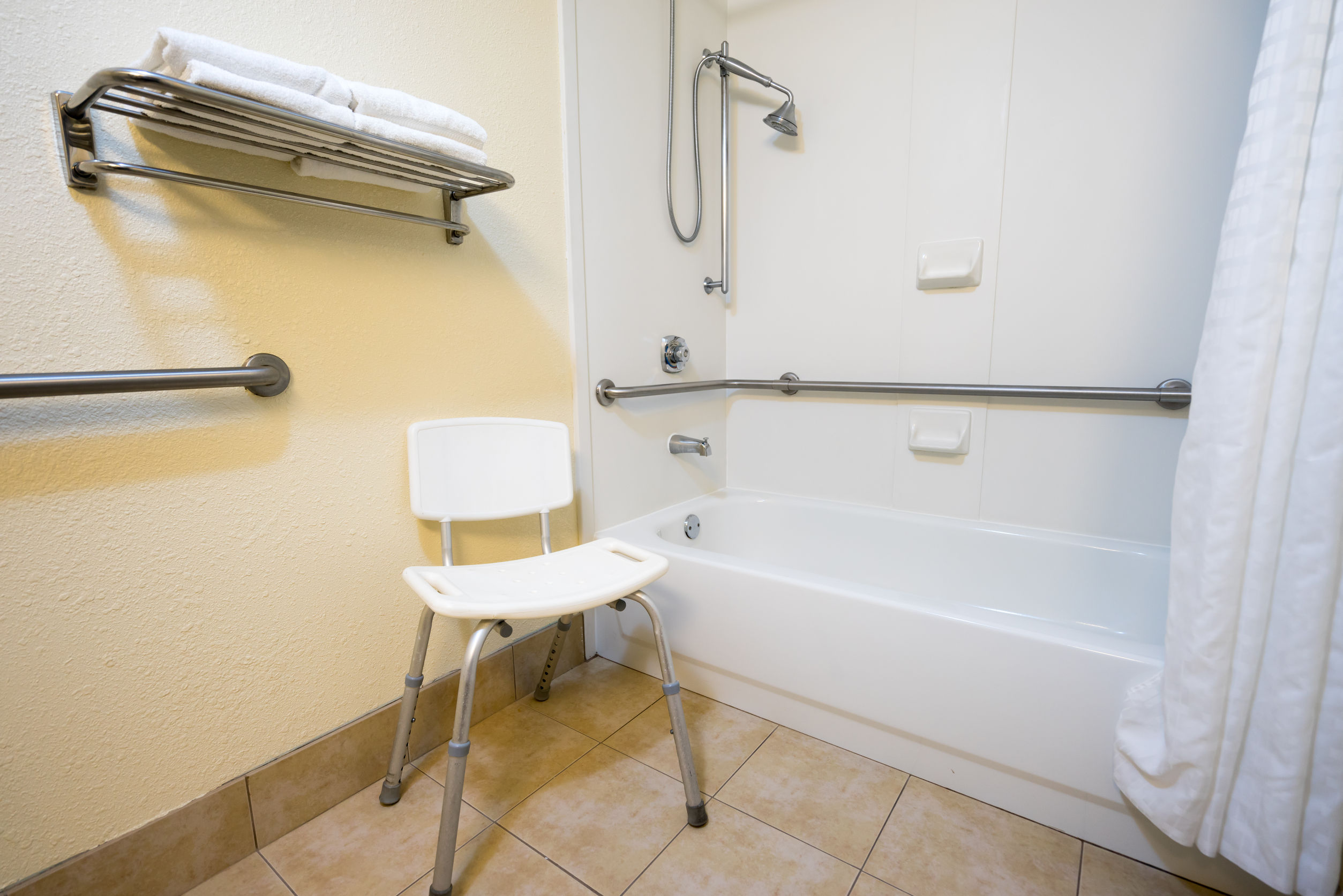
The bathroom remains the most hazardous room in the home for individuals with balance disorders. The combination of wet surfaces, the need for frequent postural changes, and the sensory deprivation that can occur behind a closed shower curtain creates a high-risk environment.
The integration of ADA-compliant (Americans with Disabilities Act) grab bars is a fundamental safety requirement. These bars provide a "grounding touchstone," offering the physical security necessary to navigate the shower and toilet areas. Clinical observations suggest that the presence of a stable handhold allows the nervous system to focus less on the fear of falling and more on the task at hand, thereby reducing the cognitive load on the patient.
Beyond the bathroom, the maintenance of clear, unobstructed pathways is essential. For a person with vestibular impairment, "design-first" furniture placement can be dangerous. Professional organizers recommend a "safety-first" layout, ensuring that the transit routes between the bedroom, kitchen, and living areas are free of rugs, low-profile coffee tables, or decorative items. Strategic furniture placement—such as positioning the backs of sturdy sofas or heavy tables along common walking paths—can provide incidental support, allowing patients to "finger-touch" their way through the house for added stability.
Neurological Grounding through Interior Design
Emerging research into the relationship between visual clutter and vestibular stress suggests that "minimalist" design serves a functional purpose for the dizzy patient. Highly patterned wallpapers, vibrant multi-colored rugs, and excessive decor can create "visual noise," which the brain struggles to filter. This struggle can exacerbate feelings of unsteadiness.
Transitioning to neutral color palettes and decluttered spaces creates a calming atmosphere that prevents the nervous system from entering a state of hyper-arousal. By reducing the number of moving or complex visual elements, the home environment becomes a controlled space where the brain can rest from the constant task of spatial orientation.
Occupational Pacing and Energy Conservation
Living with a vestibular disorder requires a meticulous approach to energy conservation, often referred to by clinicians as "pacing." Tasks that involve frequent bending, reaching, or repetitive head movements—such as vacuuming or cleaning low surfaces—are high-risk activities. The vibrations from heavy machinery like vacuums can also disturb the delicate mechanisms of the inner ear.
For many, the outsourcing of these high-intensity chores to professional cleaning services is a medical necessity rather than a luxury. This modification of lifestyle allows patients to preserve their limited energy for vestibular rehabilitation exercises and daily living activities. Additionally, the use of ergonomic aids, such as high-backed stools in the kitchen, allows patients to prepare meals while seated. This "seated cooking" method prevents the exhaustion associated with prolonged standing and allows the patient to brace their legs against cabinetry, providing extra proprioceptive input to the brain.
Assistive Technology and Communication Safety
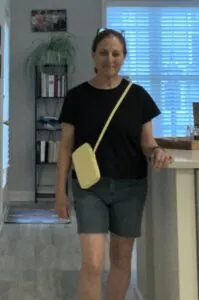
The risk of a fall when home alone necessitates a robust communication strategy. Traditional advice often centers on the use of landline telephones, but modern adaptations favor wearable technology. Small, lightweight shoulder bags or specialized clothing with secure pockets allow patients to keep a mobile phone on their person at all times. This ensures that help is accessible without the need to rush toward a ringing phone—a common cause of sudden, dizzying movements.
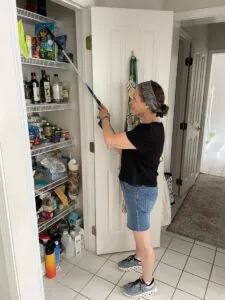
Furthermore, simple mechanical aids like "grabber tools" play a vital role in preventing symptomatic triggers. These tools allow individuals to retrieve items from high shelves or the floor without tilting their heads or bending over, movements that are notorious for displacing otoconia (inner ear crystals) in BPPV patients. For high-stakes maintenance tasks, such as changing smoke detector batteries, official guidance from fire departments and vestibular advocates suggests relying on external help, as the use of ladders is strictly contraindicated for those with balance issues.
Psychological Resilience and the "Sanctuary" Concept
The long-term management of a vestibular disorder requires more than just physical safety; it requires a space for psychological recovery. Dedicated "comfort zones"—equipped with recliners, soft blankets, and controlled auditory environments—allow patients to disconnect from the "spinning" world.
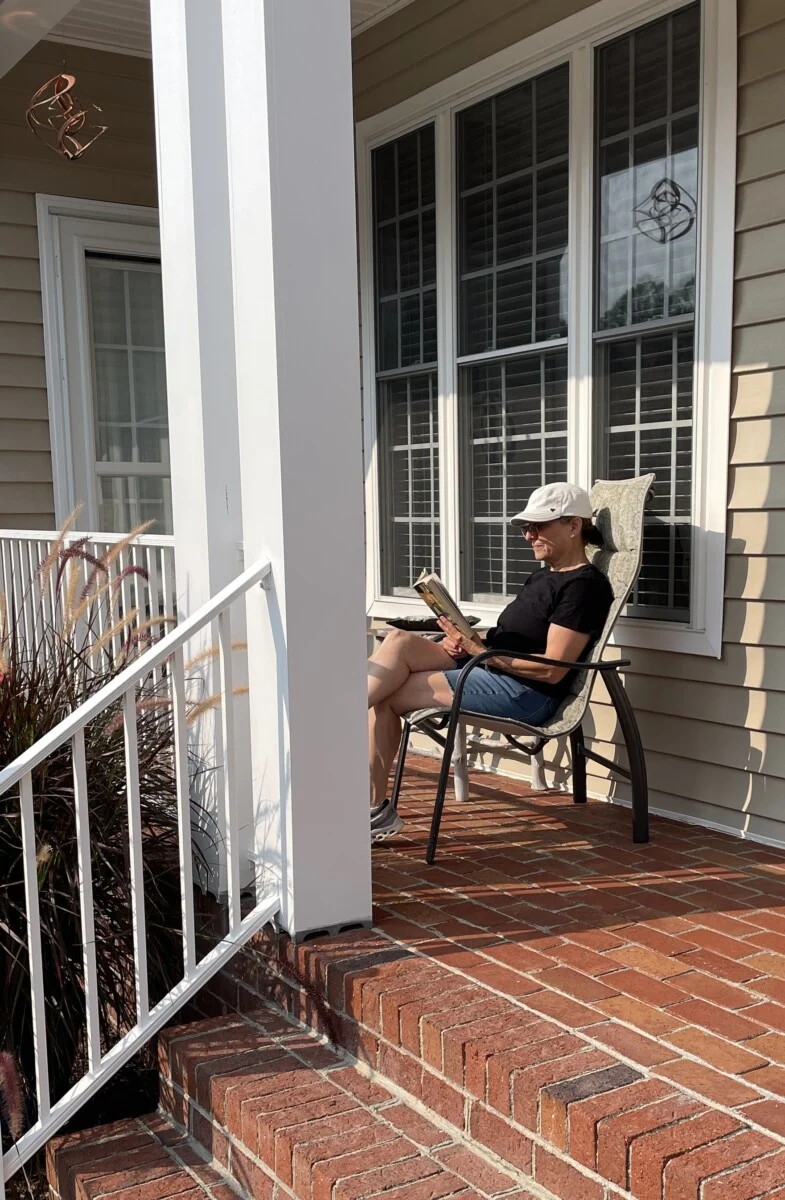
Integrating nature through safe outdoor access is also highlighted as a therapeutic modification. Whether it is a small porch or a garden chair, spending time in natural light (protected by sunglasses or wide-brimmed hats to manage light sensitivity) can improve mood and provide a sense of connection to the outside world. This "grounding" in nature is a recognized component of holistic health, helping to mitigate the isolation often felt by those with chronic illness.
Broader Impact and Policy Implications
The individual "hacks" used by vestibular patients reflect a broader need for Universal Design in residential construction. As the global population ages, the prevalence of balance disorders is expected to rise, placing an increased burden on healthcare systems. Experts argue that making homes "vestibular-friendly" by default—through the inclusion of dimmable lighting, reinforced walls for grab bars, and level flooring—could significantly reduce the incidence of catastrophic falls and the subsequent costs of emergency care and long-term disability.
In the words of the late Rosalynn Carter, "There is nothing more important than a good, safe, and secure home." For the vestibular community, this security is hard-won through intentional design and a commitment to prioritizing physiological needs over aesthetic trends. By transforming the home from a series of hazards into a controlled, supportive environment, individuals with balance disorders can reclaim their independence and improve their overall trajectory of healing.