A Chronology of Advocacy: From Tinnitus Week to the Mendips
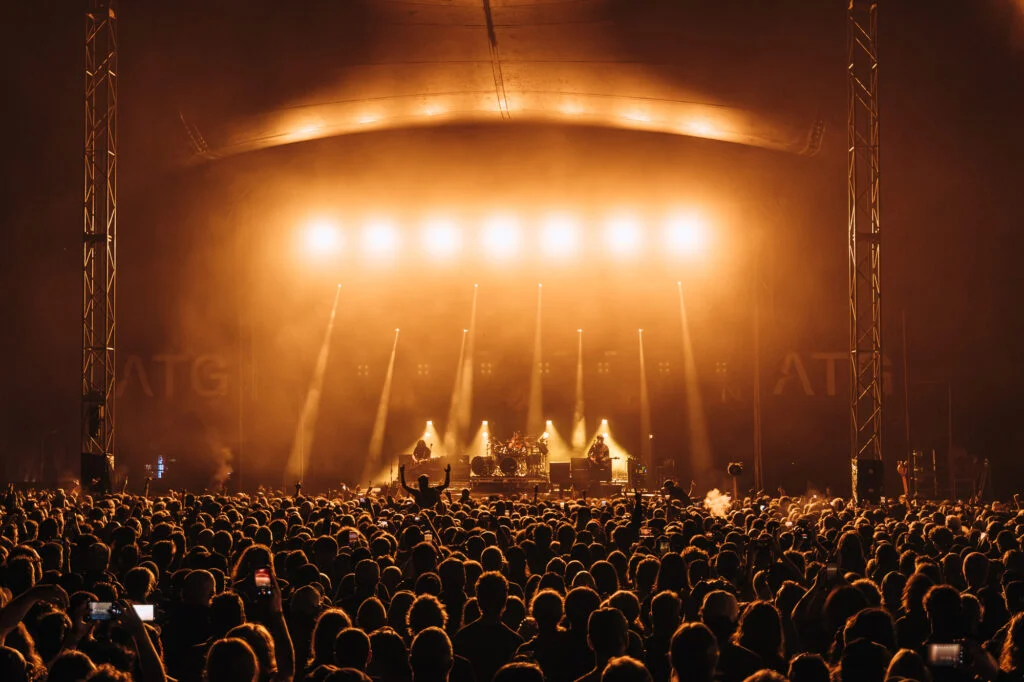
The trajectory toward this implementation began in early 2026, gaining momentum during Tinnitus Week, an annual awareness campaign focused on the prevalence and management of hearing conditions. Following a successful pilot program at the Download Festival—where Tinnitus UK introduced educational outreach regarding hearing health—the organization sought a more comprehensive environment to test the efficacy of the WHO’s guidelines. ArcTanGent, held annually in the Mendips, provided an ideal testing ground. Known for a lineup that spans the most intense corners of post-rock, extreme metal, and electronic music, the festival’s demographic is notoriously dedicated, often characterized by a high degree of musical literacy and a pre-existing awareness of hearing health. The transition to a Safe Listening environment occurred over a phased four-day period, utilizing onsite research teams to monitor sound pressure levels and audience behavior in real-time.
The WHO Global Standard: Methodology and Implementation
The WHO’s Global Standard for Safe Listening at Venues and Events provides a framework that goes beyond simple volume reduction. At ArcTanGent, the ManCAD team worked closely with sound engineers to implement a multi-layered approach. Central to this strategy was the deployment of precision sound-level monitoring across all four stages. These monitors provided technicians with immediate data, allowing them to balance the high-fidelity requirements of the artists with recommended safe decibel limits.
Beyond technical monitoring, the initiative addressed the accessibility of hearing protection. While many festivalgoers arrived with their own earplugs, the partnership ensured that free foam earplugs were available at every stage barrier, and high-fidelity, musician-grade earplugs were made available at merchandise stands and the Metal For Good tent. This dual-track approach—combining structural sound control with personal protection—reflects the WHO’s recommendation for a "layered" defense against noise-induced hearing loss (NIHL). Furthermore, the HEAL (Hearing Education and Awareness for Live Music) initiative provided specialized training for festival staff, equipping them with the knowledge to assist attendees and understand the importance of sound management in high-output environments.
Data and Behavioral Observations
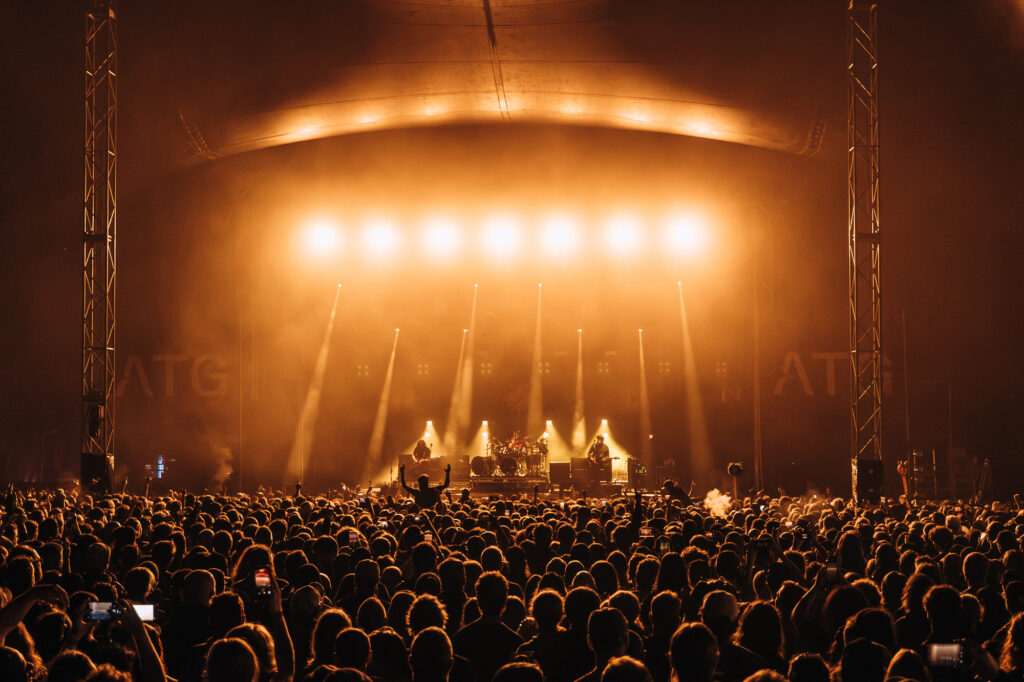
The research conducted by ManCAD during the event serves as a crucial data set for the future of the UK live music industry. Initial findings indicated a high baseline of health consciousness among the ArcTanGent audience. Observations conducted by on-site volunteers revealed that at any given time, upwards of 50% of the audience in the main viewing areas were utilizing some form of hearing protection. Notably, this percentage increased significantly as fans moved closer to the stage, suggesting that regular concert-goers are increasingly aware of the relationship between proximity to sound sources and potential auditory damage.
The qualitative data collected from sound technicians and performers highlighted a significant finding: the implementation of safe listening standards did not degrade the auditory experience. On the contrary, many reports suggested that the clarity of the mix on the larger stages was enhanced by the controlled, optimized sound systems. This dispels a long-standing myth in the industry that "safer" music equates to "quieter" or "weaker" sound. Instead, the data suggests that effective sound design and consistent monitoring can produce a higher quality, more immersive experience that protects the listener without sacrificing the impact of the performance.
Perspectives from the Scientific and Musical Communities
Dr. Samuel Couth, a lecturer at the Manchester Centre for Audiology and Deafness, noted that the success of the initiative lies in the recognition that music and health are not binary choices. "Live music is a pillar of our cultural identity," Dr. Couth stated. "Our research aims to demonstrate that we can continue to enjoy the profound emotional and social benefits of loud music while simultaneously mitigating the physical risks. The reception from the artists and the technical crews was overwhelmingly positive, indicating a growing industry-wide recognition of the necessity of these standards."
The festival organizers, who have historically championed experimental soundscapes, viewed the initiative as a natural evolution of their commitment to their audience. By normalizing the use of earplugs and integrating sound safety into the festival’s logistical operations, ArcTanGent has effectively shifted the culture of the event from one of passive consumption to one of active hearing stewardship.
Broader Implications for the Live Music Industry
The implications of the ArcTanGent model extend far beyond a single farm in the Mendips. The UK live music industry has long grappled with the tension between the artist’s desire for sonic power and the audience’s long-term hearing health. The success of this pilot study provides a blueprint for other festivals and venues to follow.
Statistically, the risks associated with prolonged exposure to high-decibel environments are well-documented. According to the WHO, over 1 billion young adults are at risk of permanent hearing loss due to recreational noise exposure. By adopting the Global Standard, venues can proactively reduce this risk while enhancing the overall production value of their events. The analysis suggests that the future of live music hinges on this transition: incorporating quiet zones, providing easy access to professional-grade hearing protection, and maintaining consistent sound-level monitoring will likely become the industry standard within the next decade.
Conclusion: The Future of Auditory Safety
The collaboration at ArcTanGent serves as a definitive case study in how to bridge the gap between public health policy and the realities of the music industry. The project has demonstrated that when hearing health is treated as a core component of the production process—rather than an afterthought—the result is a safer, more sustainable environment for fans and workers alike.
As the industry looks forward to the next festival season, the findings from this collaboration provide a clear roadmap. The message to the broader public, as echoed by Tinnitus UK, is simple: the enjoyment of live music does not require the sacrifice of one’s hearing. By normalizing the use of protective measures and demanding higher standards of sound management from event organizers, the live music community can ensure that the "loud weekend" remains a vibrant, lifelong passion for generations to come. Whether at an underground gig or a massive outdoor festival, the takeaway is clear: enjoy the music, but pack your earplugs. This shift toward "smarter" listening marks a pivotal moment in the evolution of the concert-going experience, setting a precedent that will likely redefine safety standards in the years ahead.