
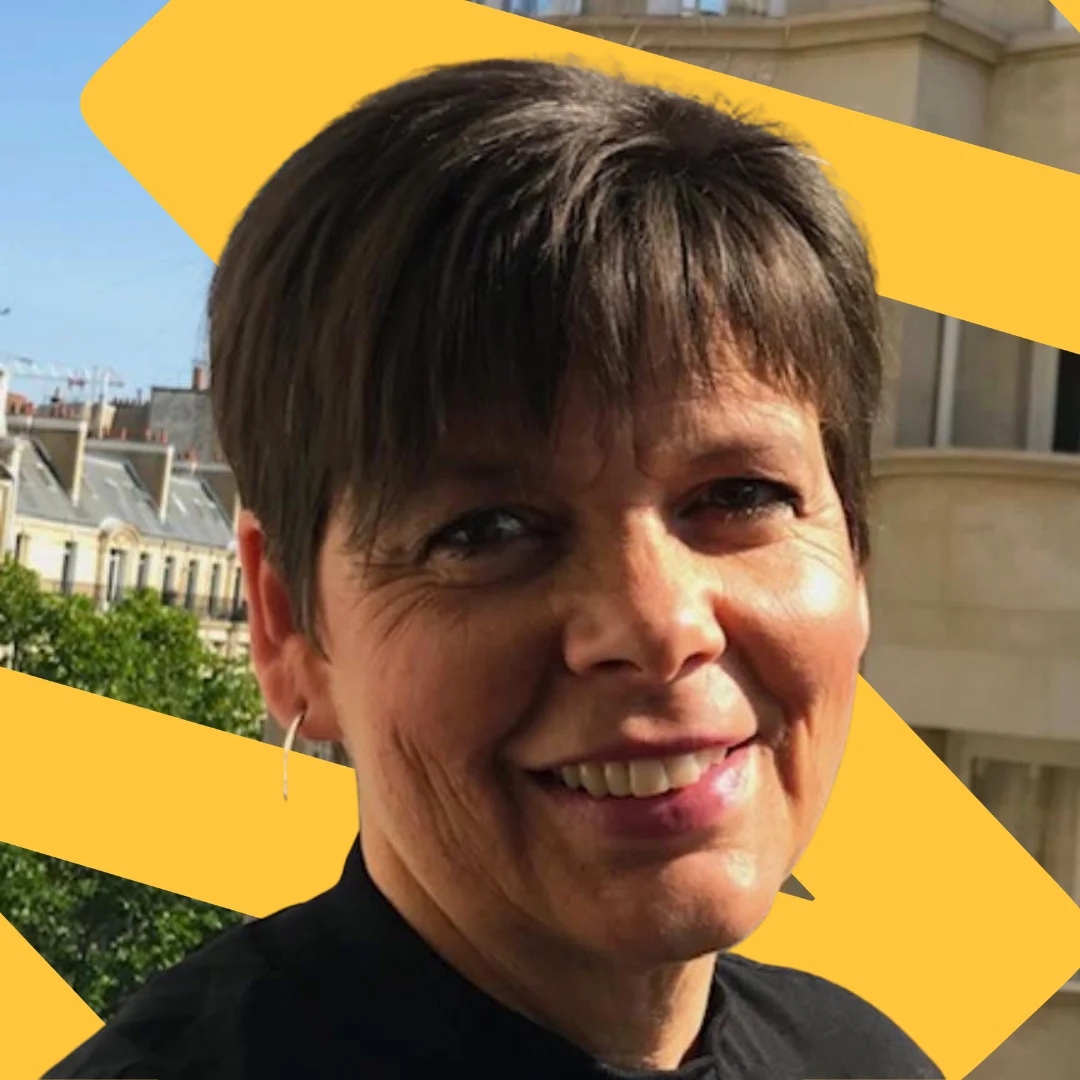
A Journey of Resilience: From Diagnosis to Advocacy
Mona’s experience began at age 20, following a bout of meningitis that resulted in the onset of tinnitus in her left ear. The transition into a life with a permanent auditory condition at such a formative age presented immediate challenges. However, Mona credits her successful habituation to a combination of internal resilience and a strong external support network.
Her early years were marked by the support of peers and university students who, despite lacking technical medical knowledge, provided the emotional scaffolding necessary to navigate the initial trauma of diagnosis. Furthermore, her engagement with the healthcare system during this period was characterized by comprehensive care, where professionals dedicated sufficient time to explain the technical nuances of her condition. This early experience established the foundation for her later advocacy, cementing her belief that knowledge and community are the primary tools for conquering the challenges associated with tinnitus.
The Changing Landscape of Tinnitus Support
Thirty years after her initial diagnosis, the social and medical climate surrounding tinnitus has shifted. In a recent interview, Mona highlighted a turning point: a dismissive comment from an acquaintance—"Tinnitus! Have you not got that sorted yet?"—underscored the persistent lack of public awareness. This incident served as a catalyst, prompting her to volunteer for Tinnitus UK.
The necessity for such volunteer-led initiatives is underscored by the current state of public health services. In many regions, wait times for audiology appointments have stretched into months, and clinical practitioners, often constrained by high patient volumes, struggle to provide the comprehensive, long-form support that many patients require. This gap in the healthcare system is where volunteer-led support groups, such as the one Mona founded in Southsea, provide essential relief. These groups offer a space for collective problem-solving, where the "new you"—the identity formed after adapting to tinnitus—can be explored without the pressure of clinical time constraints.
Supporting Data and the Burden of Tinnitus
Tinnitus affects an estimated 10% to 15% of the adult population globally, with a significant subset experiencing the condition at a level that severely disrupts their quality of life. According to the British Tinnitus Association (which operates as Tinnitus UK), the condition is often comorbid with anxiety, depression, and insomnia, making the psychological component of treatment as important as the physiological.
The economic and social implications are equally significant. Research indicates that the productivity loss associated with tinnitus, coupled with the strain on primary care resources, presents a mounting challenge for national health systems. Peer-support models have been clinically recognized for their efficacy in reducing the "catastrophizing" of symptoms. By facilitating knowledge transfer between those who have successfully habituated and those who are newly diagnosed, volunteer groups act as a form of "social prescribing," which can reduce the reliance on secondary care services for non-clinical concerns.
The Mechanics of Volunteer Advocacy
Mona’s work with Tinnitus UK focuses on providing evidence-based information while facilitating human connection. The charity’s mission rests on the belief that by connecting researchers, clinicians, and patients, the collective understanding of tinnitus can be expanded.
The organizational structure of Tinnitus UK’s volunteer network is designed to be self-sustaining. Volunteers act as befrienders and facilitators, creating safe spaces where the lived experience is treated as a form of expertise. While the logistical burden of running a local support group is real, the feedback from participants suggests that the impact is measurable. Attendees often report a shift in perspective, moving from a state of distress to one of managed habituation. The act of sharing one’s story in a group setting serves to de-stigmatize the condition, providing a sense of agency to those who previously felt defined by their symptoms.
Implications for Future Healthcare Policy
The success of Tinnitus UK’s volunteer model suggests a broader shift in how chronic, non-curable conditions are managed. As policy makers look for ways to alleviate the pressure on the National Health Service (NHS), the integration of volunteer-led support networks into the standard pathway of care is becoming an increasingly attractive proposition.
Fact-based analysis of the current landscape suggests three primary benefits to this model:
- Resource Allocation: By offloading emotional and educational support to trained volunteers, clinicians are freed to focus on the technical and diagnostic aspects of care.
- Patient Outcomes: Peer support is proven to accelerate the process of habituation, potentially reducing the need for intensive psychological interventions later in the patient’s journey.
- Public Awareness: Volunteers act as ambassadors, challenging public misconceptions and ensuring that tinnitus is treated with the same seriousness as other chronic health conditions.
A Call to Action for Potential Volunteers
Mona’s message to those considering a role within the organization is one of professional and personal invitation. She emphasizes that volunteering is not merely an altruistic act but a mutually beneficial arrangement. For the volunteer, it provides a structured way to turn a personal challenge into a source of empowerment. It offers the opportunity to develop new interpersonal skills, build social networks, and contribute to a cause that is actively shaping the future of audiological support.
"Volunteering can be a rewarding way to help others who are facing challenges you have experienced yourself," Mona stated. "It provides new skills, experiences, and the satisfaction of being part of a meaningful, evidence-based cause."
Conclusion
The trajectory of tinnitus management is clearly moving toward a more holistic, community-integrated model. The story of Mona and her work with Tinnitus UK serves as a template for how individual resilience can be scaled into systemic change. As awareness grows and the demand for support services rises, the contribution of volunteers remains the lifeblood of the organization.
By prioritizing the intersection of clinical excellence and community compassion, Tinnitus UK is ensuring that no one has to navigate the "new reality" of tinnitus alone. For patients and potential volunteers alike, the evidence is clear: the most effective way to combat the isolation of a chronic condition is to replace it with the structure, knowledge, and solidarity of a dedicated community. As the charity continues to expand its reach, the focus will remain on fostering these connections, proving that while tinnitus may be an individual experience, the path to habituation is best traveled together.