The upcoming GAAD 2025 serves as a focal point for organizations to evaluate their digital footprints. Statistics from the World Health Organization (WHO) indicate that approximately 1 in 6 people worldwide experience significant disability. In the United Kingdom alone, Department for Work and Pensions data suggests that 16 million people—roughly 24% of the population—live with a disability. For these individuals, inaccessible online events represent a modern form of exclusion, preventing participation in democratic processes, professional development, and social discourse. Consequently, the implementation of inclusive practices in hosting online meetings, webinars, and large-scale conferences is essential for fostering a truly diverse and equitable society.
The Evolution of Digital Accessibility Standards
The framework for hosting inclusive events is rooted in a history of legislative and technical developments. The UK’s Public Sector Bodies (Websites and Mobile Applications) (No. 2) Accessibility Regulations 2018 mandated that public sector websites and apps meet the Web Content Accessibility Guidelines (WCAG) 2.1 Level AA standards. Since then, the scope has expanded to include the live and recorded content produced by these entities. The transition to a "digital-first" world during the 2020 pandemic accelerated the adoption of these standards in the private sector as well, as corporations recognized the economic and social value of reaching the widest possible audience.
As we approach the 2025 milestone, the methodology for hosting events has shifted from reactive troubleshooting to proactive design. This evolution is characterized by a "shift left" approach, where accessibility is integrated into the earliest planning stages of an event rather than being treated as an afterthought or a special request.
Strategic Planning and Pre-Event Protocols
The foundation of an inclusive event is laid long before the first participant joins the digital lobby. Expert organizers emphasize that understanding the specific needs of an audience is the primary step in effective planning.
Audience Insights and Pre-Event Surveys
Proactive engagement begins with the registration process. Modern event planners are increasingly utilizing pre-event surveys to gather detailed information regarding accessibility requirements. This data collection is not limited to identifying hearing or visual impairments; it also encompasses neurodiversity, cognitive load considerations, and technical limitations. By asking participants about their needs early, organizers can secure necessary resources, such as British Sign Language (BSL) interpreters or live captioning services, which often require advance booking.
Accessible Agenda Design
The structure of the event itself plays a significant role in its accessibility. "Zoom fatigue" and cognitive overload are significant barriers for many participants, particularly those with certain neurodivergent conditions or chronic illnesses. Creating agendas with frequent, meaningful breaks is now considered a best practice. While a standard five-minute transition might suffice for some, experts suggest ten-to-fifteen-minute intervals to allow participants to rest, manage physical needs, or recalibrate their focus. Furthermore, providing these agendas in advance in screen-reader-friendly formats allows participants to plan their energy expenditure throughout the day.
Platform Evaluation and Technical Testing
Not all digital platforms are created equal in terms of accessibility. Organizations are now tasked with rigorous evaluation of software features before committing to a platform. Key considerations include the compatibility of the platform with assistive technologies like JAWS, NVDA, or VoiceOver.
Technical rehearsals are critical. Organizers must verify that interactive elements—such as polls, Q&A modules, and chat functions—are fully navigable via keyboard commands without the use of a mouse. This testing phase also serves to ensure that the platform’s "raised hand" features and gallery views do not interfere with the visibility of sign language interpreters or pinned speakers.
Communication and Inclusive Outreach
The reach of an event is often determined by the accessibility of its promotional phase. If a potential attendee cannot read the invitation or navigate the sign-up page, the event has failed its first test of inclusivity.
Promotional Material Standards
All marketing collateral, whether distributed via email, social media, or web pages, must adhere to high-contrast standards and use legible, sans-serif fonts. The use of "Alt-text" for images in social media posts and emails is a non-negotiable requirement for reaching users who rely on screen readers. Furthermore, the language used in communications should be plain and devoid of unnecessary jargon, ensuring that the information is accessible to non-native speakers and individuals with cognitive disabilities.
Offering Multiple Formats
Inclusivity necessitates flexibility. Providing event information in multiple formats—such as braille (where physical materials are sent), large print, and audio summaries—caters to a broad spectrum of needs. For online events, this also includes providing a variety of ways to join. Offering a traditional telephone dial-in option remains a vital "fail-safe" for participants who may have unstable internet connections or who lack the hardware to run resource-intensive video conferencing software.
Execution and Real-Time Support
During the live event, the responsibility of the host shifts to maintaining the accessible environment they have constructed. This requires a combination of technical management and social etiquette.
Visual and Auditory Clarity
Presenters are the face of the event’s accessibility. Best practices now dictate that speakers use high-quality headsets to ensure clear audio, as background noise can significantly degrade the experience for hearing-aid users and the accuracy of automated captioning software. Lighting is equally important; a well-lit face allows participants who rely on lip-reading to follow the conversation more effectively.
Live Captioning and Interpretation
The provision of live captioning—ideally through Communication Access Realtime Translation (CART) rather than solely relying on AI-generated captions—is becoming a standard expectation. AI captions, while improving, often struggle with accents, technical terminology, and overlapping dialogue. For events with a significant deaf or hard-of-hearing audience, the inclusion of a sign language interpreter is essential. The interpreter must be "pinned" or highlighted so they remain visible even when screen sharing occurs.
Monitoring and Responsiveness
An inclusive event requires active moderation. Designating a specific team member to monitor the chat for accessibility-related issues allows the organization to respond to problems in real-time. If a participant reports that the captions have stopped working or that a speaker’s audio is muffled, the moderator can intervene immediately, ensuring that no part of the audience is left behind.
Post-Event Engagement and Long-Term Impact
The conclusion of a live session does not mark the end of the accessibility lifecycle. The post-event phase is crucial for reinforcing the information shared and improving future iterations.
Archiving and Transcripts
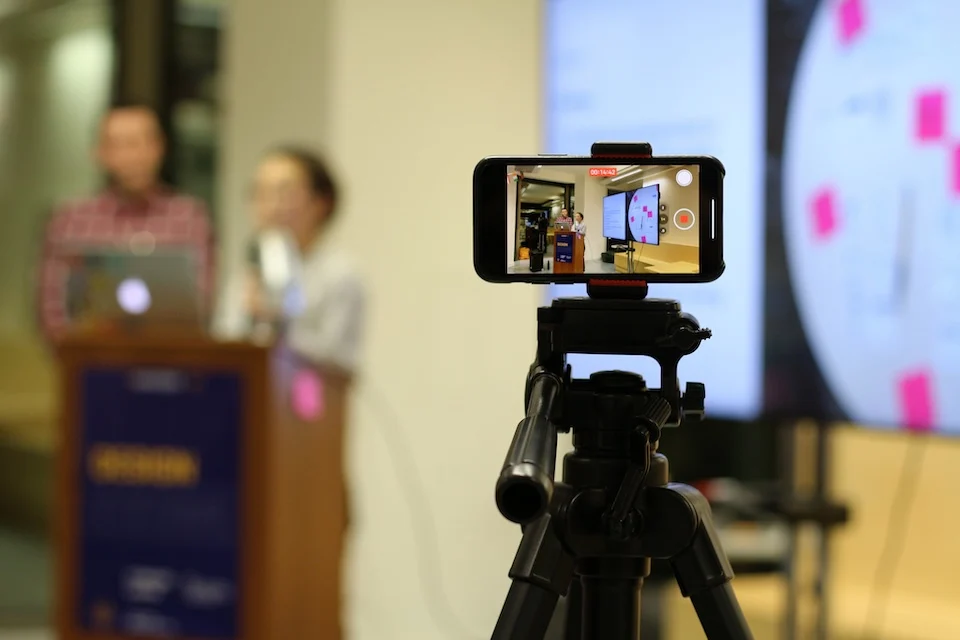
Recording sessions is a vital accessibility feature. It allows participants who may have struggled with the live pace to review the content at their own speed. However, a recording alone is insufficient. Providing a corrected, timestamped transcript and a version of the video with burned-in captions ensures that the content remains accessible in perpetuity.
The Feedback Loop
Gathering feedback specifically regarding accessibility is a powerful tool for organizational growth. Post-event surveys should include specific questions about the ease of use of the platform and the effectiveness of the accommodations provided. Following up directly with participants who requested specific adjustments demonstrates a commitment to their inclusion and provides invaluable data for refining future event protocols.
The Broader Impact: The "Curb-Cut Effect"
The drive toward digital accessibility has led to what sociologists call the "Curb-Cut Effect." Named after the physical ramps cut into sidewalks for wheelchairs that eventually benefited parents with strollers, travelers with luggage, and delivery workers, digital accessibility features often improve the experience for everyone.
For instance, live captions are frequently used by individuals in noisy public spaces or by those for whom English is a second language. Clear, jargon-free agendas benefit all busy professionals looking to manage their time. By designing for the margins, organizations inadvertently create a more streamlined, user-friendly experience for the entire population.
As we look toward Global Accessibility Awareness Day 2025 and beyond, the message from the Government Digital Service and accessibility experts is clear: inclusivity is a continuous journey of learning and adaptation. In a global economy that increasingly operates in virtual spaces, the ability to host accessible events is not just a technical skill—it is a hallmark of professional excellence and social responsibility. By implementing these top tips, organizations can ensure that their digital doors are open to everyone, fostering an environment where every participant has the opportunity to engage, contribute, and succeed.