The Clinical Context of Auditory Neuropathy Spectrum Disorder
Auditory Neuropathy Spectrum Disorder (ANSD) is a condition where the inner ear successfully detects sound, but the signal is not transmitted effectively to the brain. Unlike traditional sensorineural hearing loss, where hair cells in the cochlea may be damaged, ANSD involves the auditory nerve or the connection between the inner ear and the nerve. According to the National Institute on Deafness and Other Communication Disorders (NIDCD), this condition can manifest in a wide range of severity, from mild to profound, often causing significant difficulties with speech perception, particularly in noisy environments.
For Raiden, the diagnosis indicated moderate to severe hearing loss at specific pitches, compounded by developmental delays in speech and communication. The standard clinical response to such a diagnosis involves early intervention, which includes the fitting of hearing amplification devices—such as hearing aids or cochlear implants—and intensive speech-language therapy. Research published by the American Speech-Language-Hearing Association (ASHA) suggests that children who receive consistent, high-quality auditory intervention before the age of six months show significantly better outcomes in language acquisition and social-emotional development compared to their peers who receive intervention later.
A Chronology of Intervention and Adaptation
The Yamamoto family’s transition into specialized education was not immediate. Initially, they weighed the logistical challenges of a daily hour-long commute against the convenience of local preschool options. However, after touring the Listen & Talk campus, the parents recognized that standard preschool settings often lacked the specialized infrastructure—such as on-site audiology booths and integrated classroom amplification technology—necessary for Raiden’s specific needs.
The enrollment process began in the fall, marking the start of a structured, multi-faceted approach to Raiden’s development. The first few months were characterized by a focus on "ear defensiveness," a common sensory response among children who struggle to adjust to the physical presence of hearing aids. Through collaborative efforts between the Listen & Talk faculty and the family, techniques were implemented to desensitize the child to the device, gradually increasing the duration of wear.
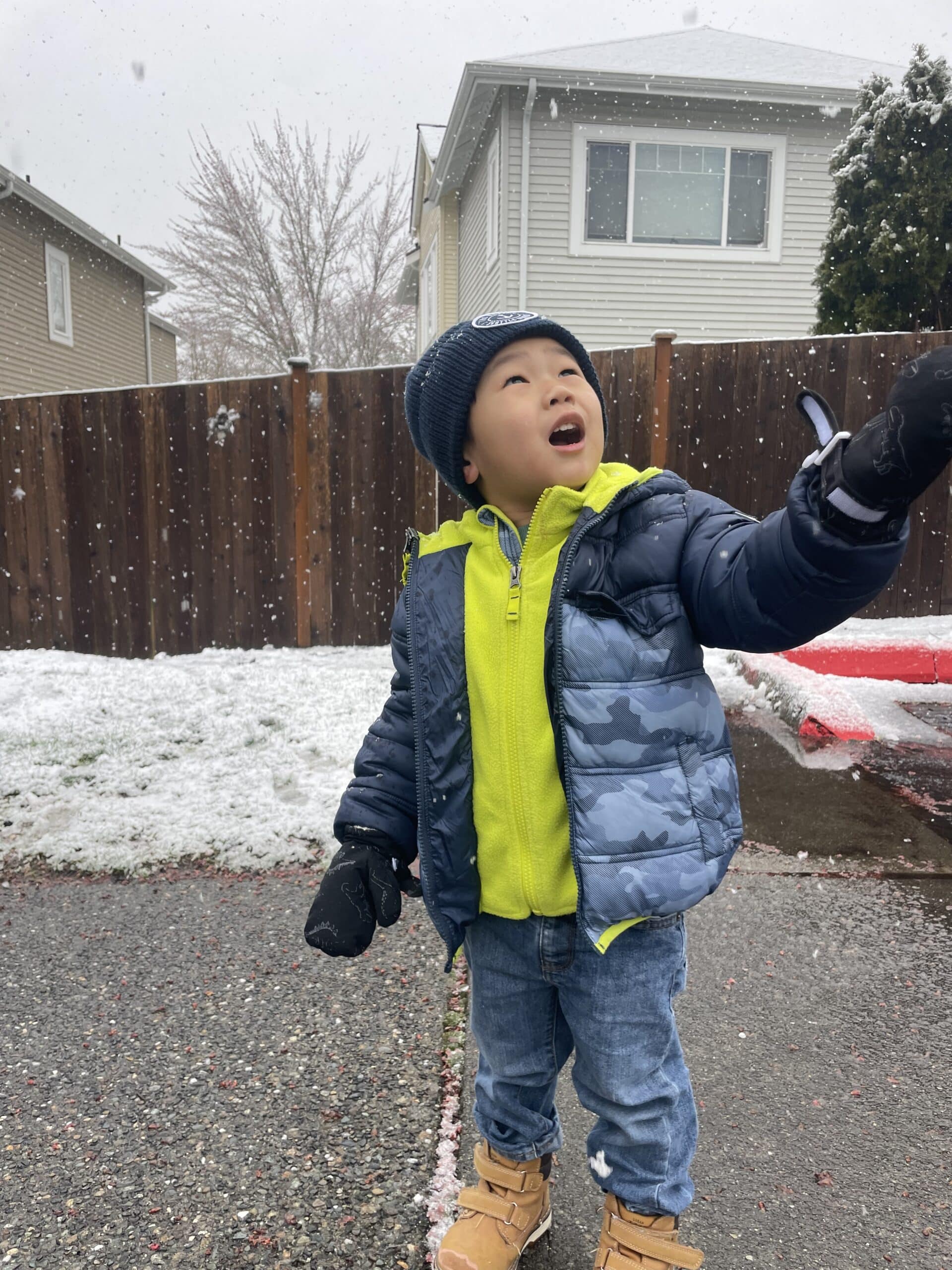
The progress has been measurable. By winter, Raiden transitioned from single-word utterances to 3-4 word phrases, demonstrating an increased capacity for spontaneous communication. This rapid linguistic expansion serves as a case study for the efficacy of the Blended Classroom model, which relies on the "social modeling" of typically hearing peers to encourage natural language development in children with hearing impairments.
The Blended Classroom Model: Evidence and Methodology
The Blended Classroom model utilized by Listen & Talk is designed to create an auditory-rich environment that minimizes the isolation often experienced by students with hearing loss. In this model, children with hearing loss are integrated with their typically hearing peers for the majority of the school day. This inclusive approach is bolstered by "pull-out" sessions, where children receive targeted, one-on-one speech therapy within the same building.
This methodology serves two primary purposes: academic development and self-advocacy. By interacting with hearing peers, students with hearing loss are incentivized to utilize their communication skills in real-world scenarios. Simultaneously, the program emphasizes the development of self-advocacy skills, teaching children how to communicate their needs to teachers, coaches, and peers. Educators argue that these advocacy skills are critical for long-term success, particularly as these children transition into mainstream Kindergarten and primary education systems.
Data from the field of deaf education indicates that inclusion settings, when properly supported with assistive technology and trained personnel, correlate with higher rates of mainstreaming success. The presence of onsite audiology services allows for real-time adjustments to hearing devices, ensuring that the student is receiving optimal auditory input throughout the learning process.
Economic and Social Impact of Early Intervention
The financial and social implications of these programs are significant. Early intervention is widely recognized as a cost-effective measure in public health. By investing in intensive language and auditory support during the critical brain development years, families and states can reduce the long-term need for special education services and remedial support in later school years.
Organizations like Listen & Talk operate as social impact enterprises, relying on a combination of tuition, grants, and philanthropic contributions to fund their operations. These funds support high-cost services such as audiology testing, ongoing speech therapy, and, perhaps most crucially, parent education classes. Parent education is an essential component of the model, as it equips caregivers with the knowledge to manage hearing technology and continue language-enrichment activities at home.

The broader vision of such institutions is the removal of systemic barriers. As the program states, the goal is to reach a future where "no child is limited by hearing loss." This involves not only helping the individual child but also influencing the broader educational landscape to become more accommodating and aware of the needs of students with sensory disabilities.
Broader Implications for the Future of Deaf Education
The case of the Yamamoto family and Raiden’s progress offers a window into the evolving standard of care for children with hearing loss. As technology continues to improve—with smarter, more discreet hearing aids and more sophisticated cochlear implants—the focus of the field is shifting toward the "human element": the necessity of supportive, advocacy-based education.
Policy experts note that while legislation like the Individuals with Disabilities Education Act (IDEA) provides the legal framework for special education, the quality of implementation varies significantly by region. Consequently, specialized programs that bridge the gap between clinical audiology and classroom education are becoming increasingly vital. The success of the Blended Classroom model underscores the potential for similar programs to be scaled or integrated into mainstream public education systems.
Furthermore, the rise of "advocacy-focused" curricula represents a shift from a purely clinical or medical model of hearing loss toward a socio-educational model. This approach acknowledges that while the biological challenges of hearing loss remain, the social outcomes are largely determined by the child’s ability to navigate a hearing-centric world. By fostering independence and self-reliance at the preschool level, these programs are setting the stage for greater equity in academic and professional outcomes for the next generation.
Conclusion
The progress seen in Raiden’s case—from his initial diagnosis to his newfound ability to initiate conversations—serves as a testament to the importance of specialized, supportive environments. For families facing similar diagnoses, the takeaway is clear: early, consistent, and advocacy-centered intervention provides the best foundation for future success. As the educational community continues to refine its approach to inclusion, the Blended Classroom model stands as a promising blueprint for ensuring that hearing loss does not dictate a child’s potential. Through the sustained support of donors, educators, and informed parents, these children are not only learning to hear; they are learning to advocate, communicate, and thrive in a world that is becoming increasingly attuned to their needs.