
A Chronology of Early Intervention
When Jack Krenn was one month old, his parents were faced with a diagnostic roadmap that few are prepared to navigate. The initial clinical data indicated a moderate to severe mixed hearing loss in both ears. This period necessitated an immediate and rigorous schedule of appointments, ranging from diagnostic audiological testing to surgical consultations.
For many infants born with hearing loss, the "birth to three" window is considered the most vital period for neurological development related to language acquisition. Research consistently demonstrates that children who receive consistent, high-quality early intervention services prior to age three show significantly better outcomes in expressive and receptive language development compared to those who do not.
In the case of the Krenn family, the selection of Listen and Talk, a specialized program for deaf and hard-of-hearing children, marked a turning point. Over the subsequent three years, Jack’s development was scaffolded by weekly speech-language pathology (SLP) sessions. These sessions functioned as more than just technical instruction; they provided a holistic support system that addressed the family’s anxieties, answered complex medical questions, and facilitated community connections. This multidisciplinary approach is widely regarded by pediatric health experts as the gold standard for supporting children with complex developmental needs, as it addresses not only the clinical aspects of hearing loss but also the psychological well-being of the primary caregivers.
The Complexity of Diagnosis: EFTUD2 and Apraxia
Jack’s developmental profile is distinct due to the presence of EFTUD2, a rare genetic condition that affects craniofacial development and is frequently associated with hearing loss. Managing a child’s health under these circumstances requires a high degree of coordination between specialists.

Furthermore, Jack was diagnosed with childhood apraxia of speech (CAS), a motor speech disorder that makes it difficult for children to speak. The combination of hearing loss and CAS presents a "double challenge": the child must first accurately perceive auditory input—which may be muffled or distorted—and then execute the complex motor planning required to produce speech. The progress Jack has made, transitioning into a preschool program where he is now developing both social and communicative confidence, serves as a testament to the efficacy of targeted, early-stage therapeutic interventions. The evolution of his hearing loss diagnosis, which was later refined through consistent monitoring to a unilateral conductive loss, underscores the importance of longitudinal testing as a child grows and their physical anatomy changes.
Data and Impact: The Value of Early Support
The impact of programs like Listen and Talk is measurable through both qualitative success stories and quantitative developmental benchmarks. According to the Centers for Disease Control and Prevention (CDC), early hearing detection and intervention (EHDI) programs are essential because they ensure that infants receive appropriate services before reaching school age. Without such intervention, children with permanent hearing loss are at a significantly higher risk for developmental delays.
Social impact enterprises that provide these services often operate on a model of "capacity building." This involves training parents to become the primary advocates and educators for their children. By providing resources such as parent education classes, audiology testing, and speech therapy, these programs decrease the long-term societal costs associated with untreated developmental delays. Furthermore, the inclusion of "blended classrooms"—where children with varying levels of hearing ability learn in an integrated environment—fosters social-emotional development and normalizes the use of assistive technology, such as hearing aids or cochlear implants, in a naturalistic setting.
Perspectives on Inclusive Education
The success of a child in a classroom setting is often contingent upon the synergy between the educational staff and the family. In Jack’s case, the transition to a preschool environment was facilitated by a team that emphasized individualized care. Teachers at specialized institutions report that the "daily picture page" or digital communication logs provide a vital bridge between home and school, allowing for a consistent reinforcement of language goals.
"The goal of early intervention is not merely to treat the hearing loss, but to ensure that no child is limited by it," states a spokesperson for the advocacy community associated with these programs. "By creating an environment where assistive technology is viewed as a tool for empowerment rather than a source of stigma, we are setting the stage for these children to succeed in mainstream academic and social environments."
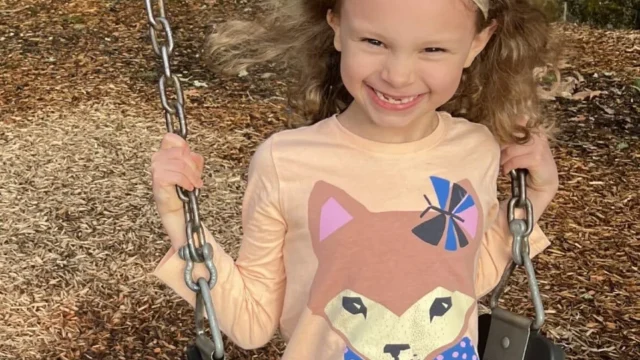
The transformation seen in Jack—from his parents initially choosing "discreet" beige hearing aids to the family later embracing bright colors and glitter—symbolizes a broader cultural shift. It represents a move away from the desire to "hide" a disability toward a state of acceptance and advocacy. This shift is a common milestone for families in the deaf and hard-of-hearing community, marking the transition from a place of fear to a place of empowered self-identity.

The Role of Philanthropy and Future Sustainability
The sustainability of these specialized services remains a matter of public and private concern. Because early intervention programs are often underfunded by state or federal grants, the role of philanthropic contributions—such as the Alumni Family Giving Campaign mentioned in recent reports—becomes essential. These funds directly finance the overhead for specialized equipment, expert staffing, and the development of curricula tailored to children with diverse needs, including those with microtia and atresia.
The broader implications for society are profound. When children receive the support they need in their formative years, they are more likely to achieve educational milestones, pursue higher education, and integrate into the workforce. The investment in early intervention is, fundamentally, an investment in human capital. As Jack continues his education, the framework established by his family and his educators at Listen and Talk provides him with a resilient foundation to navigate the complexities of his diagnosis.
As the current landscape of special education continues to evolve, the focus is increasingly shifting toward "family-centered intervention." This model recognizes that the family is the constant in the child’s life, and therefore, the primary agent of change. By providing parents with the tools to navigate medical systems, advocate for appropriate school accommodations, and foster an environment of open communication, these programs ensure that the progress made in the clinic translates into lasting success in the real world.
In conclusion, Jack Krenn’s story serves as both a case study in effective early intervention and a reminder of the necessity of community support. From the initial, often traumatic discovery of hearing loss to the daily triumphs in a preschool classroom, the path is rarely linear. However, with the right resources, specialized expertise, and a commitment to inclusive education, the barriers associated with hearing loss can be effectively dismantled. The ongoing efforts of organizations to provide these critical services remain a cornerstone of developmental health, ensuring that the next generation of children—regardless of their initial diagnosis—has the opportunity to reach their full potential. The transition from silence and confusion to connection and expression is a monumental achievement, made possible only through the sustained, collaborative effort of clinicians, educators, and families working in unison.