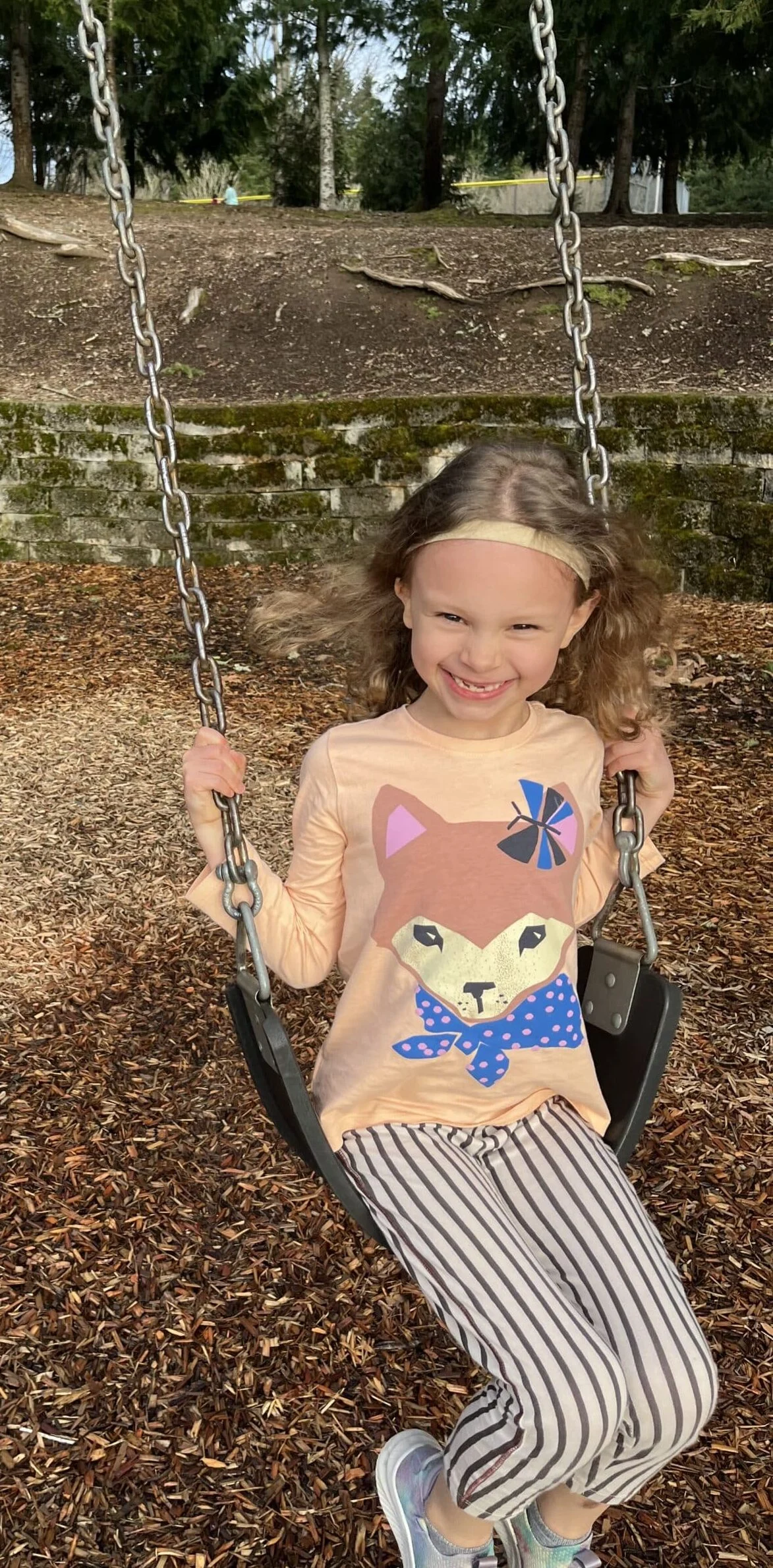
Defining Microtia and Atresia: A Clinical Overview
Microtia refers to the congenital underdevelopment of the outer ear (the pinna), which can range from mild structural anomalies to the total absence of the ear. Atresia frequently occurs in conjunction with microtia, involving the absence or closure of the external auditory canal. Together, these conditions often result in conductive hearing loss. When the condition presents unilaterally, the patient experiences single-sided deafness (SSD) or unilateral hearing loss.
Statistically, microtia occurs in approximately one in every 5,000 to 7,000 live births, though variations exist based on geographic and ethnic factors. For children born with unilateral involvement, the "good" ear remains functional, which historically led to the common, yet increasingly challenged, clinical perspective that these children would develop speech and language at the same rate as their typically hearing peers. However, current longitudinal studies indicate that the lack of binaural hearing—the ability to use both ears to process sound—significantly hinders a child’s ability to localize sound and distinguish speech from background noise.
The Developmental Challenges of Unilateral Hearing Loss
The implications of UHL are most pronounced in high-stimulation environments, such as classrooms. Children with unilateral hearing loss often struggle with "listening fatigue," a phenomenon where the brain exerts excessive cognitive effort to process auditory information in noisy settings.
Key developmental hurdles include:
- Sound Localization: The brain relies on the slight timing and intensity differences of sound reaching each ear to identify where a sound originates. UHL disrupts this process, which can pose safety risks in dynamic environments.
- Signal-to-Noise Ratio (SNR) Deficits: In a standard classroom, background noise—such as shuffling desks, HVAC systems, or other students talking—creates a competitive auditory environment. A child with UHL often misses the nuances of teacher instructions, leading to potential gaps in academic acquisition.
- Cognitive Load and Fatigue: Because the brain is working significantly harder to "fill in the gaps" of missing information, children with UHL often report exhaustion by the end of the school day, which can manifest as behavioral frustration or social withdrawal.
The Evolution of Listening and Spoken Language (LSL) Education
In response to these challenges, the Listening and Spoken Language (LSL) approach has emerged as a gold-standard intervention. LSL is a specialized educational framework that emphasizes the development of audition—the ability to process sound—to support the acquisition of spoken language. Rather than relying solely on visual cues or alternative communication methods, LSL practitioners coach parents and educators to create "auditory-first" environments.
Organizations such as Listen and Talk utilize comprehensive programs ranging from "Birth to Three" initiatives to blended classroom models. These programs are designed to optimize the listening environment, ensuring that children like Adeline receive the clear, consistent auditory input necessary for neurological development. By leveraging hearing technology, such as bone-conduction devices (e.g., the Ponto system), LSL specialists help children bridge the gap between their residual hearing and the auditory demands of the real world.
A Case Study in Resilience: The Journey of Adeline
The experience of Adeline’s family provides a poignant timeline for parents navigating a new diagnosis. At five weeks of age, Adeline was diagnosed with unilateral moderate-to-severe conductive hearing loss in her right ear. As she grew, clinical imaging confirmed the presence of solid bone where the ear canal should have been, with middle ear ossicles fused to the skull—a classic presentation of atresia.
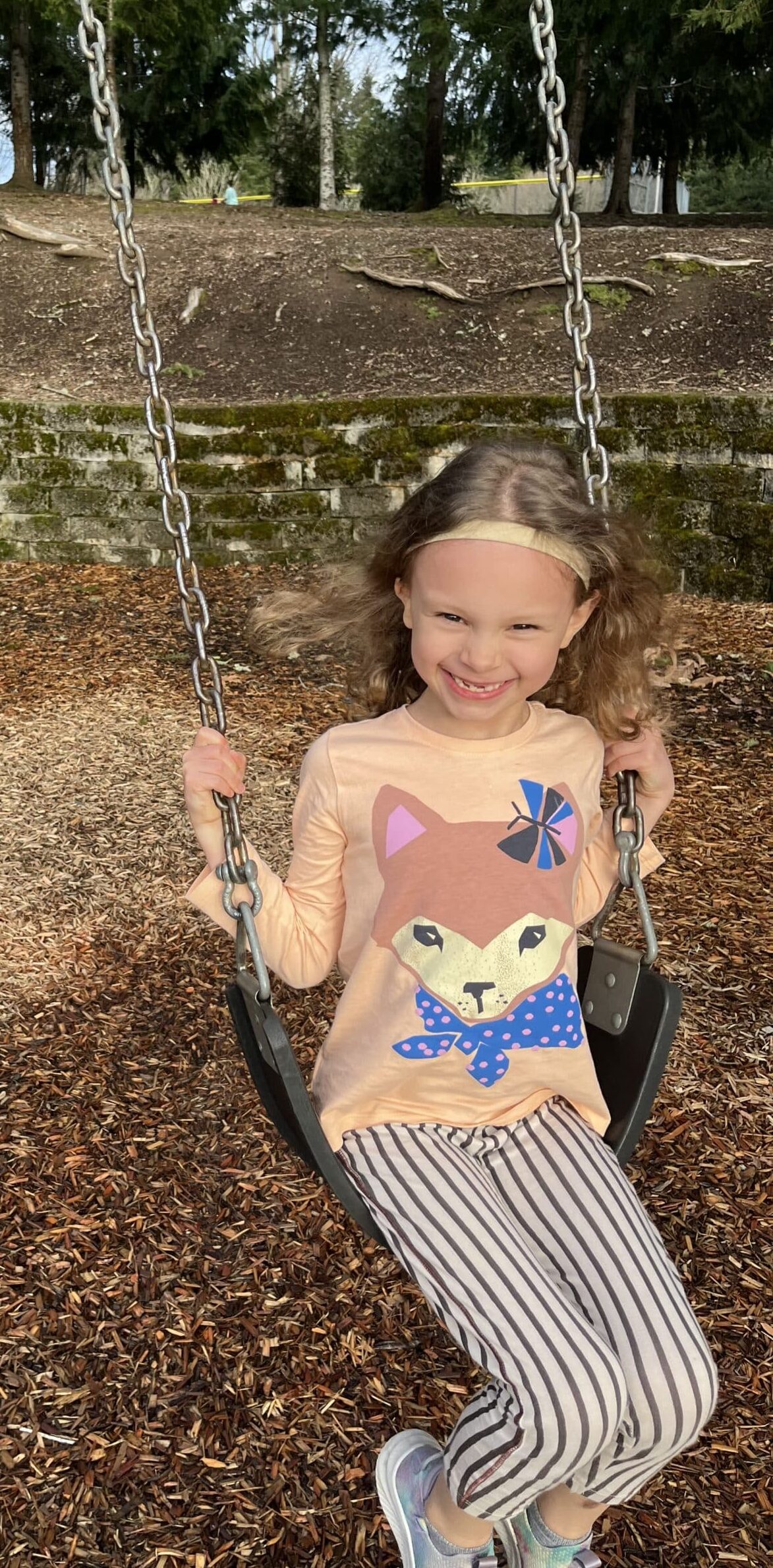
Adeline’s mother, Jessie, recalls the initial period following the diagnosis as a time of significant uncertainty. "Adeline had to work much harder to communicate and learn," Jessie notes. During her early years, Adeline faced difficulties localizing sound, leading to a tendency to retreat into "safe spaces" to avoid the sensory overload of group settings. The frustration of being misunderstood, compounded by the physiological toll of listening fatigue, necessitated a structured intervention plan.
Through her engagement with Listen and Talk, the family shifted from a position of confusion to one of advocacy. The intervention process occurred in three distinct phases:
- Early Intervention (Infancy to Age 3): Focus on diagnosis navigation, parent education, and the initial fitting of hearing technology.
- Skill Acquisition (Ages 3 to 5): Developing the self-advocacy skills necessary for Adeline to articulate her needs in social and educational settings.
- Integration (Kindergarten and Beyond): Successful transition into a public elementary school environment.
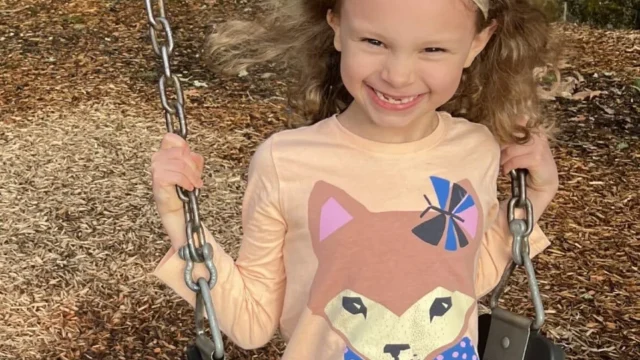
Today, Adeline is a thriving first-grader. Her ability to explain her hearing condition and her Ponto device to peers has transformed her relationship with her disability. She is currently a member of her school choir, a milestone that highlights the efficacy of LSL intervention in allowing children to pursue auditory-based extracurricular activities despite initial clinical limitations.
Broader Implications and Policy Recommendations
The success of the LSL model underscores a broader shift in pediatric audiology: the move away from a "wait-and-see" approach toward proactive, early support. Experts in the field argue that the economic and social costs of failing to address UHL early far outweigh the investment in speech therapy and audiological support.
Data suggest that early identification via universal newborn hearing screening (UNHS) is the most critical factor in long-term success. However, identification is only the first step. The ongoing support provided by institutions like Listen and Talk—which includes audiology testing, parent education, and specialized speech therapy—acts as the primary driver for narrowing the achievement gap between children with hearing loss and their peers.
For families currently navigating a diagnosis, experts recommend the following professional resources:
- Clinical Consultation: Engaging with LSL-certified specialists to design an Individualized Family Service Plan (IFSP) or an Individualized Education Program (IEP).
- Support Networks: Utilizing organizations like Washington Hands and Voices to connect with other families who have lived experience with microtia and atresia.
- Educational Advocacy: Understanding the legal rights of students with hearing loss under the Americans with Disabilities Act (ADA) and the Individuals with Disabilities Education Act (IDEA) to ensure appropriate accommodations in the classroom.
Conclusion: Sustaining the Future of Accessible Care
As National Microtia Atresia Awareness Day concludes, the emphasis remains on the sustainability of support services. Many organizations that provide these life-altering services operate as social impact enterprises, relying on community donations to fund audiology, therapy, and outreach programs.
The vision that "no child is limited by hearing loss" is not merely a goal, but a measurable outcome demonstrated by children who have received consistent, high-quality early intervention. By funding these programs, donors contribute to a cycle of empowerment that begins in infancy and carries through to academic and social success in adulthood. For families of children with microtia and atresia, the message is clear: while the diagnosis presents a unique set of challenges, the combination of advanced hearing technology and a robust LSL framework provides a clear path for children to achieve their full potential.