A Chronology of Early Intervention and Development
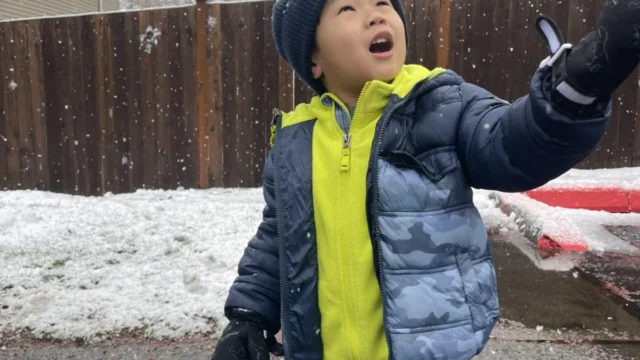
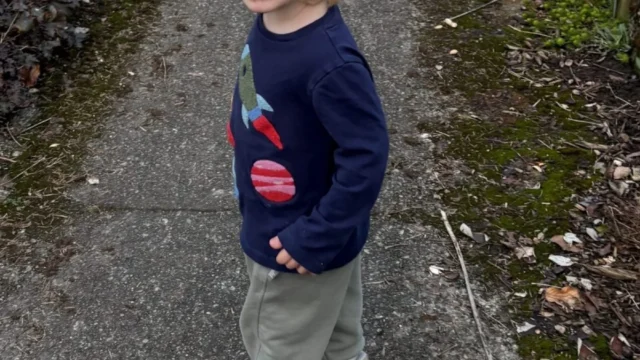
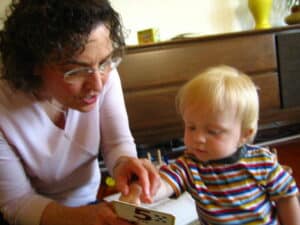
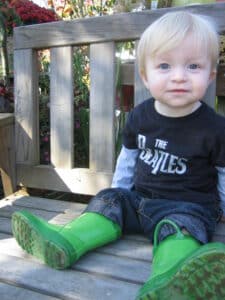
Wendorf’s association with Listen and Talk, a specialized program dedicated to the development of children who are deaf or hard of hearing, began when he was six months old. This early start proved to be a foundational element in his development. The program, which emphasizes auditory-verbal therapy and inclusive educational environments, provided Wendorf with the tools necessary to develop robust communication skills during his formative years.
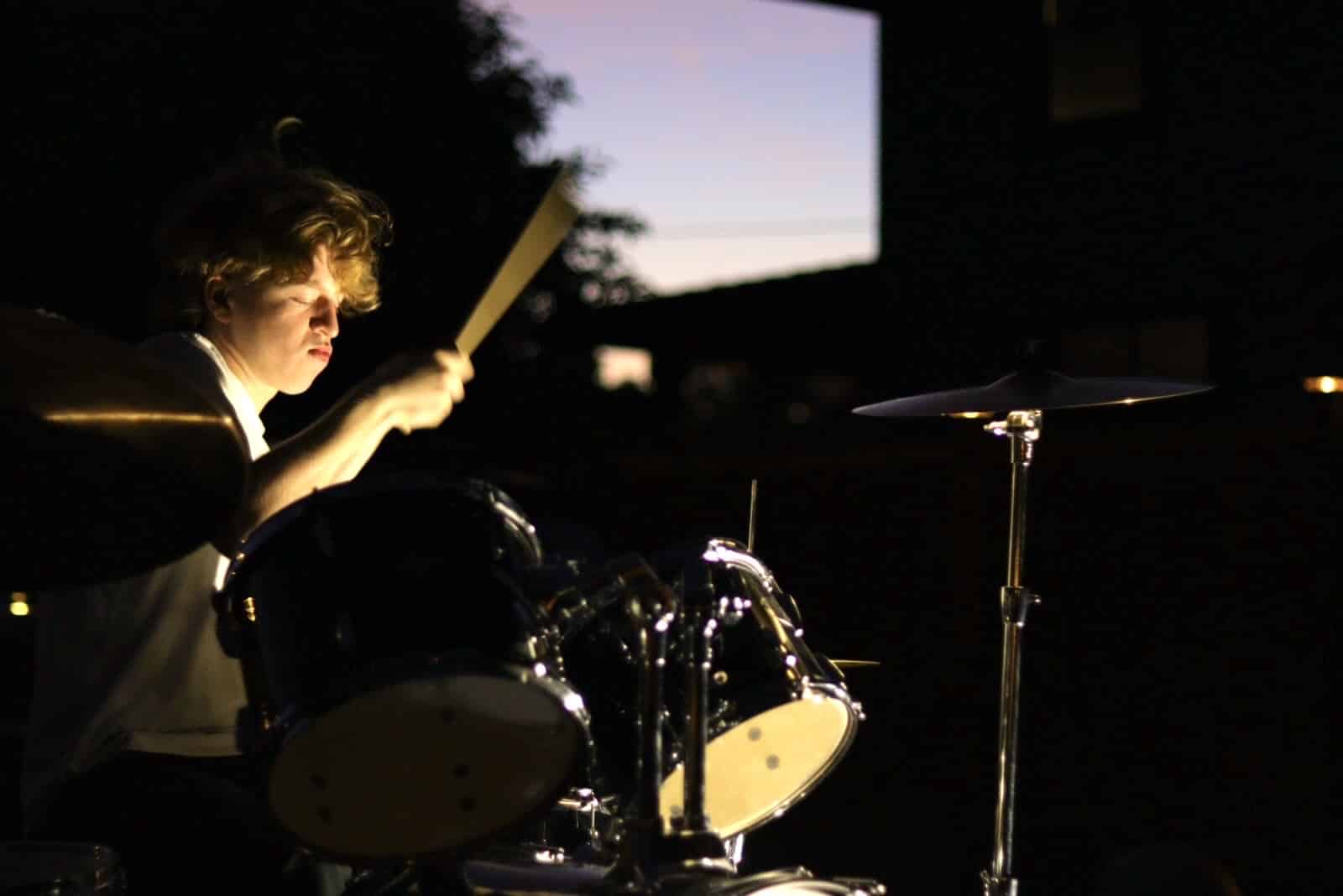
He continued his education through the organization’s Blended Classroom PreK program, an environment designed to integrate children with hearing loss into social and academic settings alongside their hearing peers. This period was instrumental in fostering the social-emotional intelligence and self-advocacy skills that would define his later life.
The trajectory of his health took a pivot at age 12, when his family received a diagnosis that explained the underlying etiology of his hearing loss. Genetic testing confirmed the presence of a GATA3 gene disorder, specifically known as Barakat Syndrome, or HDR syndrome. This rare genetic condition is clinically defined by a triad of symptoms: Hypoparathyroidism, sensorineural Deafness, and Renal disease. The diagnosis provided the Wendorf family with essential clarity regarding the medical complexities associated with his condition, allowing for more targeted long-term management and awareness.
Clinical Context: Understanding Barakat Syndrome
Barakat Syndrome is a rare autosomal dominant disorder caused by mutations in the GATA3 gene, which plays a pivotal role in the development of the parathyroid glands, the inner ear, and the kidneys. The medical community classifies the condition as part of a spectrum of genetic disorders that require multidisciplinary care.
According to data from the National Organization for Rare Disorders (NORD), the prevalence of HDR syndrome is relatively low, making early detection and intervention, such as that provided by Listen and Talk, vital for patient outcomes. Sensorineural hearing loss, which results from damage to the inner ear or the nerve pathways from the inner ear to the brain, is a hallmark of the condition. For children diagnosed with such genetic markers, the integration of speech-language pathology and audiological support—elements central to the Listen and Talk model—remains the gold standard for facilitating language acquisition and cognitive development.
Embracing the Performing Arts as a Catalyst for Growth
Beyond his clinical journey, Wendorf’s personal development has been characterized by a fearless approach to new challenges. His transition from a student in the Pacific Northwest to an aspiring professional in Los Angeles reflects a broader trend of individuals with hearing loss pursuing careers in fields traditionally seen as demanding for those with auditory barriers, such as the performing arts.
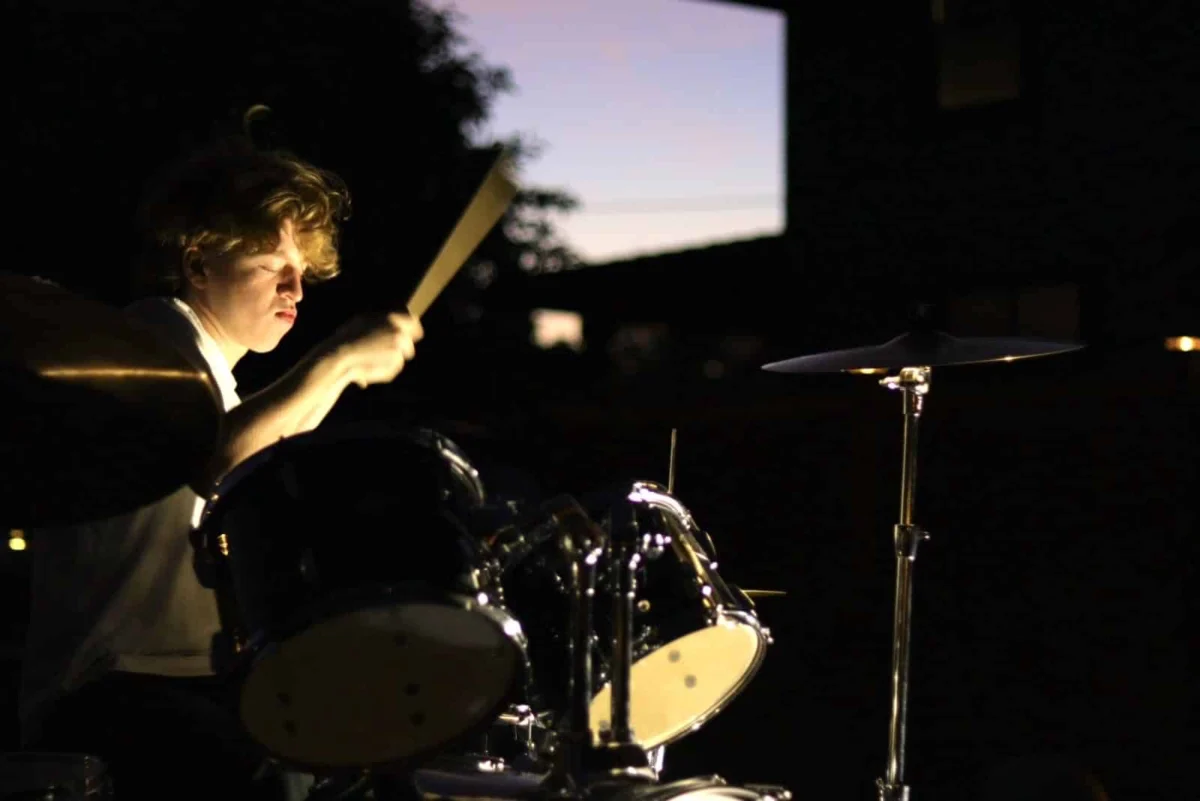
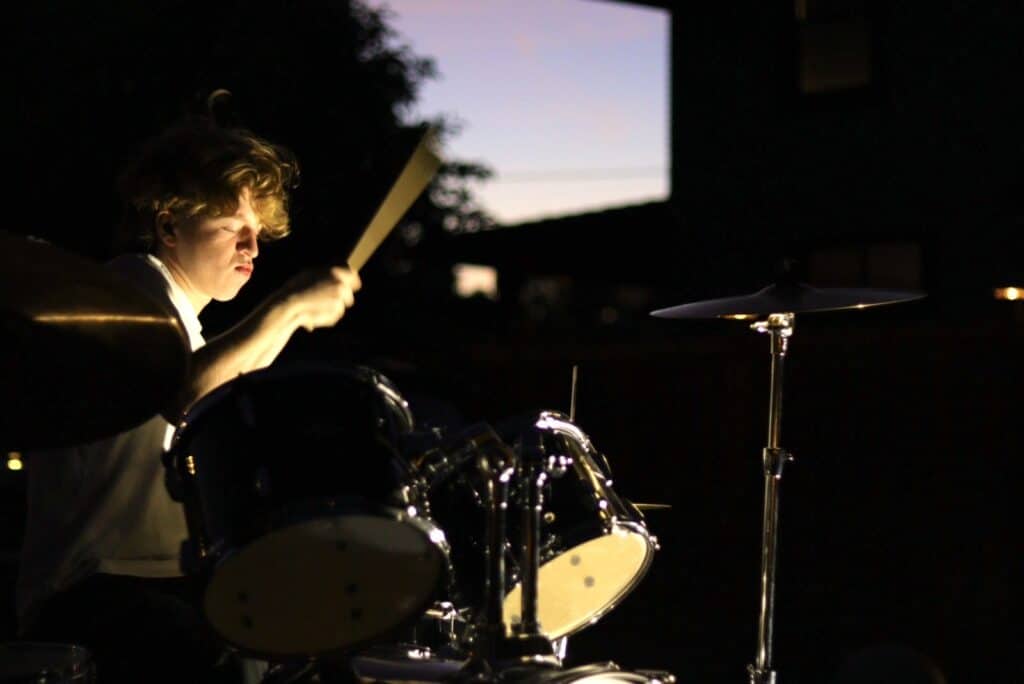
Wendorf’s interest in the arts began early, manifesting in a diverse range of extracurricular pursuits. He explored numerous athletic activities before finding his true calling in the performing arts. His experience in improv comedy and his subsequent success in securing lead roles in multiple stage productions indicate a high level of comfort with verbal performance and public speaking. Furthermore, his self-taught proficiency in both drums and guitar demonstrates a remarkable ability to process and replicate complex acoustic patterns, a skill that speaks to the efficacy of his early auditory training.
By graduating from Renton High School in June 2024 and relocating to Southern California, Wendorf is now focused on translating these diverse skills into a sustainable career. His experience highlights the importance of fostering self-confidence in young people who face systemic barriers, enabling them to pursue non-traditional career paths with the same rigor as their peers.
The Role of Advocacy and Institutional Support
The success of individuals like Wendorf is often predicated on the partnership between specialized educational institutions and supportive family units. Wendorf’s parents have been vocal about the role that Listen and Talk played in their son’s development. They credit the organization with instilling in him a "grounded sense of self" and providing the functional skills required to advocate for his needs in a hearing world.
From an organizational standpoint, Listen and Talk maintains that the primary objective of their mission is to ensure that "no child is limited by hearing loss." This philosophy is reflected in their Alumni Family Giving Campaign, which aims to secure the resources necessary to continue providing services to the next generation of families.
The implications of such programs extend far beyond the classroom. By providing children with the tools to communicate effectively, organizations like Listen and Talk create a ripple effect that influences the individual’s ability to participate in the workforce, engage in civic life, and contribute to the cultural landscape.
Broader Societal Implications
The case of Kai Wendorf offers a lens through which to examine the efficacy of specialized educational support for children with genetic hearing loss. In an era where educational inclusivity is a priority, the success of the Listen and Talk model serves as a case study for policymakers and educators.
- The Importance of Early Intervention: Data consistently demonstrates that early intervention—defined as services provided before the age of three—correlates with higher levels of linguistic and social development in children with hearing loss.
- Multidisciplinary Management: The identification of Barakat Syndrome underscores the need for a collaborative approach between geneticists, audiologists, and educators to address the holistic needs of the student.
- Redefining Potential: Wendorf’s foray into the arts challenges preconceived notions about the limitations of those with hearing loss. His ability to perform and thrive in a creative field suggests that with proper support, the barriers often associated with deafness can be effectively navigated.
As Wendorf continues his career in Los Angeles, he serves as a symbol of hope for families currently navigating the complexities of a new diagnosis. His perspective, that "there are others successfully pursuing their dreams too," resonates as a powerful message of community and shared resilience.
Conclusion: The Legacy of Support
The narrative of Kai Wendorf is not merely one of individual achievement; it is a reflection of the vital necessity of community-based support structures. By bridging the gap between clinical intervention and the pursuit of personal passion, programs like Listen and Talk provide the framework through which children can move beyond their diagnoses to define their own futures.
As the organization continues its fundraising efforts through the Alumni Family Giving Campaign, the focus remains on the sustainability of these services. For families across the country, the success of alumni like Wendorf provides an essential benchmark for what is possible when early intervention, family support, and individual determination converge. The future for Wendorf is, by all accounts, as vibrant as the arts career he is currently building, serving as a reminder that the ceiling for potential is often higher than traditional expectations might suggest.