A Timeline of Early Intervention
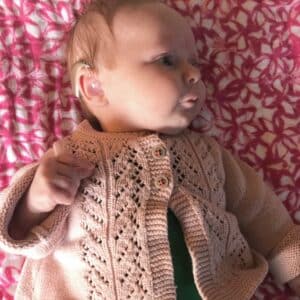
Marna’s clinical trajectory began shortly after birth, a period widely recognized by audiologists and pediatric specialists as the "golden window" for auditory development. Early intervention protocols recommend that hearing screenings occur within the first month of life, with diagnosis by three months and initiation of intervention services by six months. Marna’s experience adhered to these optimal benchmarks: she was fitted with her first set of hearing aids at just two months old.
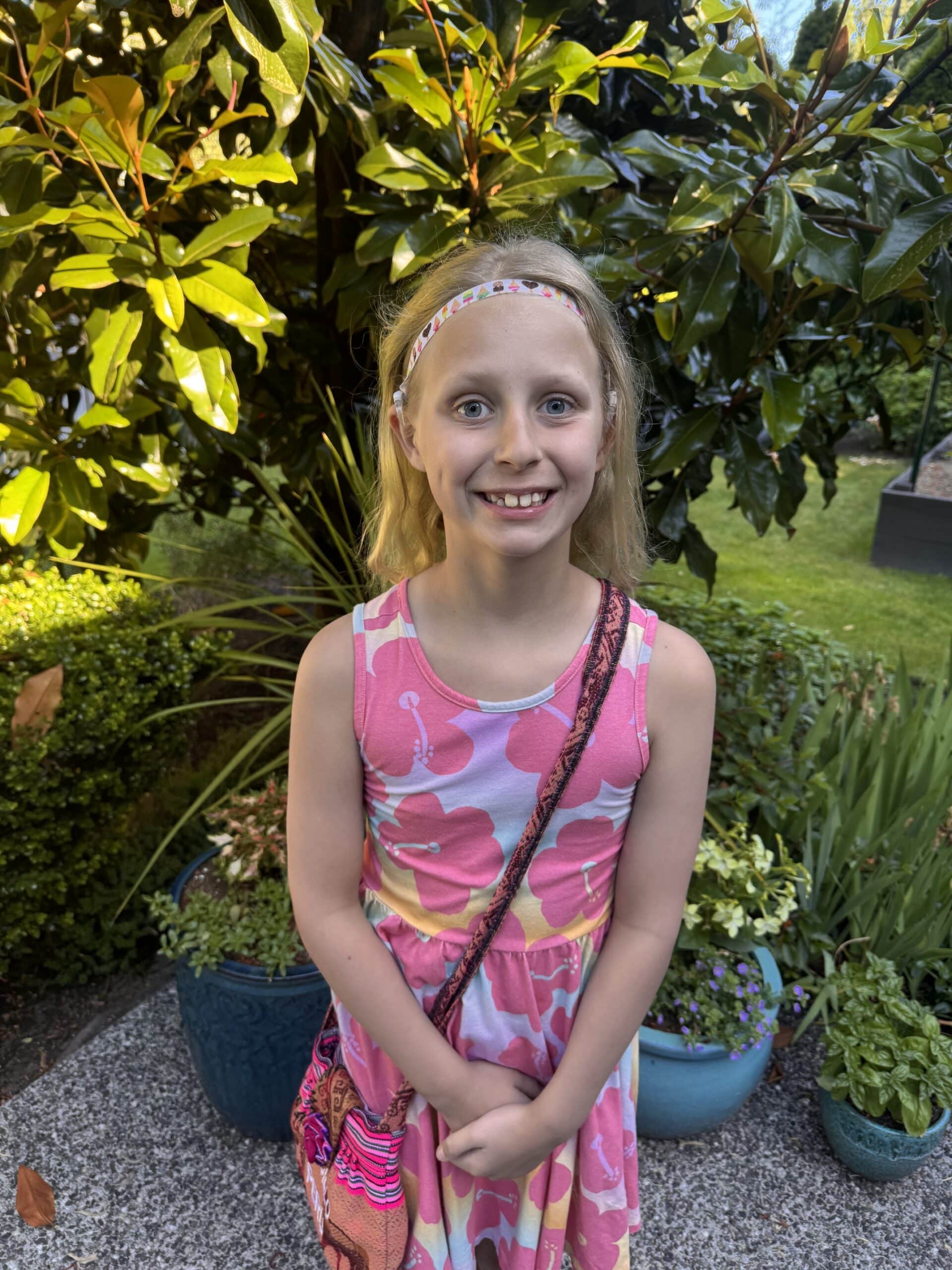
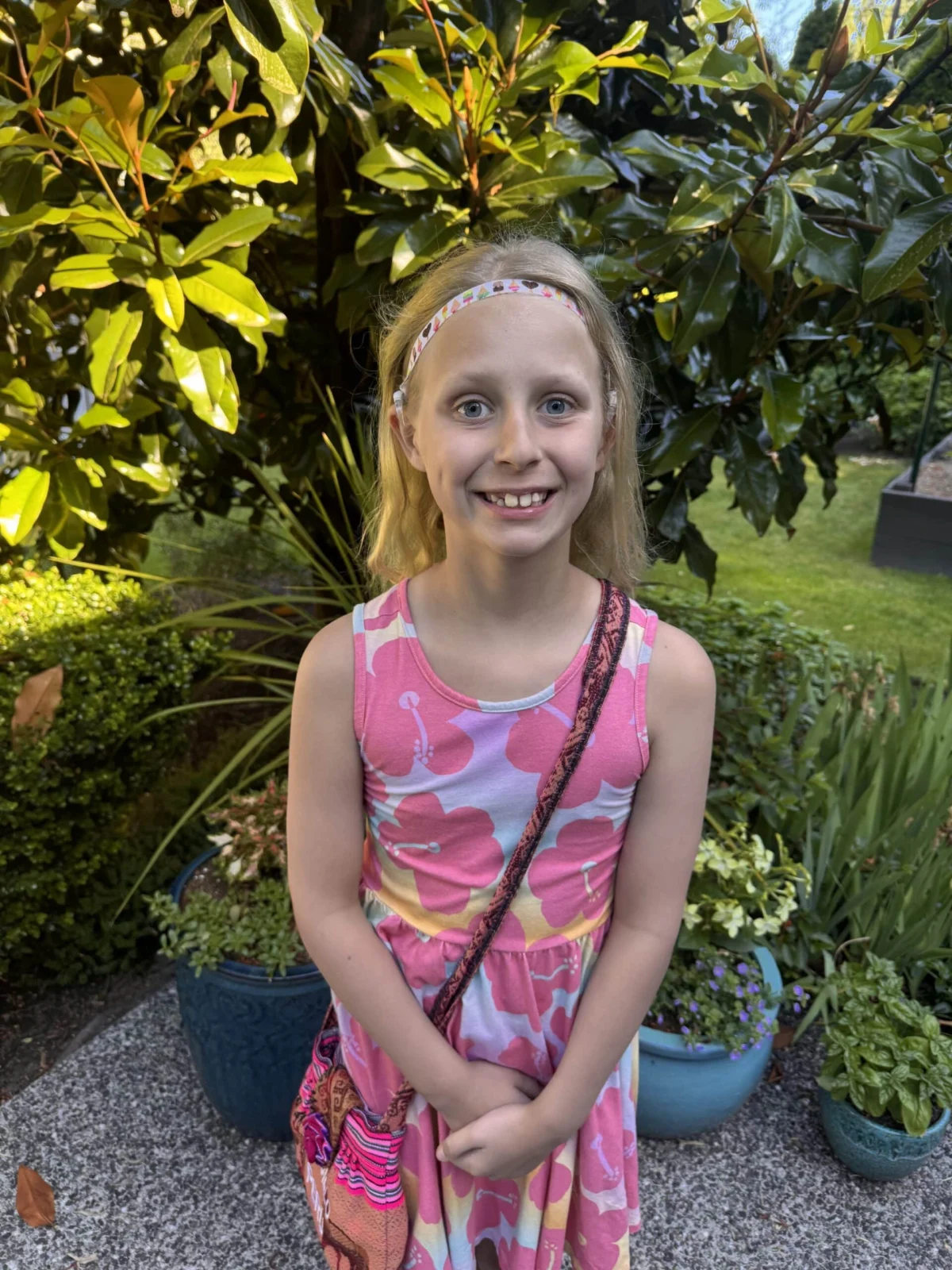
The transition to cochlear implants—surgically implanted electronic devices that provide a sense of sound to individuals who are profoundly deaf or severely hard of hearing—followed a structured timeline. At twelve months of age, Marna received her first cochlear implant. By age two, she was fitted with a second device to provide bilateral input, a configuration that studies suggest is crucial for sound localization and speech recognition in noisy environments. During this formative stage, the Klein family engaged with the "Birth-to-3" program at Listen and Talk. This program emphasizes home-based coaching, where clinicians work directly with parents to integrate listening and language-building strategies into daily routines, rather than relying solely on isolated clinical sessions.
The Role of Blended Educational Environments
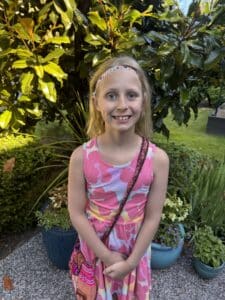
Following her initial developmental progress, Marna entered the Listen and Talk Blended Classroom program at age three. This educational model is designed to facilitate a seamless transition into mainstream schooling. By placing children with hearing loss in a setting with both neurotypical peers and peers with similar hearing challenges, the program fosters a dual-layered learning experience.
Pedagogical research into LSL-focused preschools indicates that these environments provide essential benefits, including specialized acoustic treatments in the classroom, reduced background noise, and the presence of teachers trained in speech-pathology-informed instruction. For Marna, the three-year duration of this program served as a training ground for self-advocacy. By the time she transitioned to her primary school, she possessed the foundational communication skills necessary to navigate a traditional classroom. Her parents note that this period was instrumental not only in her linguistic development but in the formation of her identity, allowing her to view her cochlear implants as tools for connection rather than limitations.
Statistical Context and the Impact of LSL
The success of programs like those provided by Listen and Talk is supported by a broader landscape of audiological data. According to the National Institute on Deafness and Other Communication Disorders (NIDCD), more than 90% of children born with hearing loss are born to hearing parents. This demographic reality underscores the necessity of parent-centered coaching, as families often require significant support to learn how to facilitate communication in an auditory-based environment.
Data consistently shows that children who receive cochlear implants and engage in intensive LSL therapy before the age of three show significantly higher rates of grade-level performance in reading and writing compared to those who receive intervention later. Marna’s own interests—which include a passion for reading and a high degree of extracurricular involvement in sports such as lacrosse, softball, and soccer—align with trends indicating that successful early intervention correlates with higher participation rates in social and athletic activities. By removing the ceiling on potential communication, these programs enable children to engage in the same wide-ranging interests as their hearing peers.
Institutional Advocacy and the Alumni Campaign
The current focus of the Listen and Talk organization is the 2026 Alumni Family Giving Campaign, an initiative aimed at ensuring the sustainability of these specialized services. The campaign serves as a mechanism for families who have moved through the system to contribute back to the pool of resources available for new families.
The organizational philosophy, summarized by the mission that "no child is limited by hearing loss," reflects a shift in modern medical and educational models from a deficit-based perspective to an empowerment-based approach. By showcasing alumni like Marna, the organization provides a roadmap for families currently grappling with a recent diagnosis. The campaign emphasizes that the investment in early years pays dividends in the form of increased independence and long-term societal integration for the children involved.
Societal Implications and Future Outlook
The broader implications of Marna’s success story touch upon the importance of universal newborn hearing screening (UNHS) programs. Without the initial screening, the window for effective auditory intervention would have likely closed, significantly altering her developmental trajectory. As technology for cochlear implants continues to advance—becoming more durable, more aesthetically discreet, and more efficient at processing complex sounds—the role of the educational institution becomes even more critical in helping children translate those sensory inputs into complex language and social interaction.
From an analytical standpoint, the success of the Listen and Talk model suggests that the future of deaf education lies in a blended approach. This involves integrating the latest in medical technology with robust, high-touch support services that prioritize the family unit. When parents are empowered with the skills to foster a language-rich environment, the child’s clinical progress is often accelerated. Marna’s ability to participate in high-intensity team sports—which require constant, rapid-fire auditory communication—is a testament to the fact that, with the right support, the gap between the deaf and hearing experience is narrowing.

A Call for Sustained Support
As Marna continues her development, her parents serve as vocal advocates for the continuation of these services. The Alumni Family Giving Campaign is not merely a fundraising endeavor; it is a community-building effort. By documenting the progress of children as they move from infancy to school age, the organization creates a feedback loop that validates the necessity of early investment.
For the public, the takeaway from the Klein family’s experience is clear: the cost of early intervention is high in terms of time and resources, but the societal return on investment is significant. When children are equipped to "live life at full volume," as Marna does, they contribute more effectively to their communities, demonstrate higher levels of resilience, and are better prepared to handle the challenges of a complex, sound-oriented world. The ongoing support for programs that facilitate this development remains a vital component of public health and educational equity. As the 2026 campaign progresses, the focus remains on ensuring that every child, regardless of their starting point, has access to the tools required to reach their full potential. The story of Marna Klein remains a cornerstone of this objective, illustrating that when the right systems are in place, the limitations of hearing loss become secondary to the limitless potential of the child.