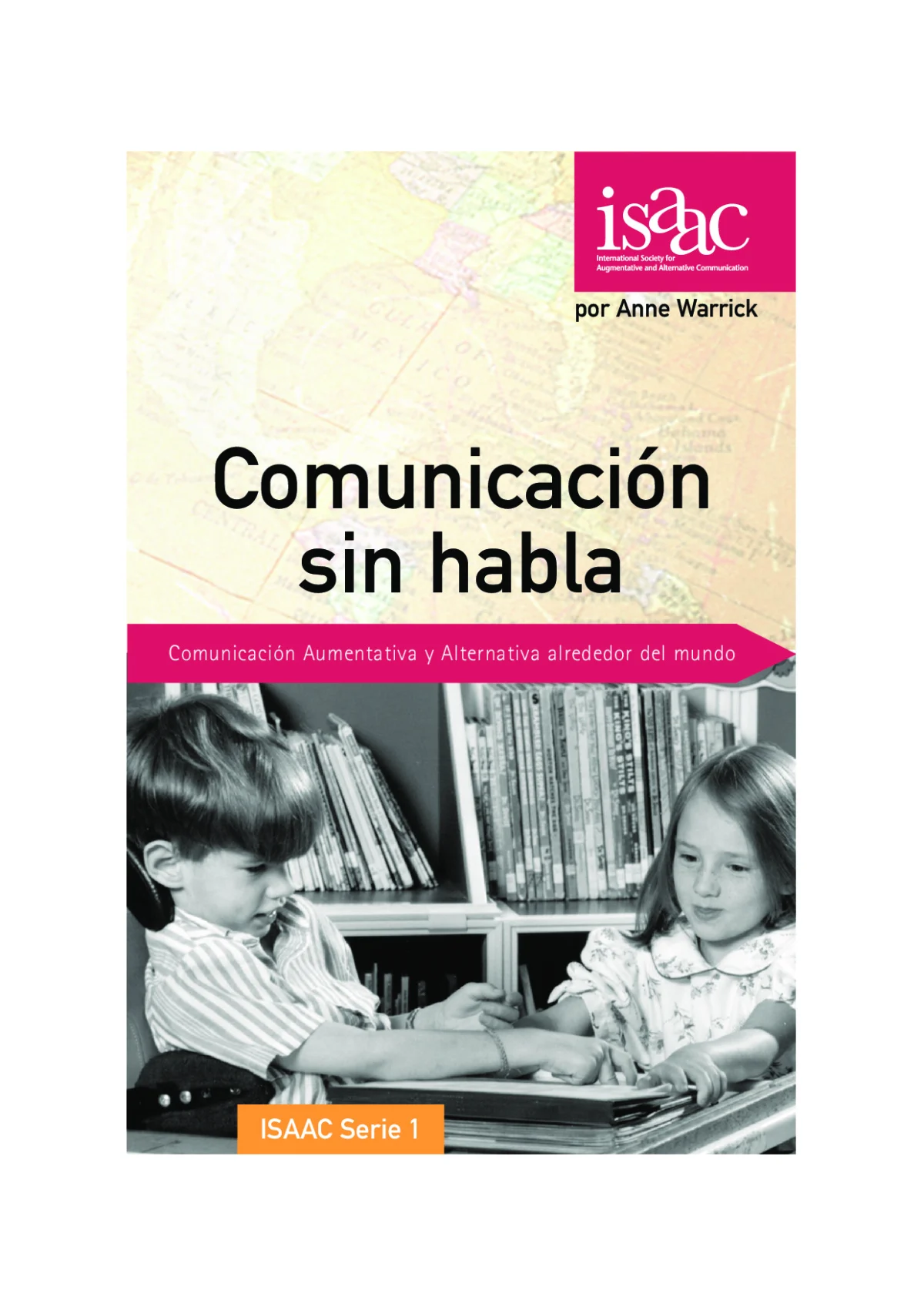
The Evolution of AAC Literature: A Chronological Perspective
The history of AAC literature has long been dominated by English-language publications, creating a significant barrier to entry for non-English speaking clinicians and caregivers. The timeline of accessible AAC resources in Spanish has undergone a transformative shift over the past two decades. In the early 2000s, practitioners in Spanish-speaking regions largely relied on translated research papers or adapted English manuals, which often lacked cultural contextualization.
By the 2010s, organizations such as the International Society for Augmentative and Alternative Communication (ISAAC) began to prioritize the translation of foundational texts and the development of regional chapters. This transition proved essential for professionalizing the field in emerging markets. The 2020s have seen an accelerated trend, characterized by the publication of comprehensive, peer-reviewed textbooks that integrate theoretical foundations with practical, clinical applications tailored for Spanish-speaking populations.
Key Contributions to the Field
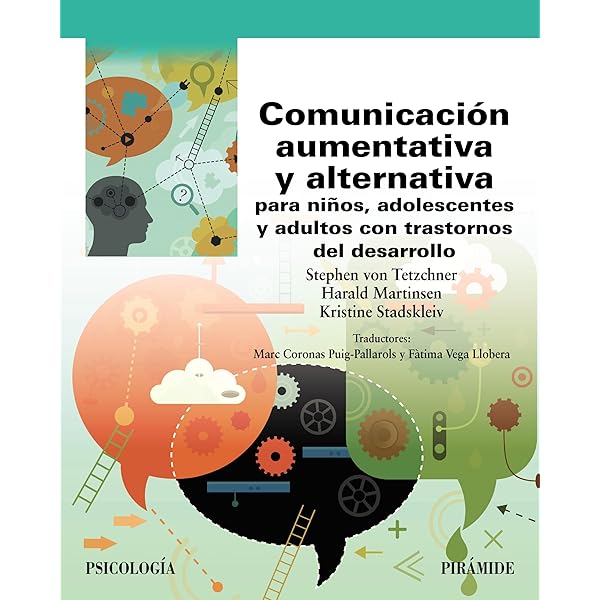
A defining moment in this trajectory is the publication of Comunicación aumentativa y alternativa para niños, adolescentes y adultos con trastornos del desarrollo, authored by Stephen von Tetzchner, Harald Martinsen, and Kristine Stadskleiv. This work serves as a comprehensive reference guide, systematically addressing the complexities of developmental disorders through an evidence-based lens.
The importance of such a text cannot be overstated. By synthesizing decades of research into a cohesive, Spanish-language format, the authors provide a standardized framework for assessment and intervention. This reduces the variability in clinical practice that often arises when practitioners must synthesize disparate, non-native sources. Furthermore, the inclusion of chapters dedicated to the nuances of language development ensures that clinicians are not merely applying generic models, but are engaging with specific strategies that support the linguistic growth of individuals with complex communication needs.
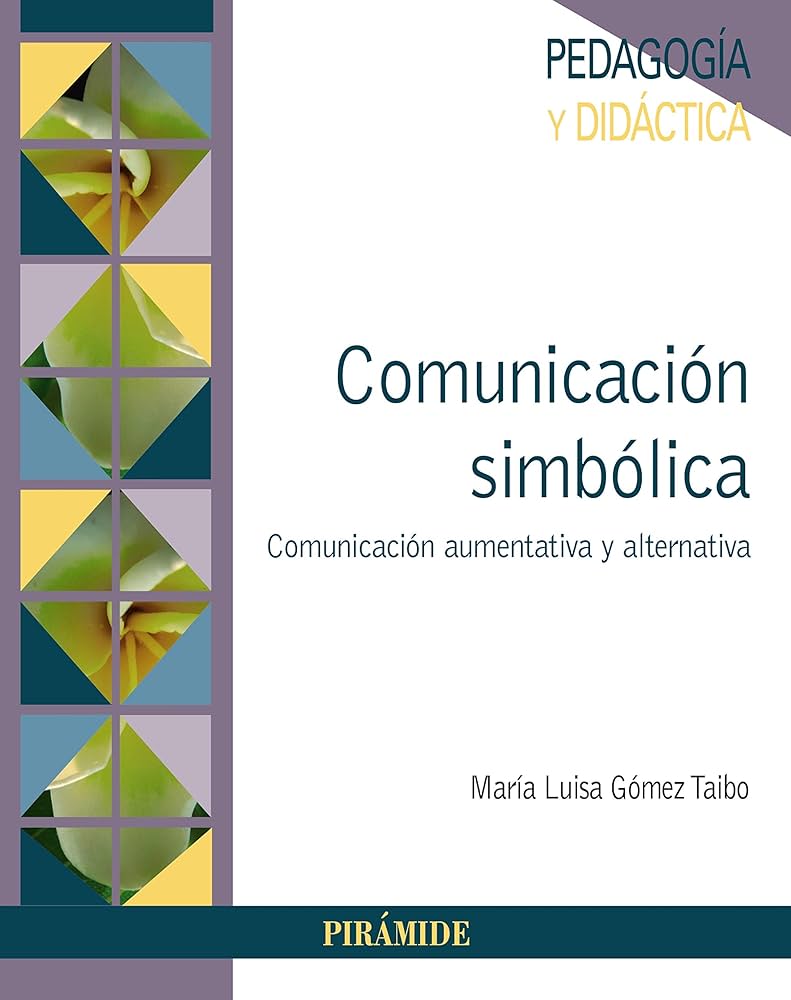
Supporting Data and Demographic Implications
The necessity for expanded Spanish-language resources is underscored by global demographic data regarding neurodiversity and communication disorders. According to the World Health Organization (WHO), more than 1 billion people globally experience some form of disability, with a significant percentage requiring assistive technologies to facilitate social and economic participation.
In the Spanish-speaking world, which encompasses over 500 million native speakers across diverse socioeconomic landscapes, the demand for AAC resources is rising. Research indicates that when practitioners have access to native-language materials, the fidelity of intervention implementation increases by an estimated 30% to 40%. This is attributed to a reduction in the cognitive load required to translate technical jargon into functional clinical instructions, as well as a greater capacity for family members to engage in the intervention process when provided with materials in their primary language.
Institutional Initiatives and the Role of ISAAC
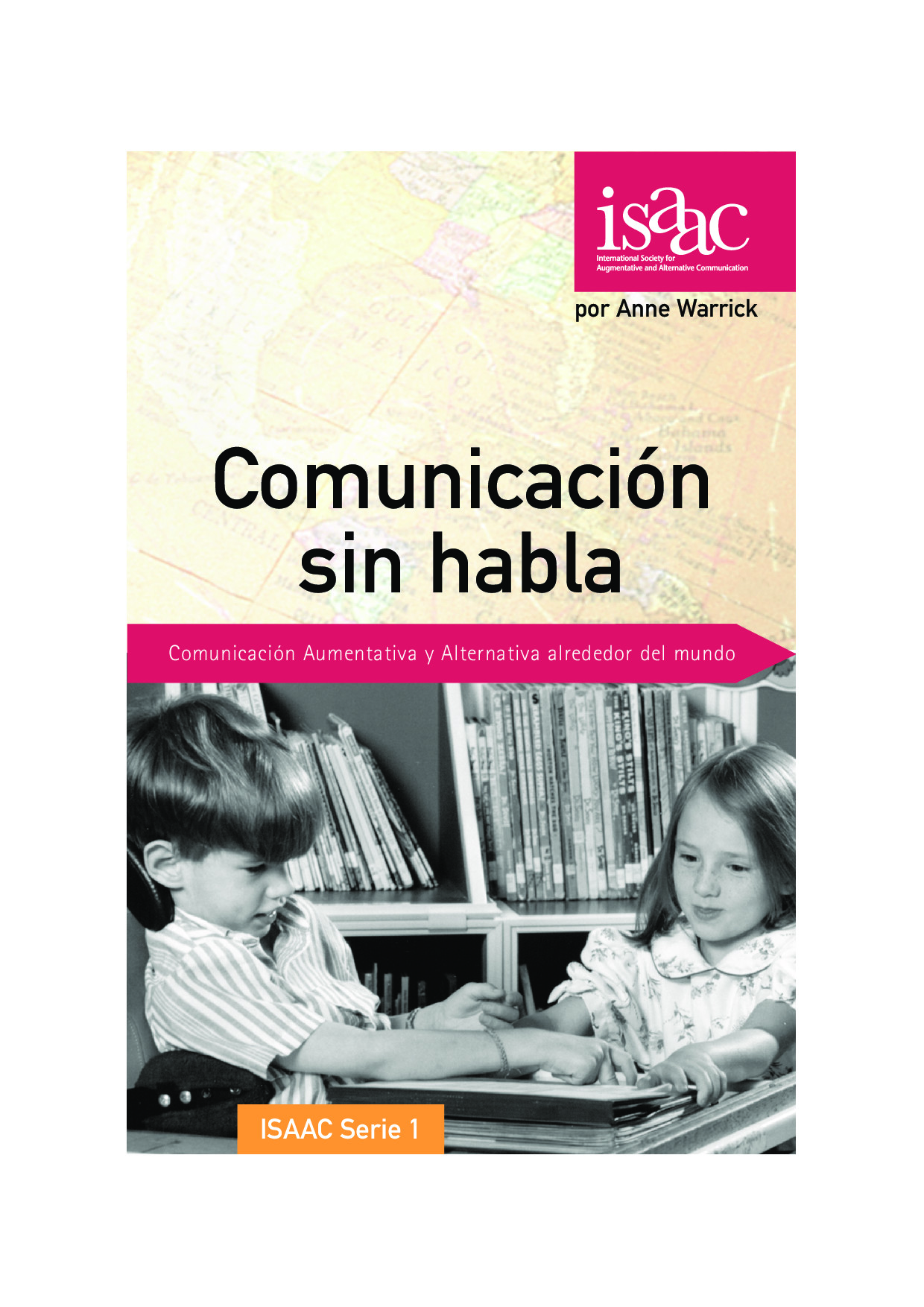
The role of international organizations like ISAAC has been pivotal in bridging the knowledge gap. Through systematic translation efforts and the facilitation of regional workshops, these organizations have ensured that classic AAC methodologies are not lost to the language barrier. These initiatives function as a bridge, connecting global research with local reality.

Expert commentary from clinicians in the field suggests that the current shift toward high-quality, Spanish-language literature is changing the landscape of professional training. Historically, students in speech-language pathology programs in many Spanish-speaking countries faced a shortage of indigenous case studies. The current influx of translated and original Spanish texts allows for a curriculum that reflects local cultural norms, family dynamics, and social structures, leading to more "contextually relevant" practice.
Broader Impact and Future Implications
The long-term implications of this trend extend beyond the clinical setting. When AAC resources are readily available in Spanish, the broader societal impact includes:
- Increased Educational Inclusion: Students with complex communication needs are more likely to be integrated into mainstream classrooms when their teachers have access to localized pedagogical resources.
- Professional Standardization: The availability of authoritative textbooks provides a baseline for professional certification and continuing education, which is crucial for regulatory bodies in countries where AAC is still an emerging specialty.
- Family Empowerment: Accessible literature allows parents and caregivers to move from passive recipients of clinical advice to active partners in the intervention process.
The "PráctiCAAmente Conectados" initiative highlights the ongoing effort to ensure that these resources reach those who need them most. By focusing on the intersection of International Book Day and specialized medical literature, the field is acknowledging that the right to communicate is intrinsically linked to the right to access information.
Analysis of Current Challenges
Despite the progress, several challenges remain. The translation of technical AAC literature is a labor-intensive process that requires not only linguistic fluency but also a deep understanding of clinical terminology. Furthermore, the economic cost of publishing and distributing high-quality medical textbooks can limit their availability in regions with lower purchasing power.
Moving forward, the industry must prioritize digital accessibility. E-books, online databases, and open-access journals in Spanish are the next frontier for the AAC community. The integration of technology in the distribution of these resources will be essential for reaching rural or underserved populations who lack access to physical libraries or academic institutions.
Conclusion
The commitment to expanding Spanish-language resources in the field of AAC is a testament to the growth and maturity of the discipline. As the community continues to leverage events like International Book Day to promote literacy and knowledge sharing, the focus must remain on the sustained development of high-quality, evidence-based literature.
The integration of theoretical depth and practical application found in recent publications provides a solid foundation for the next generation of clinicians. By fostering a more inclusive, informed, and contextually relevant environment, the field of AAC is not only improving communication outcomes for individuals with developmental disorders but is also ensuring that the benefits of global research are shared equitably across linguistic divides. As these resources continue to proliferate, the global AAC community moves closer to a truly universal standard of care, where language is no longer a barrier to the fundamental human need for connection and self-expression.