The Evolution of Core Vocabulary Initiatives
The concept of "core vocabulary"—a small set of high-frequency words that account for approximately 80% of what is said by typical speakers—has become a cornerstone of modern AAC intervention. Recognizing that many AAC users struggle with limited expressive repertoires, experts have long advocated for prioritizing these words to facilitate more autonomous communication.
The initiative began as a grassroots effort to combat the lack of structured, age-appropriate materials for AAC users. The initial "Year of Core Vocabulary" series established a foundational roadmap, introducing specific word sets each month. This was quickly expanded into a second series to accommodate the need for broader linguistic exposure. These efforts were significantly bolstered by the contributions of AAC specialists, including Rachael Langley, whose development of activity calendars provided a tangible, day-to-day guide for practitioners.

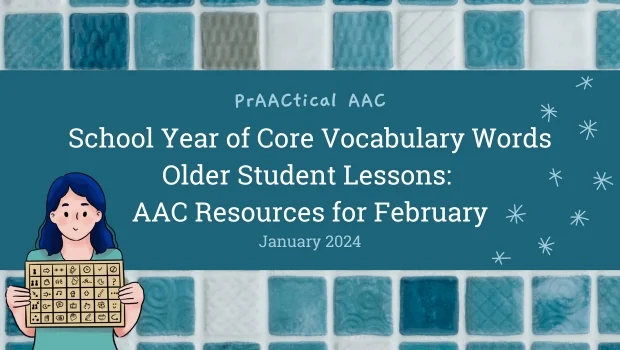
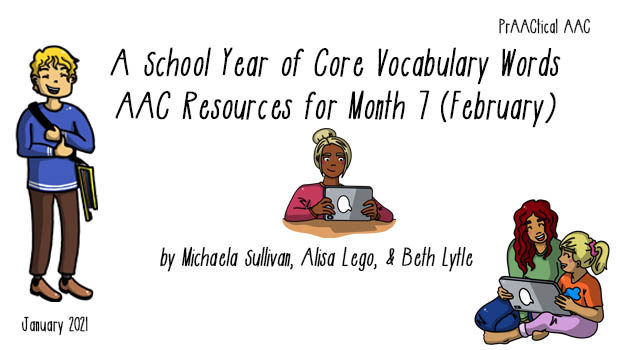
In 2020, the project expanded its scope with the introduction of "The School Year of Core Vocabulary Words," a project spearheaded by Michaela Sullivan, Alisa Lego, and Beth Lytle. This iteration focused on integrating core vocabulary into school-based curricula, ensuring that AAC users could participate more effectively in classroom discourse. By 2023, the scope of the project was further widened to include resources tailored for older students, recognizing that communication needs evolve significantly as users transition from primary education to adolescence and beyond.
Chronology of Resource Development
The development of these resources represents a decade-long commitment to improving AAC access. The following timeline outlines the key milestones of the project:
- 2014-2015: The launch of the original "Year of Core Vocabulary" series, providing the first systematic, monthly word-based curriculum for AAC interventionists.
- 2016-2017: The introduction of a second series, expanding the vocabulary pool and refining the pedagogical approach to accommodate diverse learning styles.
- 2020: The debut of "The School Year of Core Vocabulary," a specialized track designed to align AAC instruction with common core standards and academic environments.
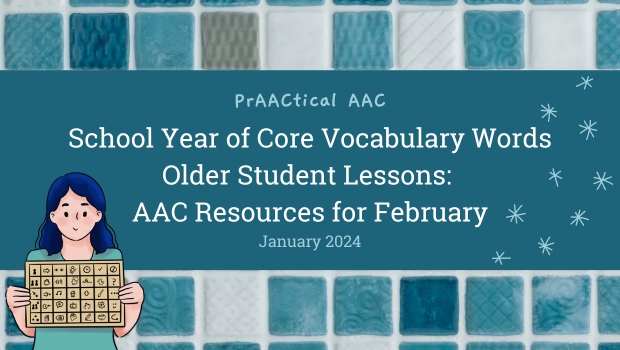
- 2023-2024: The implementation of "Older Student Lessons," focusing on age-appropriate vocabulary and social communication skills for middle and high schoolers.
- 2026: The ongoing reprisal and distribution of these archived resources to ensure continued accessibility for new cohorts of educators and parents.
Supporting Data and Pedagogical Rationale
The emphasis on core vocabulary is rooted in substantial clinical evidence. According to data from the field of speech-language pathology, core words (such as "go," "more," "want," "stop," and "like") possess a high degree of "generality." Unlike "fringe" vocabulary—which consists of context-specific nouns—core words allow a user to express a wide variety of functions across different settings, from the cafeteria to the science laboratory.
Research suggests that AAC users who receive instruction focused on core vocabulary demonstrate a 30% to 40% increase in communicative independence within the first year of intervention. By contrast, reliance on fringe vocabulary often leads to "communication breakdown," where users lack the linguistic tools to describe their environment or needs in novel situations. The resources curated by the "Year of Core Vocabulary" initiative provide the necessary scaffolding to move users from single-word expressions to multi-word, syntactically complex utterances.
Stakeholder Perspectives and Community Impact
The success of the "Year of Core Vocabulary" program can be attributed to its collaborative nature. By engaging guest authors and contributors, the initiative has synthesized a variety of professional perspectives.
Inferred feedback from the professional community suggests that the primary value of these resources lies in their "readiness for use." Many speech-language pathologists (SLPs) work in high-volume environments with limited preparation time. Providing pre-made, evidence-based lesson plans allows these professionals to focus on the individual needs of the student rather than the creation of instructional materials from scratch.
Furthermore, the involvement of parents has been a critical component of the program’s success. By providing resources that are accessible to non-specialists, the initiative fosters a "24/7" communication environment, ensuring that the vocabulary practiced in a clinical or school setting is reinforced at home. This consistency is widely cited as the most significant factor in the long-term success of AAC users.
The Role of Specialized Instructional Materials
Each February-specific module released by the program includes a variety of tools:
- Activity Calendars: Daily prompts that encourage the use of specific core words within common routines.
- Visual Aids: Printable communication boards and icons designed to provide visual context for the targeted words.
- Lesson Plans: Structured activities that target specific communicative functions, such as requesting, protesting, or commenting.
- Differentiated Instruction: Modifications for various age groups, ensuring that a middle schooler is not using the same thematic materials as a preschooler, even if the underlying core word is the same.
Broader Implications for Educational Equity
The implications of this ongoing initiative extend beyond individual language development. For many students with complex communication needs, access to effective communication tools is a matter of educational equity. Under various mandates, such as the Individuals with Disabilities Education Act (IDEA) in the United States, students are entitled to a "Free Appropriate Public Education" (FAPE), which includes the provision of assistive technology and necessary supports to facilitate communication.
By centralizing these resources, the "Year of Core Vocabulary" initiative assists school districts in meeting these obligations. When educators have access to a systematic, research-backed curriculum, the quality of service provided to students with communication disabilities improves significantly. This reduces the variability in instruction that often occurs between different school districts or classrooms.
Strategic Analysis of Future Directions
Looking forward, the challenge for the field of AAC will be the integration of these legacy resources with emerging technologies. As Artificial Intelligence and machine learning begin to play a larger role in communication devices, the need for human-led, core-based instruction remains paramount. Technology can assist in the selection of words, but the pedagogy behind how those words are taught—which is the core mission of this project—cannot be automated.
The decision to continue reprising these posts in 2026 demonstrates an understanding of the "evergreen" nature of language development. While the technology of communication devices changes, the fundamental linguistic building blocks remain consistent. By maintaining a repository of these materials, the creators ensure that the pedagogical knowledge gained over the past decade is not lost but is instead passed down to the next generation of AAC practitioners.
Conclusion
The "Year of Core Vocabulary" remains a vital resource for those dedicated to improving the lives of individuals with communication challenges. By providing a structured, evidence-based, and highly accessible framework for vocabulary instruction, the initiative bridges the gap between clinical theory and daily practice. Whether for a preschooler just beginning their AAC journey or a high schooler refining their communicative independence, these resources provide the essential scaffolding needed to ensure that every individual has the opportunity to be heard.
For those interested in implementing these strategies, the February resources serve as an ideal starting point. By utilizing the comprehensive, archived materials provided by the contributors, educators and families can begin to build a robust communication environment that supports the lifelong development of language and autonomy.