
As the global population ages, the prevalence of neurodegenerative diseases has become a paramount concern for public health officials. In the United States alone, approximately 6.7 million individuals are currently living with Alzheimer’s disease, a number projected to rise sharply as the "Baby Boomer" generation enters late senescence. However, recent scientific consensus suggests that cognitive decline is not an inevitable consequence of aging. Emerging data indicates that nearly 40% of Alzheimer’s cases may be attributable to modifiable risk factors, with cardiovascular health emerging as a primary pillar of prevention.
The San Antonio Study: A Longitudinal Framework
The research conducted by UT Health San Antonio analyzed a cohort of 402 individuals from the San Antonio area. This group was uniquely bi-ethnic, consisting of 52% Hispanic participants and 48% non-Hispanic white participants. The mean age of the cohort during the midlife assessment was 57.9 years, with women representing 58.5% of the total group. By tracking these individuals over an extended period, researchers were able to observe the transition from midlife health status to late-life cognitive performance.
This study drew its data from two landmark research initiatives: the San Antonio Heart Study (SAHS) and the San Antonio Longitudinal Study of Aging (SALSA). The SAHS was a foundational project launched in 1979 to investigate the high rates of Type 2 diabetes and cardiovascular disease in South Texas. For over two decades, it followed more than 5,000 people, providing a massive repository of health data. SALSA subsequently emerged as an offshoot of the heart study, shifting the focus toward chronic diseases and the mechanics of healthy aging.
By utilizing participants who were enrolled in both studies, the UT Health San Antonio team was able to create a direct link between midlife physiological metrics and cognitive outcomes decades later. The inclusion of both ethnic groups from the same geographic and socioeconomic environment allowed for a "shared contextual framework," which researchers say is essential for identifying disparities in cognitive aging without the confounding variables of disparate regional healthcare access.
Ethnic Disparities in Cardiovascular and Brain Health
One of the most striking aspects of the study is the divergence in how specific health factors influenced different populations. Among Hispanic participants, physical activity was the strongest predictor of slower cognitive decline. Conversely, for non-Hispanic white participants, lower fasting blood glucose levels in midlife were more closely associated with preserved thinking abilities in later years.
These findings are particularly relevant given the disproportionate burden of dementia carried by the Hispanic community. Statistics show that roughly 14% of Hispanic adults aged 65 or older currently have Alzheimer’s, compared to 10% of their non-Hispanic white counterparts. Furthermore, Mexican Americans—the largest Hispanic subgroup in the United States—experience significantly higher rates of obesity, diabetes, and dyslipidemia. These metabolic conditions are known to damage the vascular system, which in turn compromises the brain’s blood supply and accelerates the accumulation of amyloid plaques and tau tangles associated with Alzheimer’s.
Dr. Claudia Satizabal, associate professor at the Glenn Biggs Institute for Alzheimer’s and Neurodegenerative Diseases and co-senior author of the study, emphasized that improving cardiovascular health through modifiable lifestyle changes has the potential to alleviate the public health burden of dementia, particularly in high-risk populations. The research suggests that a "one-size-fits-all" approach to prevention may be less effective than culturally tailored interventions that address the specific risk profiles of different ethnic groups.
The Life’s Simple 7 Framework
To quantify cardiovascular health, the research team employed the American Heart Association’s "Life’s Simple 7" (LS7) framework. This metric is a validated tool used to assess heart health through seven distinct components, divided into behavioral and biological factors.
The behavioral factors include:
- Healthy Diet: Consumption of fruits, vegetables, whole grains, and lean proteins while minimizing sodium and sugar.
- Physical Activity: Engaging in regular moderate-to-vigorous exercise.
- Smoking Status: Avoiding tobacco products and exposure to secondhand smoke.
The biological factors include:
- Blood Pressure: Maintaining levels below 120/80 mmHg.
- Body Mass Index (BMI): Keeping weight within a healthy range relative to height.
- Total Cholesterol: Managing lipid profiles to prevent arterial clogging.
- Fasting Blood Glucose: Monitoring blood sugar levels to prevent insulin resistance and diabetes.
The UT Health San Antonio study utilized LS7 scores to provide an overall measure of cardiovascular health. While previous research has linked high LS7 scores to better cognitive performance, this new analysis provides a more granular look at which specific components of the LS7 framework carry the most weight for different demographic groups.
Measuring Cognitive Change and Statistical Rigor
Cognitive function was not measured at a single point in time but was instead tracked through multiple assessments using the Mini-Mental State Examination (MMSE). The MMSE is a widely recognized 11-question screening tool that tests various cognitive domains, including orientation to time and place, immediate and delayed word recall, attention, calculation, and language skills. Participants in the study underwent this examination as many as four times over the years.
To ensure the accuracy of their findings, the researchers utilized generalized estimating equation models. These statistical tools allowed the team to account for variables such as age, sex, income, and education level, ensuring that the observed link between cardiovascular health and cognition was not simply a byproduct of socioeconomic status.
Furthermore, the team conducted sensitivity analyses to account for "attrition bias." In long-term longitudinal studies, there is always a risk that the people who drop out of the study (often due to illness or death) are different from those who remain, which can skew results. By performing these extra checks, the researchers confirmed that the relationship between midlife exercise/glucose and cognitive decline remained robust.
Analysis of Physical Activity and Glucose Impact
The specific link between physical activity and cognitive health in Hispanic participants highlights the protective nature of movement. Exercise increases cerebral blood flow, stimulates the release of neurotrophic factors like BDNF (brain-derived neurotrophic factor), and reduces systemic inflammation. For a population with higher baseline risks for metabolic syndrome, the "buffer" provided by physical activity appears to be a critical defense against the neurodegenerative process.
On the other hand, the finding that fasting blood glucose levels were a primary driver of cognitive decline in non-Hispanic white participants underscores the neurotoxic effects of chronic hyperglycemia. High blood sugar can lead to the formation of advanced glycation end-products (AGEs) and oxidative stress, both of which damage the blood-brain barrier and promote neuroinflammation. The study found that fasting glucose readings of 126 milligrams per deciliter or lower—the threshold for a diabetes diagnosis—were significantly associated with slower cognitive aging in this group.
Dr. Janette Vazquez, the study’s first author and a senior postdoctoral fellow at the Glenn Biggs Institute, noted that while these results are compelling, they require replication in larger samples. "Our findings suggest that engaging in any level of physical activity and potentially maintaining optimal fasting blood glucose levels in midlife are associated with a significantly slower rate of cognitive decline in late life," Vazquez stated. She added that the longitudinal exploration of these factors throughout a person’s life, rather than at a single snapshot in time, provides a much clearer picture of how different ethnicities experience the aging process.
Broader Implications for Public Health and Future Research
The implications of this study extend far beyond the laboratory. As healthcare systems grapple with the rising costs of dementia care—estimated to reach $1.1 trillion globally by 2050—prevention strategies focused on midlife health could provide a high return on investment. If public health campaigns can successfully encourage physical activity in Hispanic communities and more aggressive glucose monitoring in white populations during their 40s and 50s, the incidence of late-life dementia could be meaningfully reduced.
The research also highlights the ongoing need for diversity in clinical trials and observational studies. For decades, medical research was conducted primarily on non-Hispanic white populations, leading to a gap in understanding how diseases progress in minority communities. The UT Health San Antonio team’s focus on the South Texas population helps bridge this gap, providing data that is representative of the changing demographics of the United States.
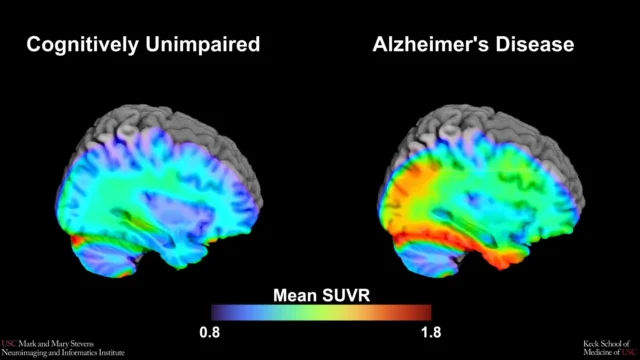
Looking forward, the participants from this study are being invited to join the San Antonio Heart and Mind Study (SAHMS) at the Glenn Biggs Institute. This next phase of research will utilize state-of-the-art brain imaging, including MRI and PET scans, as well as advanced neurological biomarkers. These tools will allow scientists to see exactly how midlife cardiovascular health correlates with physical changes in the brain’s structure and the presence of Alzheimer’s-related proteins.
By identifying the specific levers of health that matter most for different people, the medical community moves closer to a model of "precision prevention." This study serves as a reminder that the choices made in middle age—whether it is taking a daily walk or managing blood sugar—are not just investments in heart health, but are fundamental to preserving the mind for the decades to come.