A Chronology of Early Intervention and Development
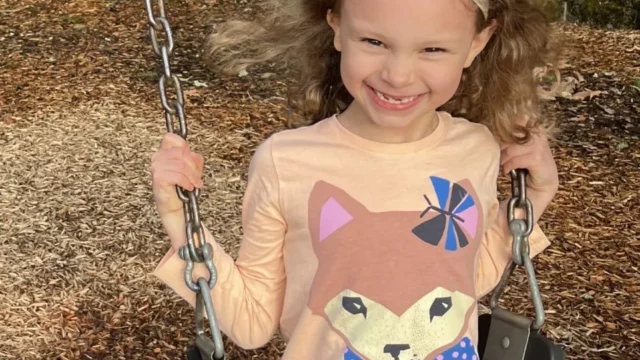
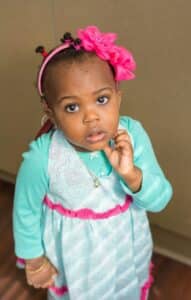
Amalia’s medical journey began in infancy, a period recognized by pediatric audiologists as the most vital phase for language acquisition. Diagnosed with sensorineural hearing loss shortly after birth, Amalia received cochlear implants at ten months of age. This specific timeframe aligns with the clinical consensus that cochlear implantation before the age of twelve months—or as close to the onset of hearing loss as possible—significantly improves the likelihood of children developing speech and language skills on par with their hearing peers.
Following her surgery, Amalia was enrolled in the "Birth to Three" program and later transitioned into the "Blended Classroom" model at Listen and Talk. This structured approach provided the immersive environment necessary for her to bridge the gap between sensory input and cognitive language processing. During these formative years, the program focused on the Listening and Spoken Language (LSL) approach, which emphasizes the use of assistive technology combined with therapy to ensure that children learn to process sound and develop spoken communication in their natural environment.
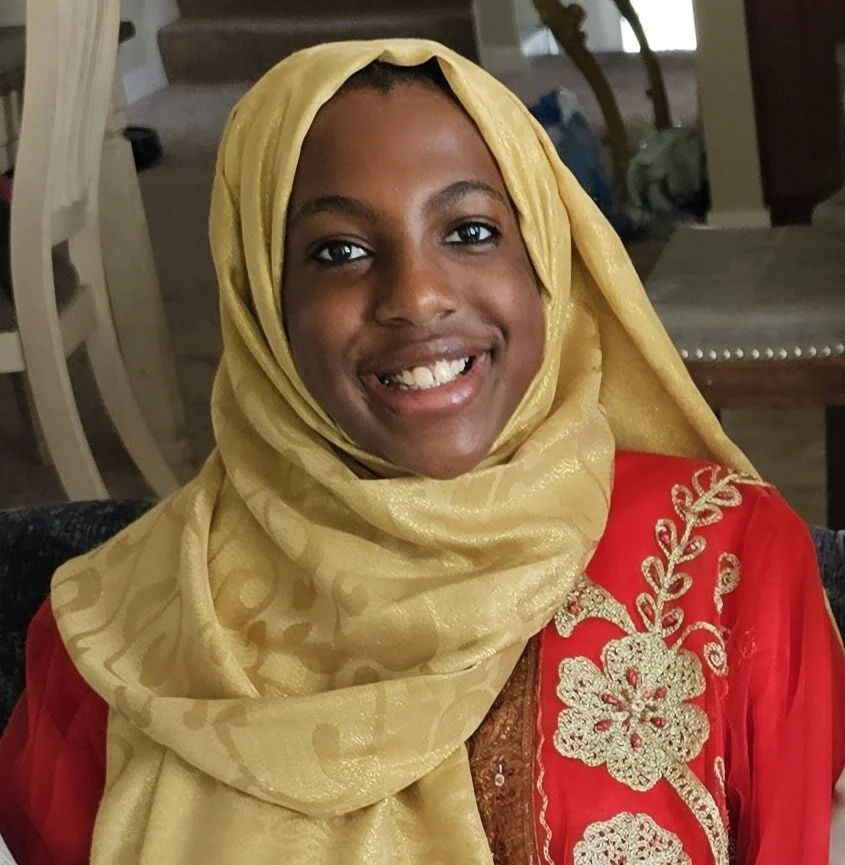
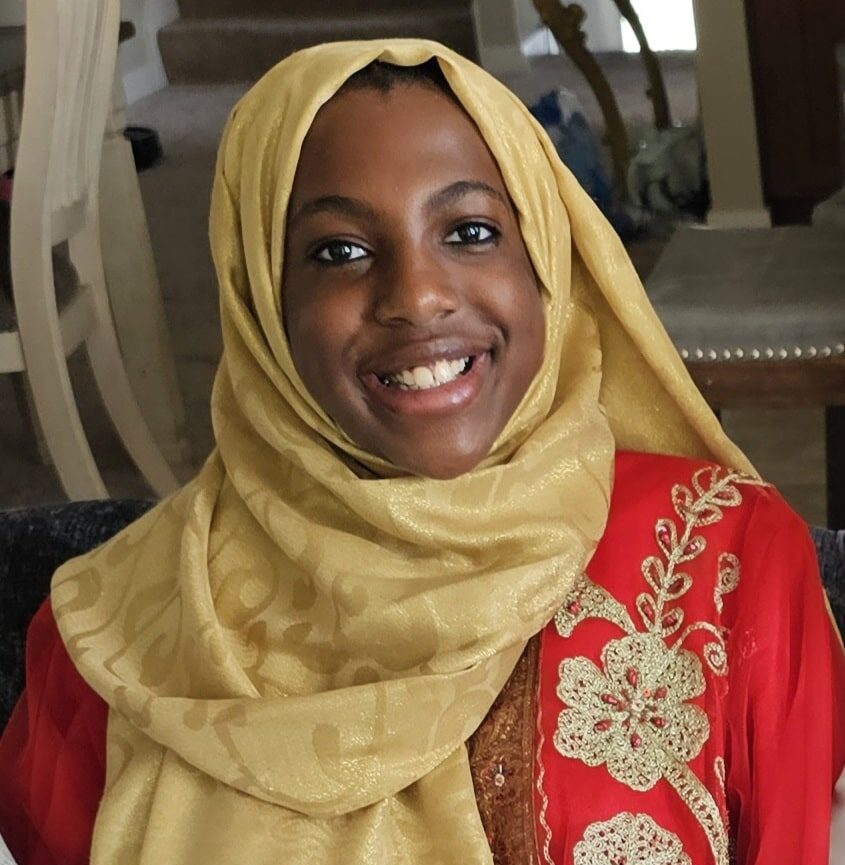
As Amalia matured, the focus shifted from foundational speech development to academic and social integration. The transition from specialized, small-group settings to the broader social landscape of a general education classroom is a pivotal milestone for any child with hearing loss. For Amalia, this transition was successful because of the early, intensive focus on building the communication resilience required to navigate mainstream academic environments.
The Science and Data Behind Auditory-Verbal Therapy
The success of programs like those provided by Listen and Talk is backed by robust data regarding neuroplasticity. The human brain’s ability to reorganize itself by forming new neural connections is at its peak in the first three years of life. When a child with hearing loss is denied access to consistent auditory input during this period, the auditory cortex may be repurposed for visual or other sensory processing, making subsequent speech acquisition significantly more difficult.
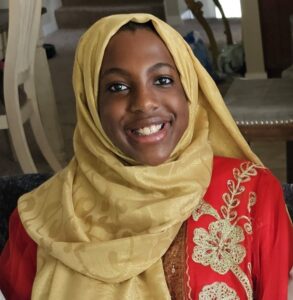
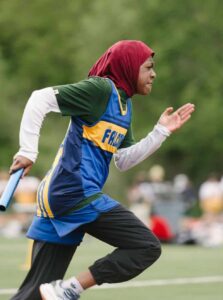
According to research from the American Speech-Language-Hearing Association (ASHA), children who receive early intervention services for hearing impairment are more likely to achieve literacy levels commensurate with their hearing peers by the time they reach middle school. Furthermore, studies consistently show that graduates of LSL programs report higher rates of participation in extracurricular activities, social clubs, and competitive sports—an outcome clearly reflected in Amalia’s own life. Her involvement in diverse athletic pursuits, including swimming, track and field, and basketball, underscores the idea that communication confidence is a prerequisite for broader social and physical engagement.
Implications for Pediatric Healthcare and Education
The broader implications of Amalia’s trajectory suggest that the "no child is limited by hearing loss" philosophy is not merely aspirational but achievable through sustained investment in specialized support services. However, the path to such success remains resource-intensive. The cost of early intervention, which includes diagnostic audiometry, surgical procedures, the maintenance of cochlear technology, and long-term speech-language pathology sessions, presents a financial barrier for many families.
This is where the role of non-profit organizations and alumni-supported campaigns becomes vital. By providing a bridge between medical diagnosis and educational achievement, organizations like Listen and Talk create a sustainable model for community support. The "Alumni Family Giving Campaign" represents an effort to maintain these services by mobilizing those who have already benefited from the program. This cycle of support ensures that future generations of children with hearing loss have access to the same specialized resources that allowed Amalia to reach her current level of academic and personal achievement.
Expert Perspectives on Holistic Child Development
While the technical aspect of hearing loss—the cochlear implant—is the starting point, experts in the field of deaf and hard of hearing education emphasize that the hardware is only half of the equation. "The technology provides the access, but the intervention provides the meaning," notes a representative familiar with the Listen and Talk framework.
This holistic approach recognizes that a child’s development is multifaceted. By integrating family involvement, specialized classroom settings, and extracurricular support, these programs address the psychological and social aspects of living with a disability. For students like Amalia, the ability to engage with hearing peers in a general education setting without the feeling of being "limited" by her hearing loss is the ultimate measure of success. It signifies a transition from being a patient requiring clinical intervention to an independent individual navigating the world with full agency.
Looking Ahead: The Importance of Sustained Support
The longevity of success for children with hearing loss depends on a continuum of care that extends well beyond the early childhood years. As students move into secondary and higher education, the challenges shift from basic speech acquisition to navigating complex academic environments, peer relationships, and the management of long-term hearing health technology.
The narrative of Amalia Faraji serves as a benchmark for what can be achieved when clinical precision meets educational dedication. Her story is a testament to the importance of public awareness regarding early newborn hearing screenings, which remain the primary mechanism for identifying hearing loss at the earliest possible stage. Without such screenings, the intervention process would be delayed, potentially missing the window for optimal language development.
As the educational landscape becomes increasingly competitive, the need for specialized programs that advocate for inclusion and accessibility grows. The success of programs like those facilitated by Listen and Talk demonstrates that when families are empowered with the right tools and professional guidance, the barriers typically associated with hearing loss can be systematically dismantled.
Conclusion
Amalia Faraji’s path from a young child receiving critical early intervention to a well-rounded teenager participating in competitive sports and mainstream academics is more than an individual success story; it is a validation of a specific model of care. The intersection of advanced medical technology, early intervention therapy, and strong family support remains the gold standard for children with sensorineural hearing loss.
As the community looks toward the future, the challenge lies in ensuring that these resources remain accessible to all families, regardless of their background or socioeconomic status. Through initiatives like the Alumni Family Giving Campaign, the organization aims to solidify the foundation that allowed Amalia to thrive. Her story stands as a beacon of hope and a practical guide for the continued evolution of pediatric hearing health, reminding stakeholders that the goal is not merely to "fix" hearing, but to ensure every child has the freedom to pursue their dreams without limitations. The persistence of her journey and the support system that facilitated it provide a clear roadmap for the continued advancement of inclusive, effective, and life-changing education for all children born with hearing loss.