Embracing a Full Spectrum of Activities
The evolution of cochlear implant technology has significantly expanded the possibilities for users, enabling them to engage in activities that were once considered challenging or impossible. This technological advancement, coupled with user experience and refined protocols, has fostered a greater sense of freedom and normalcy for individuals with hearing loss.
The Resonant World of Music
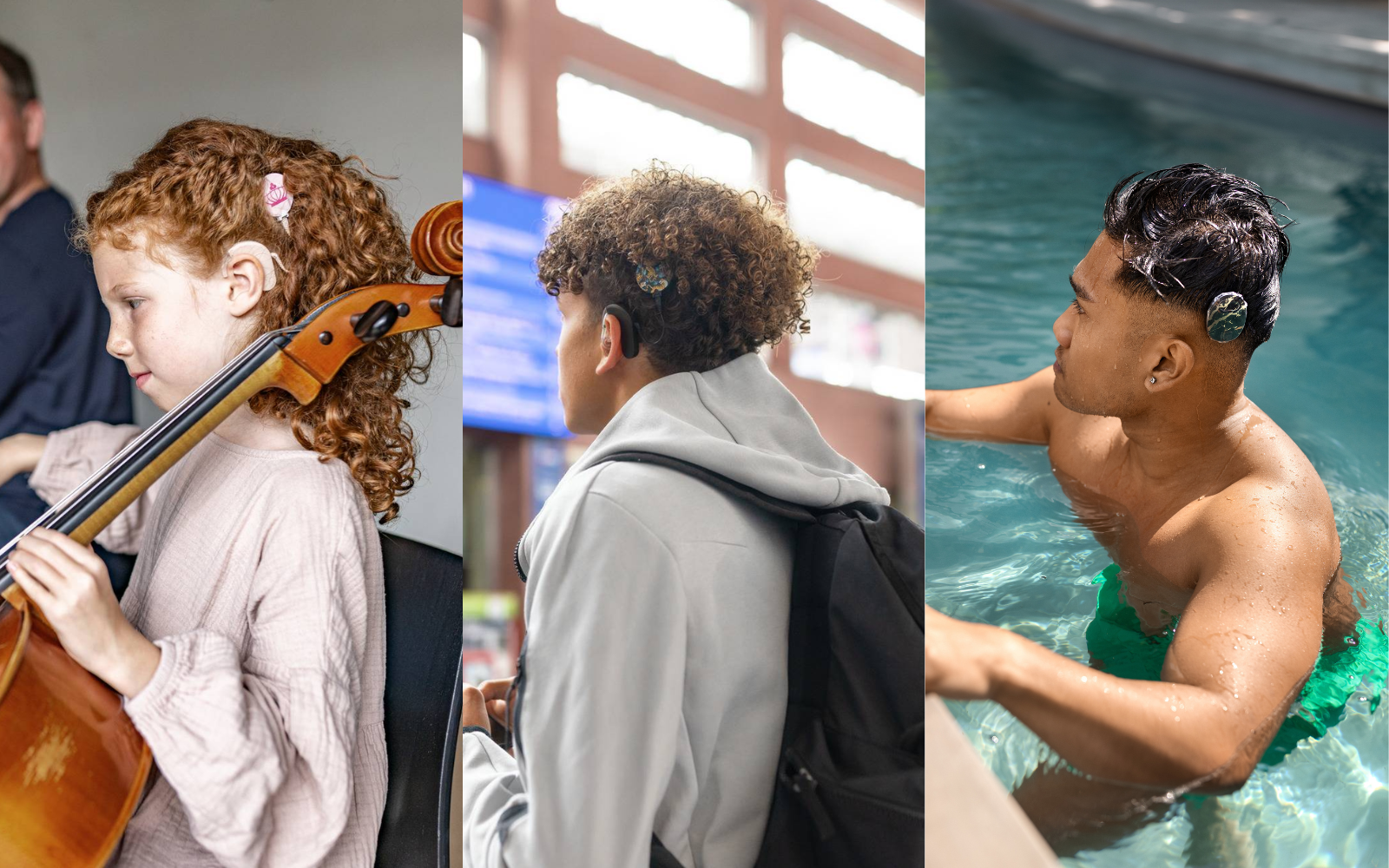
One of the most frequently asked questions revolves around the ability to enjoy music. The answer is a resounding yes. While the auditory experience of music may differ from pre-implantation hearing or from individual to individual, a significant number of cochlear implant recipients actively enjoy listening to music, attending concerts, singing, and even playing musical instruments. This enjoyment is often a journey of rediscovery and adaptation.
Music appreciation with a cochlear implant can develop over time and with consistent practice. For those re-engaging with music, starting with familiar pieces or compositions with simpler instrumentation can be beneficial. The brain, in essence, is learning to interpret sound in a new way, and dedicated practice is instrumental in this process. According to a study published in the Journal of the American Academy of Audiology, consistent listening and rehabilitation can lead to significant improvements in music perception and enjoyment among cochlear implant users.
Technological advancements further enhance the musical experience. Features like direct streaming, available on advanced audio processors such as the MED-EL SONNET 3 and RONDO 3 (with the AudioStream Adapter), allow for the seamless transmission of music directly from compatible smartphones or tablets to the audio processor. This direct connection provides high-quality stereo sound, bypassing potential interference and offering a more immersive listening experience. The more one engages with music through their cochlear implant, the more opportunities the brain has to refine its ability to recognize and appreciate the nuances of sound.
Global Exploration: Travel with Ease
Traveling, whether for business or leisure, is an integral part of modern life, and cochlear implants are designed to be travel-friendly. From short domestic flights to extensive international journeys, individuals with cochlear implants can navigate the travel landscape with confidence.
Airport security procedures are generally safe for cochlear implant users. It is advisable to inform security personnel about the presence of a medical device and to carry an implant identification card to facilitate a smoother screening process. While rare, specific airport security scanners have been noted to potentially interfere with some electronic devices. However, most modern scanners are designed with advanced shielding, and users are typically directed to undergo pat-downs or secondary screening if there are concerns.
Effective preparation is key to a seamless travel experience. Essential cochlear implant equipment should always be kept in carry-on luggage. This includes spare batteries or charging devices, cleaning supplies, and any necessary accessories. Packing a small toolkit for minor adjustments or troubleshooting can also be beneficial. MED-EL, for instance, provides comprehensive travel guides for its users, detailing specific recommendations for packing and navigating travel with their devices.
Aquatic Adventures: Swimming and Hearing
The prospect of swimming with a cochlear implant often comes as a pleasant surprise. The internal component of the implant is safely situated beneath the skin, posing no issue for water submersion. The external audio processor, however, requires protection. Through specialized accessories like MED-EL’s WaterWear, audio processors can be made fully waterproof, allowing users to enjoy a wide range of water activities, including swimming, snorkeling, and even participating in water sports.
Ensuring the secure attachment of the audio processor while in water is paramount. Depending on the intensity of the activity, a secure headband, swim cap, attachment clip, or other fixation options can prevent the processor from becoming dislodged. This not only safeguards the device but also ensures an uninterrupted listening experience during aquatic endeavors.
Maintaining an Active Lifestyle
A cochlear implant is not a barrier to an active and athletic lifestyle. Activities such as running, hiking, cycling, dancing, yoga, and skiing are well within the capabilities of most cochlear implant users. Many individuals with cochlear implants participate in recreational sports, and some even compete at professional levels.

The primary considerations for active individuals are protecting the implant site and ensuring the external audio processor remains secure. For high-impact sports or activities where there is a risk of the processor falling off, fixation accessories are highly recommended. For sports that involve wearing a helmet, such as cycling, skiing, or horse riding, it is crucial to ensure the helmet fits properly without exerting undue pressure on the implant or audio processor.
In cases of contact sports or activities with a significant risk of head impact, it is advisable to consult with a hearing care professional. They can provide specific guidance on protective measures and advise whether it is necessary to temporarily remove the audio processor.
Thrills at Amusement Parks
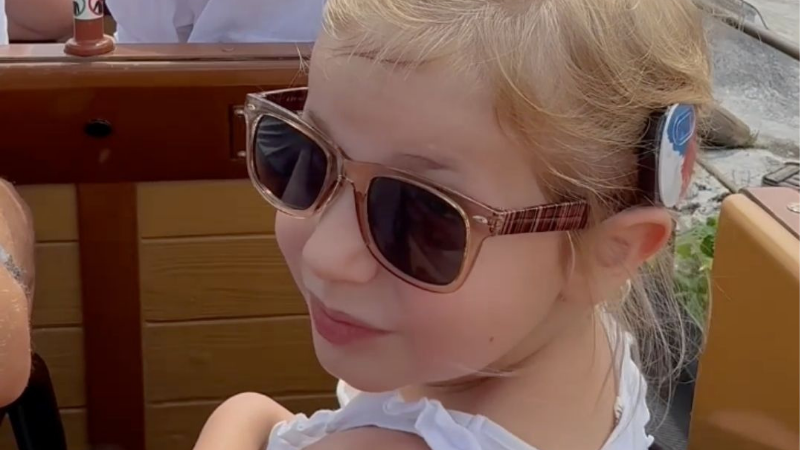
Amusement parks, with their exhilarating rides, are generally accessible to cochlear implant users. Most rides, including roller coasters, can be enjoyed without issue. The key is to ensure the audio processor is securely attached to prevent it from falling off during motion. For rides involving extreme speed or significant G-forces, it is prudent to follow the specific guidance provided by the cochlear implant manufacturer and the ride operator. If there is any uncertainty about a particular attraction, consulting with a local MED-EL team prior to the visit is a recommended course of action.
Medical Examinations: MRI Scans
The possibility of undergoing an MRI scan with a cochlear implant is a critical consideration for many individuals. It is indeed possible to have an MRI with a cochlear implant, but the specific model of the implant is a crucial factor. All MED-EL cochlear implants manufactured since 1994 are classified as "MR conditional." This designation means that MRI scans can be performed safely, provided that the specific conditions outlined for the particular implant model are adhered to.
For recipients with the MED-EL SYNCHRONY series implant, MRI scans at both 1.5 Tesla and 3.0 Tesla can typically be performed without the need for magnet removal. This eliminates the requirement for additional surgery and prevents any interruption in hearing. As with any medical procedure, it is imperative to inform the healthcare provider and the radiology team about the presence of a cochlear implant before the scan. They will then review the MRI conditions specific to the implant model to ensure the procedure is conducted safely and effectively.
Dental Procedures: Maintaining Oral Health
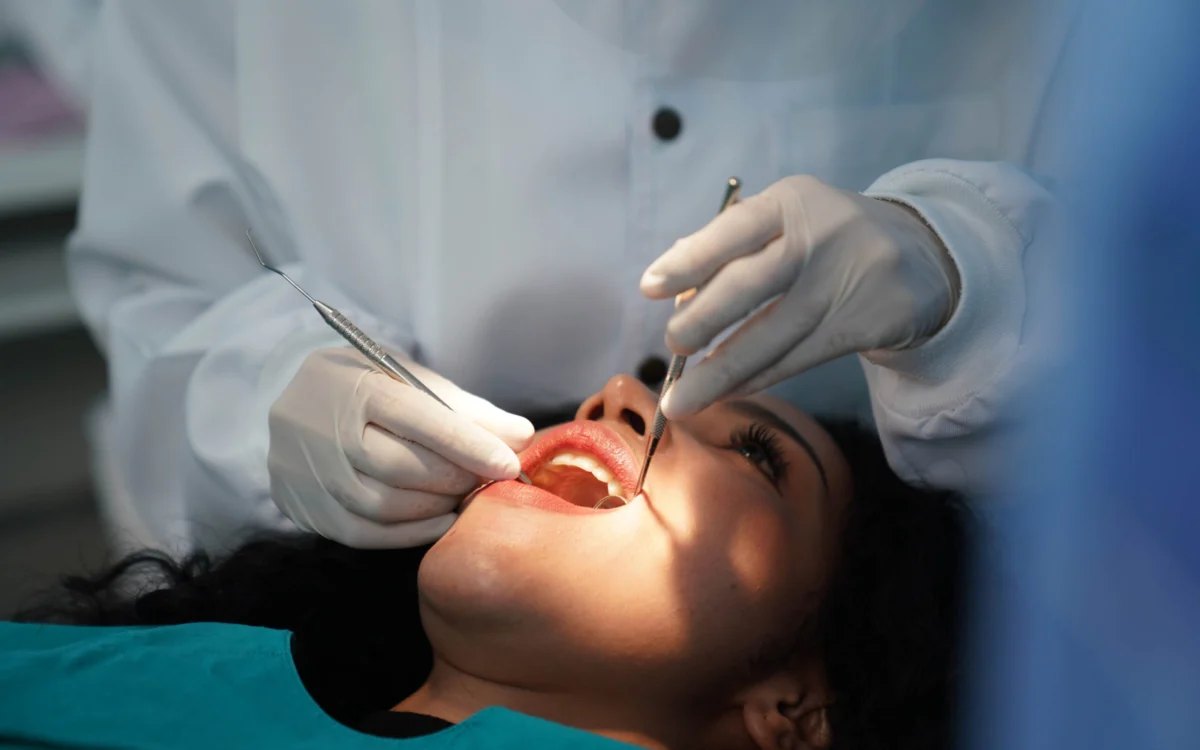
Having a cochlear implant does not preclude individuals from receiving routine dental care. While most standard dental procedures are safe, certain dental equipment and specific interventions may necessitate special precautions. It is essential to inform the dentist about the cochlear implant before any treatment begins. Depending on the nature of the procedure and the equipment used, such as tools employing strong energy or vibrations, the dental professional may need to follow specific safety protocols. For a comprehensive understanding of medical procedures compatible with cochlear implants, MED-EL offers detailed guides that outline which interventions are possible and which should be avoided.

Artistic Expression: Tattoos and Piercings
The desire for self-expression through tattoos or piercings is common, and cochlear implant recipients can generally pursue these interests. The primary guideline is to avoid getting a tattoo or piercing too close to the implant site. The skin and underlying tissues in the vicinity of the implant are sensitive, and potential complications could arise from such proximity.
Laser tattoo removal also requires careful consideration. While possible, this procedure should not be performed near the implanted area, as the laser can generate heat and transfer energy that could affect the implant. Whether obtaining new body art or considering tattoo removal, informing the artist or technician about the cochlear implant beforehand is crucial. Consulting with a local MED-EL team can provide further clarification and ensure safety.
Culinary Pursuits: Induction Cooktops
Modern kitchen appliances, such as induction cooktops, are generally safe for use by cochlear implant users. However, a simple precaution is advised: when an induction cooking zone is activated, it is recommended to maintain a distance of at least 5-10 cm (2-4 inches) between the audio processor and the cooktop. During normal cooking, pots and pans typically help in maintaining this distance. If there is a need to bring the head or audio processor closer to the cooktop, such as during cleaning or reaching over it, switching off the cooking zone first is a prudent step. As always, users should refer to the user manual for their specific CI components for any model-specific recommendations.
Situations Requiring Heightened Vigilance
While the majority of daily activities are well within the safe parameters for cochlear implant users, certain environments and situations warrant extra care and awareness.
Playground Perils: Static Electricity
A less obvious but important consideration is the potential for static electricity generated by plastic playground equipment. Static discharge can, in some instances, cause an audio processor to momentarily cease functioning or reset. While this is typically not dangerous, it can be an uncomfortable experience and temporarily disrupt hearing. Simple measures to mitigate this risk include grounding oneself by touching a metal object before interacting with plastic surfaces and avoiding activities that tend to build up static, such as sliding down plastic slides. Checking the user guide for specific recommendations from the CI manufacturer is also advisable.
Extreme Environments: Saunas and Steam Rooms
Visits to saunas and steam rooms require a specific protocol for cochlear implant users. While the internal implant is unaffected by heat and humidity, the external audio processor is susceptible to damage from high temperatures and moisture. Therefore, audio processors should be removed before entering saunas or steam rooms with temperatures exceeding 50 degrees Celsius (122 degrees Fahrenheit).
Industrial and High-Energy Environments: Magnets and EM Fields
Exposure to strong magnetic or electromagnetic fields, often found in industrial settings, high-voltage equipment, or certain specialized medical procedures, requires careful consideration. While everyday magnets and common electronic devices pose no threat, exceptionally powerful fields can potentially interfere with or affect the cochlear implant. Individuals working in environments with such potential exposures, or engaging in hobbies that involve them, should consult their specific cochlear implant system’s instructions and seek guidance from their local MED-EL team.
Navigating Life with Confidence and Informed Choices
The overarching message concerning cochlear implants is one of remarkable normalcy and the ability to lead a fulfilling life. Individuals with cochlear implants successfully travel, maintain careers, engage in physical activities, manage households, enjoy family life, attend cultural events, and pursue their passions.
Understanding the limited number of situations that require extra precautions empowers individuals to approach these circumstances with confidence rather than apprehension. The availability of detailed information and expert guidance from hearing care professionals and MED-EL teams ensures that individuals can make informed decisions about their activities.
Ultimately, with the right knowledge and a proactive approach, a cochlear implant can facilitate a life where the focus is on enjoying experiences and opportunities, rather than dwelling on limitations. The ongoing advancements in cochlear implant technology, coupled with comprehensive user support, continue to redefine what is possible for individuals with hearing loss, fostering a future of enhanced connection and participation.