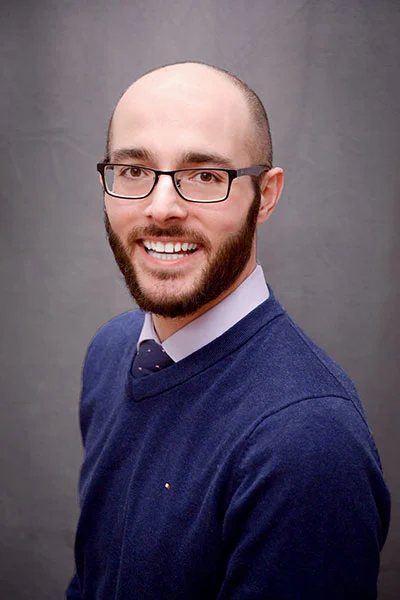
McPherson’s appointment comes at a time of increasing awareness regarding the prevalence and impact of vestibular dysfunction on the global population. As Chair, he will oversee a variety of initiatives aimed at bridging the gap between academic research and clinical application, ensuring that practitioners have access to the latest tools and data to improve patient outcomes. His leadership is expected to strengthen the longstanding collaboration between VeDA and the ANPT, two organizations that share a common goal of enhancing the quality of life for individuals suffering from vestibular impairments.
The Strategic Role of the Vestibular Rehabilitation Special Interest Group
The VR SIG is one of the most active components of the Academy of Neurologic Physical Therapy, a professional membership community under the American Physical Therapy Association (APTA). The mission of the VR SIG is to foster a community of clinicians, educators, and researchers who are committed to the advancement of vestibular rehabilitation. This specialty area of physical therapy focuses on the treatment of symptoms related to vestibular disorders, including vertigo, gaze instability, and balance deficits.
Under McPherson’s leadership, the VR SIG will continue to provide essential resources to its members. Among these is the "Abstract of the Week," an evidence-based update that summarizes the latest peer-reviewed research in the field. This resource is vital for busy clinicians who must stay informed about evolving treatment paradigms without the time to conduct exhaustive literature reviews. Additionally, the SIG produces patient education fact sheets, which are instrumental in helping patients understand their diagnoses and the rationale behind their rehabilitation exercises.
The group also oversees the publication of Topics in Vestibular Therapy, a peer-edited newsletter that delves into complex clinical cases, legislative updates affecting physical therapy, and technological advancements in diagnostic equipment. Furthermore, the VR SIG facilitates quarterly online networking sessions, allowing clinicians from diverse geographic regions and practice settings—ranging from private outpatient clinics to large academic medical centers—to share insights and discuss challenges in patient care.
Professional Profile and Expertise of Jake McPherson
Jake McPherson brings a wealth of clinical and academic experience to the chairmanship. He currently serves as a Clinical Associate Professor at the University at Buffalo, where he is deeply involved in the education of the next generation of physical therapists. His work at the university encompasses teaching, clinical supervision, and professional development, with a specific focus on neurologic physical therapy and vestibular rehabilitation.
McPherson’s credentials as a Board-Certified Neurologic Clinical Specialist (NCS) place him among an elite group of physical therapists who have demonstrated advanced clinical knowledge and skills in neurologic practice. His expertise is not limited to the classroom; he is a frequent provider of continuing education programs, helping licensed professionals refine their skills in managing dizzy patients.
One of the hallmarks of McPherson’s career is his commitment to interdisciplinary collaboration. He has long advocated for a team-based approach to vestibular care, working closely with specialists in neurology, otolaryngology (ENT), primary care, and sports medicine. This collaborative model is essential for the comprehensive management of complex conditions where dizziness may be a symptom of multiple underlying issues, such as cardiovascular dysfunction, medication side effects, or central nervous system disorders.
Research Contributions and the Impact of Concussion
A significant portion of McPherson’s research and clinical interest lies in the intersection of vestibular function and concussion management. He is an active member of the University at Buffalo’s Comprehensive Concussion Management and Research Center. His research explores how concussions—mild traumatic brain injuries (mTBIs)—affect vestibular and oculomotor (eye movement) function.
Data from the Centers for Disease Control and Prevention (CDC) suggests that millions of concussions occur annually in the United States, often resulting from sports injuries, falls, or motor vehicle accidents. A substantial percentage of these individuals experience vestibular symptoms, such as dizziness and blurred vision, which can significantly delay their return to work or play. McPherson’s work in this area is critical for developing targeted rehabilitation strategies that address these specific deficits, thereby improving recovery trajectories for athletes and the general public alike.
Supporting Data: The Growing Need for Vestibular Specialization
The appointment of a new VR SIG Chair highlights the growing public health necessity for specialized vestibular care. According to data from the National Institute on Deafness and Other Communication Disorders (NIDCD), approximately 35% of U.S. adults aged 40 years and older—roughly 69 million people—have experienced some form of vestibular dysfunction.
The economic and social impact of these conditions is profound. Chronic dizziness is one of the most common reasons for physician visits among older adults and is a leading risk factor for falls. Falls are the primary cause of injury-related deaths and non-fatal injuries among those aged 65 and older. By advancing the field of vestibular rehabilitation, leaders like McPherson and organizations like the ANPT and VeDA are directly contributing to fall prevention efforts and reducing the associated healthcare costs, which run into the billions of dollars annually.
Furthermore, vestibular disorders such as Benign Paroxysmal Positional Vertigo (BPPV), Meniere’s disease, and vestibular migraine often go undiagnosed or mismanaged for years. Research indicates that patients with vestibular disorders often consult four or more physicians before receiving an accurate diagnosis. The VR SIG’s focus on education and professional connection aims to shorten this diagnostic odyssey by ensuring that physical therapists are equipped to identify these conditions early and provide effective intervention.
The Academy of Neurologic Physical Therapy: A Broader Context
The VR SIG operates within the larger framework of the Academy of Neurologic Physical Therapy (ANPT). The ANPT’s mission is to optimize movement and well-being for individuals impacted by or at risk for neurologic conditions through advocacy, education, and research.
In addition to the Vestibular Rehabilitation SIG, the Academy hosts seven other specialized groups:
- Assistive Technology/Seating & Wheeled Mobility: Focusing on mobility aids and ergonomic positioning.
- Balance and Falls: Addressing the multifaceted causes of postural instability.
- Brain Injury: Dedicated to the rehabilitation of traumatic and non-traumatic brain injuries.
- Degenerative Diseases: Focusing on conditions such as Parkinson’s disease and Multiple Sclerosis.
- Spinal Cord Injury: Advancing care for individuals with permanent spinal damage.
- Stroke: Promoting evidence-based recovery strategies for cerebrovascular accidents.
- Residency & Fellowship SIG: Supporting the post-professional clinical training of physical therapists.
The existence of these diverse groups allows the ANPT to address the highly specific needs of different patient populations while fostering an environment where advances in one area—such as neuroplasticity research in stroke—can inform practices in another, such as vestibular habituation.
Looking Ahead: The 2026 ANPT Annual Conference
As part of the ongoing effort to promote professional development, VeDA has confirmed its role as a conference sponsor for the 2026 ANPT Annual Conference. The event is scheduled to take place from September 17 to September 19, 2026, in Minneapolis, Minnesota. This conference serves as the premier annual gathering for neurologic physical therapy professionals, offering a platform for the presentation of original research, clinical workshops, and policy discussions.
The 2026 conference will provide Jake McPherson with an early opportunity in his tenure as Chair to engage with the broader membership, set the agenda for the VR SIG for the coming years, and highlight the latest advancements in vestibular technology, such as virtual reality-based rehabilitation and remote monitoring systems. Registration for the event is already being encouraged within the professional community to ensure maximum participation and diversity of thought.
Analysis of Implications for Patient Care and Advocacy
The transition in leadership at the VR SIG is more than an administrative change; it represents a continuation of the professionalization of vestibular therapy. As physical therapists increasingly take on "first-contact" roles in healthcare systems, their ability to screen for and treat vestibular issues becomes a cornerstone of efficient healthcare delivery.
McPherson’s background in both academia and clinical practice suggests a leadership style that will prioritize "knowledge translation"—the process of ensuring that high-level scientific findings are converted into practical exercises and protocols that a therapist can use in a standard 30-minute treatment session. This is particularly important in the field of vestibular rehab, where the difference between a successful outcome and a failed intervention often relies on the precise application of maneuvers or the specific dosage of habituation exercises.
Moreover, the collaboration between the VR SIG and VeDA ensures that the patient’s voice remains central to the professional discourse. While the SIG focuses on the "how" of treatment, VeDA focuses on the "who" and "why," advocating for better insurance coverage, increased research funding, and greater public awareness. Together, these organizations form a powerful advocacy block that seeks to elevate vestibular disorders from a "hidden disability" to a recognized and treatable public health priority.
Conclusion
The appointment of Jake McPherson, PT, DPT, NCS, as Chair of the Vestibular Rehabilitation Special Interest Group is a strategic move that aligns with the evolving needs of the neurologic physical therapy profession. With a robust background in concussion research, interdisciplinary care, and clinical education, McPherson is well-positioned to lead the VR SIG through a period of technological change and increased clinical demand.
As the healthcare community looks toward the 2026 ANPT Annual Conference in Minneapolis, the focus remains on the mission: improving the lives of those with vestibular disorders through excellence in physical therapy. The continued partnership between VeDA and the VR SIG under McPherson’s leadership promises to enhance the resources available to clinicians and, ultimately, provide a more stable and balanced future for patients worldwide.