
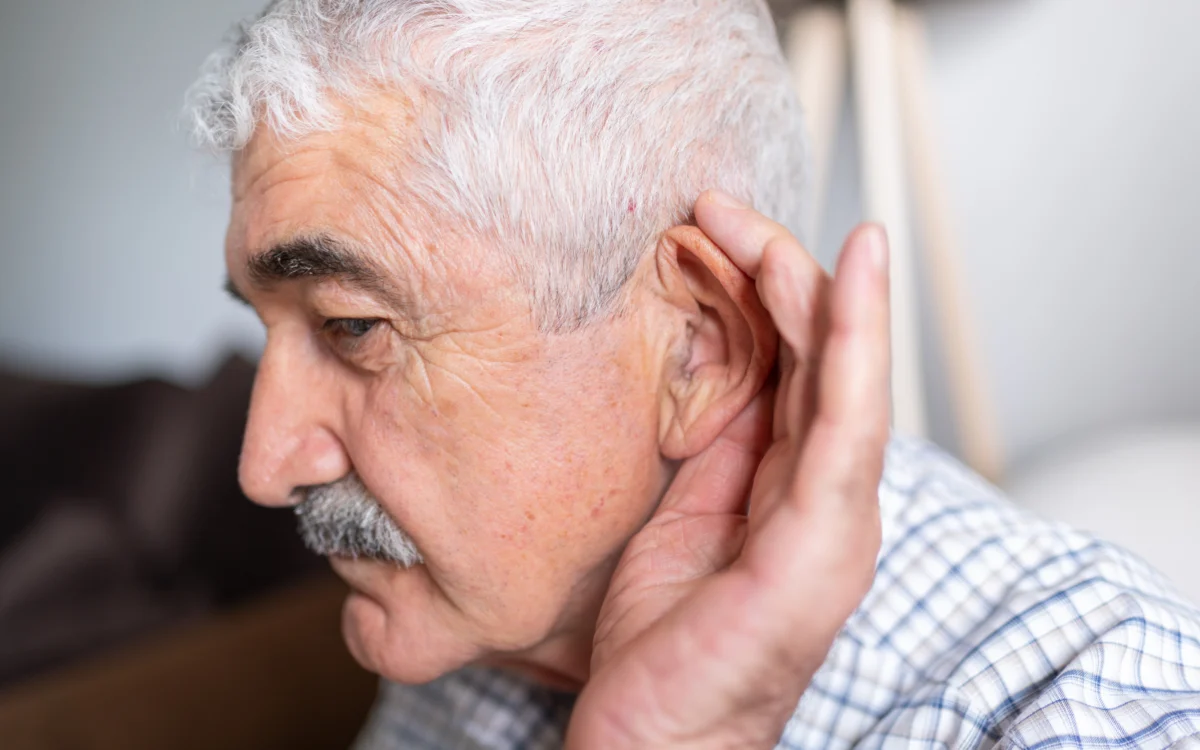
Understanding the Urgency of Sudden Hearing Loss
The sudden onset of hearing impairment, whether a noticeable muffling of sound or complete deafness in one ear, should be treated as a medical emergency. This directive is not alarmist; it reflects the potential for irreversible damage to the delicate structures of the inner ear or auditory nerve. Unlike gradual hearing loss, which often allows for a more measured approach to diagnosis and treatment, sudden hearing loss demands immediate action. The window for effective intervention, particularly for SSNHL, is often narrow, typically within the first few days to weeks of symptom onset.
Medical professionals, including Ear, Nose, and Throat (ENT) specialists, emphasize that self-diagnosis or a "wait and see" approach is ill-advised. While some cases might resolve spontaneously due to temporary blockages, the inability to distinguish these from more serious conditions like SSNHL makes prompt medical evaluation indispensable. The potential consequences of delayed treatment for SSNHL—permanent hearing loss, persistent tinnitus, and balance issues—far outweigh the inconvenience of seeking immediate medical care.
Recognizing the Symptoms: What to Look For
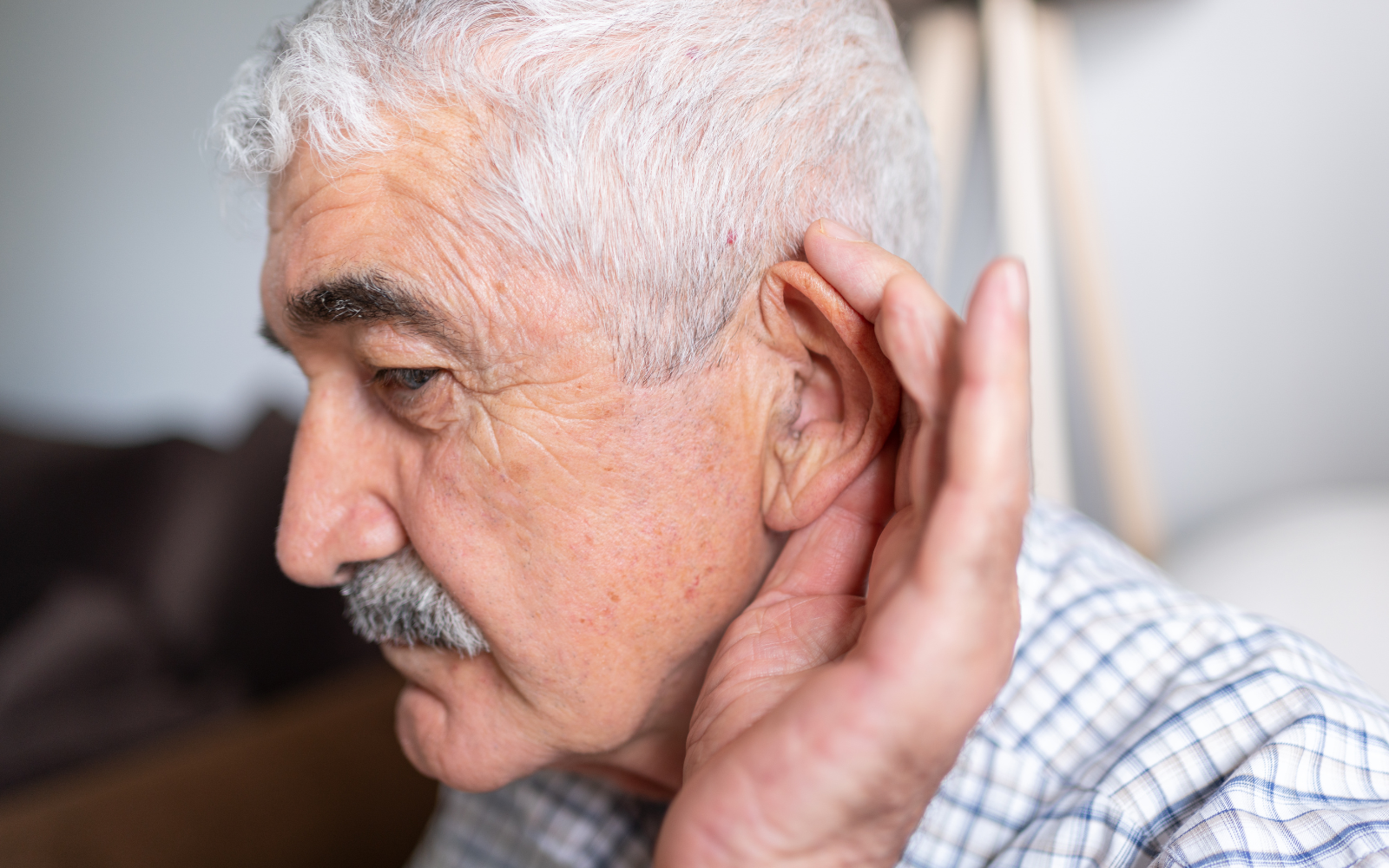
Sudden hearing loss can manifest in various ways, and its subjective experience can differ among individuals. Common presentations include:
- Muffled Hearing: A noticeable reduction in the clarity or volume of sounds.
- Complete Hearing Loss: A sudden and complete absence of hearing in one or both ears.
- Tinnitus: A ringing, buzzing, hissing, or other persistent noise in the ear, which may begin concurrently with or shortly after the hearing loss.
- Aural Fullness or Pressure: A sensation of the ear being blocked or full, similar to what one might experience at high altitudes or with a common cold.
- Dizziness or Vertigo: A feeling of spinning or imbalance, particularly when SSNHL affects the vestibular system, which is closely linked to the auditory system in the inner ear.
- Ear Pain: While not always present, some individuals may experience discomfort or pain in the affected ear.
The abruptness of these symptoms is a key indicator. A gradual decline in hearing over weeks or months is a different clinical scenario. When hearing is significantly compromised within a 72-hour period, it warrants immediate medical attention.
Immediate Steps: What to Do When Hearing Suddenly Declines
If you experience a sudden loss of hearing in one or both ears, the following steps are crucial:
- Contact an ENT Specialist Immediately: This is the most critical action. Seek an appointment with an otolaryngologist (ENT doctor) as soon as possible. Many clinics offer same-day appointments for acute hearing loss.
- Visit an Urgent Care Clinic or Emergency Department: If you cannot reach an ENT specialist promptly, proceed to an urgent care center or the nearest emergency room. The goal is to be evaluated by a medical professional without delay.
- Do Not Wait: Resist the temptation to wait for the condition to improve on its own. Time is of the essence in maximizing the chances of hearing recovery.
When to Seek Emergency Medical Care
While any sudden hearing loss warrants prompt evaluation, certain accompanying symptoms escalate the urgency and necessitate immediate emergency room visits:

- Neurological Symptoms: Sudden hearing loss accompanied by facial weakness or paralysis, difficulty speaking, numbness or weakness in the face, arm, or leg, or a severe, sudden headache can indicate a stroke or other serious neurological event.
- Severe Dizziness or Vertigo: Intense, disorienting dizziness can be a sign of a significant inner ear issue or a neurological problem.
- Head Injury: Sudden hearing loss following a blow to the head requires immediate medical assessment to rule out a concussion, skull fracture, or other traumatic brain injury.
- Fever: A fever accompanying sudden hearing loss may suggest an infection that needs urgent treatment.
- Severe Ear Pain: Intense ear pain, especially when combined with hearing loss, can indicate a serious middle ear infection or other acute condition.
- Bilateral Hearing Loss: Sudden hearing loss affecting both ears simultaneously is a more concerning presentation and requires immediate medical attention.
Understanding the Causes of Sudden Hearing Loss
The causes of sudden hearing loss are diverse and can be broadly categorized:
-
Conductive Hearing Loss: This type occurs when sound transmission is blocked from reaching the inner ear. Common causes include:
- Earwax Impaction: A significant buildup of earwax can completely block the ear canal.
- Middle Ear Infections (Otitis Media): Fluid accumulation behind the eardrum due to infection can impede sound conduction.
- Eustachian Tube Dysfunction: Problems with the tube connecting the middle ear to the back of the throat can lead to pressure imbalances and fluid buildup.
- Perforated Eardrum: A tear or hole in the eardrum can affect sound transmission.
- Foreign Objects: Obstructions in the ear canal.
-
Sensorineural Hearing Loss (SSNHL): This is the most concerning category and involves damage to the inner ear (cochlea) or the auditory nerve. While the exact cause of SSNHL is often elusive, potential contributing factors include:
- Viral Infections: Viruses can directly affect the inner ear or auditory nerve.
- Vascular Issues: Reduced blood flow to the inner ear, potentially due to blood clots or vasospasm, can cause damage.
- Autoimmune Diseases: Conditions where the body’s immune system attacks its own tissues can affect the ear.
- Ototoxic Medications: Certain drugs, including some antibiotics and chemotherapy agents, can damage the inner ear.
- Neurological Conditions: Conditions like Multiple Sclerosis or acoustic neuromas (benign tumors on the auditory nerve) can lead to SSNHL.
- Ménière’s Disease: A disorder of the inner ear that can cause episodes of vertigo, tinnitus, and fluctuating hearing loss.
- Head Trauma: Significant head injuries can disrupt inner ear function.
A less common but significant cause that an ENT specialist will often investigate, particularly for unilateral SSNHL, is an acoustic neuroma. This benign tumor on the vestibulocochlear nerve can compress the nerve, leading to progressive or sudden hearing loss, tinnitus, and balance disturbances. Imaging studies like Magnetic Resonance Imaging (MRI) are crucial in ruling out such retrocochlear pathologies.
Diagnosis: Unraveling the Mystery

Diagnosing the cause of sudden hearing loss involves a multi-faceted approach:
- Medical History and Symptom Assessment: The physician will inquire about the onset, duration, and nature of the hearing loss, along with any accompanying symptoms.
- Otoscopic Examination: A visual inspection of the ear canal and eardrum is performed to identify external causes like earwax, infection, or eardrum abnormalities.
- Audiological Evaluation: A comprehensive hearing test, typically including pure-tone audiometry, is essential. This test measures the softest sounds an individual can hear at various frequencies, helping to determine the degree and type of hearing loss (conductive, sensorineural, or mixed). An audiogram provides objective data crucial for diagnosis and treatment planning.
- Imaging Studies: Depending on the findings from the initial evaluation, an ENT specialist may recommend further investigations:
- MRI: Particularly useful for detecting acoustic neuromas or other structural abnormalities of the auditory nerve and brainstem.
- CT Scan: May be used to assess bone structures of the middle and inner ear, especially after trauma.
- Blood Tests: These may be ordered to investigate underlying systemic conditions such as autoimmune disorders or infections.
- Balance Testing: If dizziness or vertigo is a prominent symptom, specialized tests may be conducted to evaluate the vestibular system.
The primary goal of diagnosis is to differentiate between temporary, reversible causes and conditions like SSNHL that require specific medical interventions.
Treatment Strategies: Restoring Hearing Function
Treatment for sudden hearing loss is highly dependent on the identified cause:
- Treating Conductive Causes: If the hearing loss is due to earwax, it can be safely removed by a healthcare professional. Ear infections are typically treated with antibiotics and anti-inflammatory medications. Fluid buildup may be managed with decongestants or, in some cases, require a myringotomy (a small incision in the eardrum) to drain fluid.
- Treating Sudden Sensorineural Hearing Loss (SSNHL): The cornerstone of SSNHL treatment is the timely administration of corticosteroids. These powerful anti-inflammatory medications are believed to reduce swelling and protect the delicate structures of the inner ear.
- Oral Corticosteroids: Often prescribed as a high-dose regimen for a limited period.
- Intratympanic Steroid Injections: In cases where oral steroids are ineffective or for patients who cannot tolerate them, steroids can be injected directly through the eardrum into the middle ear, allowing for higher local concentrations with fewer systemic side effects.
Clinical guidelines, such as those from the American Academy of Otolaryngology–Head and Neck Surgery, recommend offering corticosteroids within the first two weeks of SSNHL onset. For individuals with incomplete recovery, intratympanic steroid therapy may be considered as a salvage treatment between two to six weeks after symptom onset.
Prognosis and Long-Term Management

The prognosis for sudden hearing loss varies significantly. For conductive causes, hearing often returns to normal once the underlying issue is resolved. For SSNHL, the degree of recovery is less predictable. Approximately 30-50% of patients with SSNHL experience some degree of hearing improvement, with about 10-15% regaining normal hearing. Factors influencing recovery include the severity of the hearing loss, the speed of treatment initiation, and the underlying cause.
What Happens if Hearing Does Not Fully Return?
When hearing does not recover completely after medical treatment, the focus shifts to managing long-term hearing loss and its impact on daily life. Follow-up audiological evaluations are crucial to monitor hearing levels and assess the effectiveness of interventions.
Long-term hearing loss, especially in one ear, can present significant challenges:
- Difficulty Understanding Speech in Noisy Environments: The ability to selectively focus on speech when background noise is present is often impaired.
- Localization Issues: Determining the direction from which sounds originate becomes more difficult.
- Increased Listening Effort: The brain works harder to process sound, leading to fatigue and cognitive overload.
- Tinnitus: Persistent tinnitus can be distressing and negatively impact quality of life, sleep, and concentration.
For individuals with significant or profound hearing loss in one ear, known as single-sided deafness (SSD), several audiological and rehabilitative options are available:
- Hearing Aids with CROS (Contralateral Routing of Signal) Systems: These devices route sound from the unaided ear to a receiver on the hearing aid worn on the better-hearing ear. This helps improve awareness of sounds from the deaf side.
- Bone Conduction Hearing Devices: These devices transmit sound vibrations through the bones of the skull directly to the inner ear on the side with hearing loss. They can be used with a headband or surgically implanted.
- Cochlear Implants for Single-Sided Deafness: For individuals with severe-to-profound sensorineural hearing loss in one ear, a cochlear implant can be a life-changing option. Unlike traditional hearing aids that amplify sound, cochlear implants bypass damaged parts of the inner ear and directly stimulate the auditory nerve, providing a representation of sound. For SSD, cochlear implants can help restore hearing on the affected side, improve speech understanding in noise, and enhance sound localization, offering benefits beyond what conventional hearing aids can achieve. Suitability for cochlear implantation is determined by a specialized medical team based on a thorough assessment of the individual’s hearing loss and overall health.
Key Takeaways for Public Awareness

The overarching message regarding sudden hearing loss is one of vigilance and prompt action. Key takeaways include:
- Sudden hearing loss in one or both ears is a medical emergency. Do not delay seeking professional medical evaluation.
- Early diagnosis and treatment are critical, especially for sudden sensorineural hearing loss, to maximize the chances of hearing recovery.
- Self-diagnosis is unreliable. The symptoms of temporary blockages can mimic more serious conditions.
- A comprehensive audiological evaluation and an ENT specialist’s assessment are essential to determine the cause and appropriate treatment.
- If hearing does not fully recover, various rehabilitative options exist, including hearing aids, bone conduction devices, and cochlear implants for single-sided deafness.
The medical community strongly advocates for public awareness campaigns to educate individuals about the signs and urgency of sudden hearing loss. Understanding that this condition is a medical emergency, rather than a minor inconvenience, can empower individuals to take swift action and potentially preserve their hearing.