Strengthening the Regulatory Framework in South Florida
The transition into the NFPA affiliate network is not merely an administrative shift; it represents a concerted effort to standardize code enforcement protocols across jurisdictional boundaries. South Florida presents unique challenges for electrical infrastructure, characterized by high humidity, coastal salinity, and the constant threat of extreme weather events such as hurricanes. These environmental factors accelerate the degradation of electrical systems, necessitating rigorous adherence to the latest iterations of NFPA 70, the National Electrical Code.
As an affiliate chapter, the SFEIA will serve as a conduit for professional development, providing inspectors with advanced training on NEC updates, emerging technologies in renewable energy storage, and the complexities of smart-grid integration. The organization will operate with a degree of independence, allowing it to address localized challenges while maintaining a direct line of communication with NFPA technical committees. This collaboration ensures that local inspectors are not only interpreting the code but are also participating in the broader discourse that shapes future standards.

Historical Context and the Evolution of the EIS Network
The NFPA Electrical Inspection Section was established to provide a unified platform for professionals tasked with the critical responsibility of verifying electrical safety. Historically, the inspection community has functioned in silos, with local departments often interpreting code requirements in ways that varied significantly from one municipality to the next. The affiliate chapter model was conceived to dismantle these silos, fostering a cohesive regulatory environment.
The inclusion of the Southeast Florida group brings the total number of state-level affiliate organizations to over a dozen, joining established chapters in Alabama, Arkansas, Colorado, Kentucky, Maryland, Montana, Nebraska, North Carolina, North Dakota, Ohio, and Rhode Island. The addition of a Florida chapter is particularly noteworthy given the state’s massive construction sector and the rapid adoption of new electrical technologies, such as electric vehicle (EV) charging stations and rooftop solar arrays. This chronological expansion of the network reflects a growing industry-wide recognition that safety is best achieved through standardized, nationwide collaboration rather than fragmented local enforcement.

Data-Driven Safety: The Importance of the NEC
The National Electrical Code is the benchmark for safe electrical design, installation, and inspection to protect people and property from electrical hazards. According to NFPA data, electrical failures or malfunctions are among the leading causes of home fires, accounting for thousands of injuries and hundreds of deaths annually. In commercial settings, faulty electrical systems pose catastrophic risks, ranging from arc-flash incidents to large-scale structure fires.
The SFEIA’s commitment to the NEC is supported by a growing body of evidence suggesting that consistent code application reduces insurance claims and improves building resilience. By participating in the EIS, SFEIA members gain access to a repository of technical data, research papers, and case studies that inform better decision-making in the field. For instance, as Florida pushes for greater energy efficiency, the role of the inspector in verifying the installation of battery energy storage systems (BESS) becomes paramount. The affiliate status provides the SFEIA with the resources to keep pace with these rapid technological advancements, ensuring that code compliance keeps the public safe without stifling innovation.

Perspectives from the Field: The Role of the Inspector
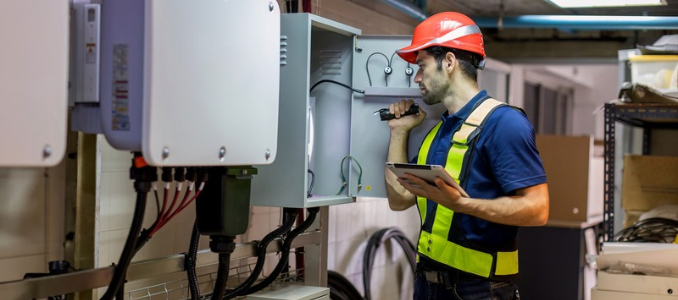
The life of an electrical inspector is defined by high-stakes accountability. Inspectors are the final line of defense against potential electrical disasters, tasked with verifying that every wire, circuit, and panel meets stringent safety standards. The formation of the SFEIA affiliate chapter has been met with quiet optimism by industry stakeholders who view it as a professionalization of the trade.
"The goal is to move beyond the checklist mentality," notes an industry expert familiar with the formation of the chapter. "When inspectors are part of a national network, they stop being mere bureaucrats and start being safety engineers. They have the ability to share information about what they are seeing in the field—new types of faulty equipment, common installation errors, or emerging hazards—directly with the people who write the code."

This two-way flow of information is the core value proposition of the NFPA affiliate structure. While the NFPA provides the standards, the inspectors provide the empirical evidence of how those standards function under the pressure of real-world implementation. By formalizing this relationship, the SFEIA effectively gains a seat at the table, ensuring that the unique environmental and demographic pressures of South Florida are accounted for in national discussions.
Broader Implications for the Construction and Insurance Industries
The formalization of the SFEIA will likely have ripple effects across the construction and insurance industries. Insurance underwriters, who rely heavily on the integrity of local code enforcement to calculate risk premiums, have a vested interest in the professionalization of the inspection workforce. A more consistent and highly trained inspector pool reduces the likelihood of "hidden" electrical hazards, which are often the culprits in post-incident insurance investigations.

For contractors and developers, the SFEIA’s integration into the NFPA network promises greater predictability. When inspectors are trained through a standardized national curriculum, the variability in code interpretation decreases. This leads to fewer project delays, reduced litigation over inspection results, and a more streamlined permitting process. In a region like South Florida, where the construction pipeline is consistently robust, these efficiencies translate into significant economic benefits for the private sector.
Looking Ahead: Training, Compliance, and Community Safety
Moving forward, the SFEIA is expected to prioritize educational outreach. This includes hosting workshops on the latest NEC cycles, providing certifications for specialized electrical inspections, and facilitating peer-review sessions where inspectors can discuss complex enforcement challenges. These initiatives are essential for maintaining the integrity of the profession as the electrical industry pivots toward a decarbonized future.

The transition to clean energy—including heat pumps, solar arrays, and high-voltage EV chargers—requires a workforce that is well-versed in complex systems that were not part of the standard inspection curriculum a decade ago. By anchoring themselves to the NFPA infrastructure, the SFEIA is positioning itself to be a leader in the transition, ensuring that as South Florida updates its infrastructure to be more sustainable, it remains just as safe.
The designation of the Southeast Florida Electrical Inspectors Association as an NFPA affiliate chapter is a milestone for electrical safety in the state. By bridging the gap between local enforcement and national standards, the chapter has established a framework for continuous improvement. As the region continues to grow and face the challenges of an evolving electrical landscape, the professionalization of the inspection process will remain the bedrock upon which safe communities are built. The SFEIA’s new status ensures that when an electrician opens a panel box in Miami or Fort Lauderdale, the standards they are held to are as rigorous, informed, and current as any in the country.