The Diagnostic Chronology: From Newborn Screening to Genetic Confirmation
The path to diagnosis for children with congenital hearing loss often begins in the neonatal unit. In Landon’s case, the process was initiated by a failed newborn hearing screen—a standard, non-invasive test performed within the first days of life. While such screenings identify potential issues, they are merely the first step in a clinical timeline.
Landon’s journey involved months of rigorous testing, a period that many parents describe as one of the most stressful phases of early child-rearing. Eventually, clinical testing identified a specific genetic etiology: a deletion involving both the STRC (stereocilin) and CATSPER2 genes. Mutations in the STRC gene are a known cause of non-syndromic autosomal recessive hearing loss, specifically affecting the hair cells of the inner ear. This specific genetic profile results in difficulties accessing higher-frequency sounds, which are essential for distinguishing speech sounds such as the letter "S" or the subtle nuances of environmental noises like running water.
By the time Landon was 17 months old, he was fitted with hearing aids. The interval between a two-month diagnosis and a 17-month fitting highlights the complexities of pediatric audiology, where physical development and the ability to tolerate assistive devices must be carefully balanced with the critical window of language acquisition.
The Role of Early Intervention Services
Research by the National Institute on Deafness and Other Communication Disorders (NIDCD) indicates that children who receive intervention services before the age of six months typically demonstrate language development comparable to their hearing peers by the time they reach school age. Programs like "Listen and Talk" utilize this developmental data to structure their Birth to Three initiatives.
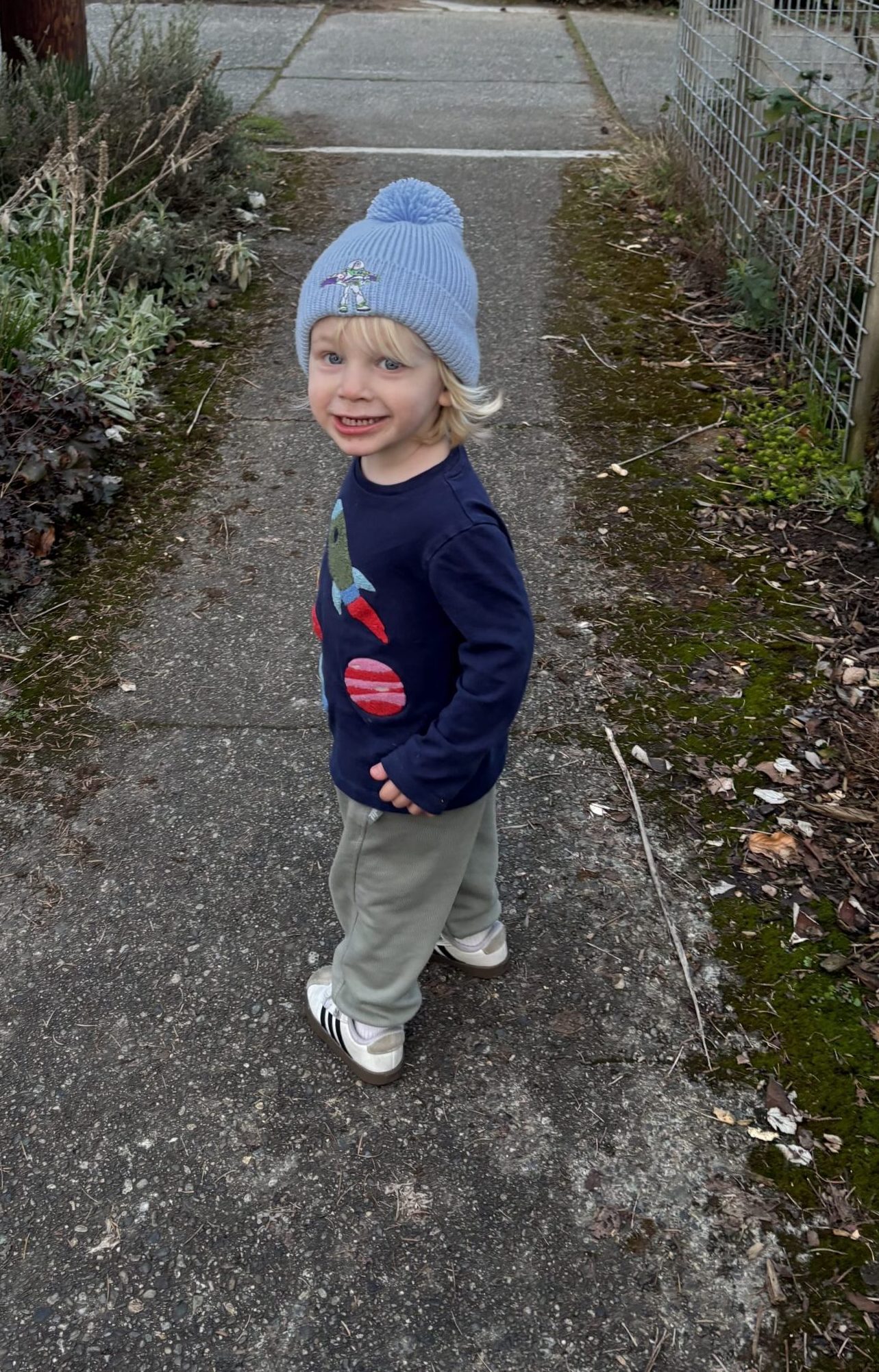
For the Landon family, the integration of a Birth to Three program specialist—Meghan—was transformative. The support provided was not merely clinical; it addressed the "whole family" model. This included:
- Auditory Access Strategies: Coaching parents on how to maximize the child’s environment to prioritize speech clarity.
- Troubleshooting Technical Aids: Providing real-time assistance with the maintenance and daily optimization of hearing devices.
- Educational Advocacy: Serving as a bridge between home life and the classroom, ensuring that educators understand the nuances of "hearing fatigue," a phenomenon where children with hearing loss expend significantly more cognitive energy to process auditory information than their peers.
Pedagogical Innovations: The Blended Classroom Model
One of the most significant advancements in modern special education for the hard of hearing is the "blended classroom." This model integrates children with hearing loss into an environment alongside typically hearing peers. This setting provides an auditory-rich, stimulating environment that encourages natural communication development.
The educational philosophy behind this model is rooted in the development of self-advocacy. By interacting with a diverse group of peers, children with hearing loss learn to navigate social settings, ask for clarification, and communicate their specific needs—skills that are essential for long-term academic success. In the blended environment, children are occasionally pulled out for specialized speech-language pathology (SLP) sessions, ensuring that they receive intensive, individualized therapy without being entirely isolated from the mainstream social experience.
Quantitative and Qualitative Outcomes
The success of such interventions is measured both in clinical metrics and developmental milestones. Longitudinal studies have consistently shown that early, consistent access to auditory information, combined with speech therapy, leads to a significant increase in vocabulary size and improved articulation.
In Landon’s case, regular assessments conducted by the program staff showed a "skyrocketing" of vocabulary, a result consistent with the outcomes reported by families engaged in structured early intervention. Beyond the data, there is a clear qualitative improvement in the child’s quality of life. The enthusiasm shown by the child during home visits suggests that the therapy is perceived as a supportive, engaging experience rather than a clinical burden.
The Broader Economic and Social Impact
The implications of early intervention extend far beyond the individual family. There is a clear socio-economic incentive for the widespread availability of these services. Children who receive early support are statistically more likely to transition successfully into mainstream K-12 education, pursue higher education, and enter the workforce with the tools necessary to thrive.
However, the availability of these programs is often contingent upon funding for non-profit entities. Organizations like Listen and Talk operate as social impact enterprises, filling the gap where public funding or standard insurance coverage may fall short. These programs rely heavily on philanthropic contributions to cover the costs of audiology equipment, staff training, and the operation of specialized classroom facilities.
Challenges in Pediatric Audiology
Despite the success stories, the field faces ongoing challenges. The administrative burden on parents—navigating insurance, coordinating between pediatricians and audiologists, and managing educational accommodations—remains high. Furthermore, the rarity of certain genetic conditions requires specialized genetic counseling that is not always readily accessible to families in rural or underserved areas.
The "Listen and Talk" approach addresses these systemic hurdles by providing a centralized resource hub. By acting as a guidepost, these organizations mitigate the "uncharted waters" that parents often feel they are navigating alone.
Conclusion and Future Outlook
The trajectory of a child with hearing loss is no longer defined by the limits of their condition, but rather by the quality of the support they receive during their most formative years. Through the combination of early detection, consistent parental involvement, and modern educational settings like the blended classroom, the goal that "no child is limited by hearing loss" is becoming an increasingly achievable reality.
As the scientific community continues to uncover the genetic markers for hearing loss, the medical community must remain committed to the parallel advancement of educational and therapeutic support. The investment in these programs is an investment in the future potential of a generation of children who, with the right resources, will be fully integrated participants in their communities, schools, and workplaces. For families like Landon’s, the support provided by specialized intervention services is not just a service—it is the foundation upon which their child’s future is built.