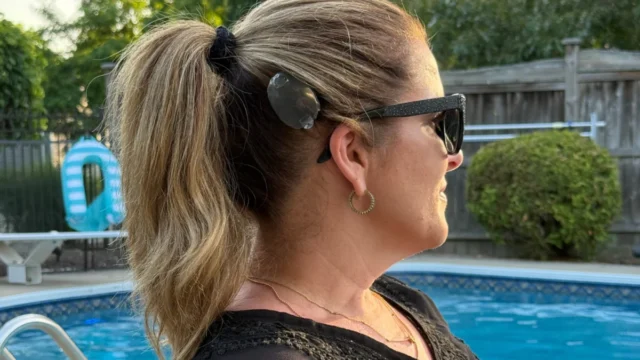

The term "retrocochlear" literally translates to "behind the cochlea," highlighting that the auditory signal has successfully navigated the inner ear’s sensory organ but encounters a bottleneck or distortion thereafter. This can manifest in a variety of ways, from subtle difficulties in understanding speech in noisy environments to more profound issues like unilateral hearing loss, tinnitus, dizziness, and even balance problems. The experience of individuals with retrocochlear hearing loss can be particularly frustrating, as they may perceive sounds as being loud enough but struggle to discern the clarity of words, leading to a significant impact on daily communication and quality of life.
Understanding the scope of retrocochlear hearing loss necessitates a clear differentiation from its cochlear counterpart. While both fall under the umbrella of sensorineural hearing loss, the precise location of the dysfunction dictates the diagnostic approach and therapeutic strategies. Cochlear hearing loss typically involves damage to the hair cells within the cochlea, which are responsible for converting mechanical vibrations into electrical signals. In contrast, retrocochlear hearing loss signifies an issue with the neural transmission of these signals.
Differentiating Cochlear and Retrocochlear Hearing Loss
The divergence between cochlear and retrocochlear hearing loss can be elucidated through a comparative analysis of their characteristics:

| Feature | Cochlear Hearing Loss | Retrocochlear Hearing Loss |
|---|---|---|
| Location of Problem | Inner ear (cochlea) | Auditory nerve or auditory pathways beyond the inner ear |
| Impact on Sound | Difficulty in the ear’s ability to capture sound clearly | Sound reaches the ear, but the signal transmission to the brain is impaired |
| Speech Clarity | Difficulty understanding speech, especially in noise | Difficulty understanding speech, often disproportionately to hearing thresholds |
| Common Signs | Muffled sounds, difficulty hearing specific frequencies, challenges in noisy environments | Unilateral or asymmetric hearing loss, poor speech comprehension, tinnitus, dizziness, balance issues, facial numbness |
| Potential Causes | Damage to inner ear structures (e.g., aging, noise exposure, ototoxic drugs) | Tumors (e.g., vestibular schwannoma), neurological conditions (e.g., Multiple Sclerosis), neurodegenerative disorders, vascular issues |
| Diagnostic Approach | Standard audiometric tests | Audiometric tests plus specialized tests (e.g., ABR, MRI) |
| Treatment Focus | Management of hearing loss level and type | Addressing the underlying cause, along with hearing rehabilitation |
Unveiling the Symptoms of Retrocochlear Impairment
The symptomatology of retrocochlear hearing loss is as varied as its potential causes. While some individuals may experience a gradual onset of mild hearing changes, others might present with more acute and debilitating symptoms. A hallmark of retrocochlear issues is often the disproportionate difficulty in understanding speech, particularly in the presence of background noise. This means that even if the perceived loudness of speech is adequate, the intelligibility can be severely compromised.
Beyond speech comprehension challenges, other significant indicators include:
- Unilateral or Asymmetric Hearing Loss: A noticeable difference in hearing ability between the two ears is a strong red flag. This could manifest as hearing loss in only one ear or a significant disparity in hearing levels.
- Tinnitus: The perception of ringing, buzzing, or other phantom sounds in the ear, which can be persistent and disruptive.
- Dizziness and Balance Problems: The auditory nerve plays a role in maintaining balance, and its dysfunction can lead to sensations of spinning (vertigo), unsteadiness, or general imbalance.
- Facial Numbness or Weakness: In cases where a retrocochlear issue, such as a tumor, is pressing on nearby nerves, individuals might experience sensory changes or motor deficits in the face.
It is crucial to recognize that not all individuals will exhibit the same constellation of symptoms. The specific presentation is highly dependent on the exact location and nature of the impairment along the auditory pathway.
Exploring the Underlying Causes
The spectrum of conditions that can lead to retrocochlear hearing loss is broad, extending beyond the commonly perceived notion of tumors. While growths on the auditory nerve are a significant concern, other neurological and vascular factors also play a crucial role.
Tumors: Vestibular schwannomas, benign tumors that develop on the vestibulocochlear nerve (cranial nerve VIII), are a well-documented cause of retrocochlear hearing loss. These tumors can compress the nerve, interfering with the transmission of auditory and balance signals.

Multiple Sclerosis (MS): This chronic autoimmune disease affects the central nervous system, including the auditory pathways. MS can cause demyelination, disrupting the efficient conduction of nerve impulses along the auditory nerve and brainstem.
Neurodegenerative Disorders: Conditions that progressively damage nerve cells can also impact auditory processing. Auditory Neuropathy Spectrum Disorder (ANSD), for instance, involves issues with the auditory nerve or the brain’s processing of auditory signals, even when the cochlea itself is functioning. Hereditary neuropathies can also contribute to retrocochlear hearing loss by impairing signal transmission.
Other Neurological and Vascular Conditions: Inflammation of the auditory nerve, lesions within the brainstem, stroke affecting auditory pathways, or vascular malformations can all compromise the integrity of the retrocochlear system.
Rare Causes: While less common, trauma to the head, certain infections affecting the nervous system, and other congenital or acquired conditions can also result in retrocochlear hearing loss.
The Diagnostic Journey: Pinpointing the Problem
Diagnosing retrocochlear hearing loss is a multi-faceted process that typically involves a combination of audiological assessments and advanced imaging techniques. A single hearing test is rarely sufficient to confirm the diagnosis.
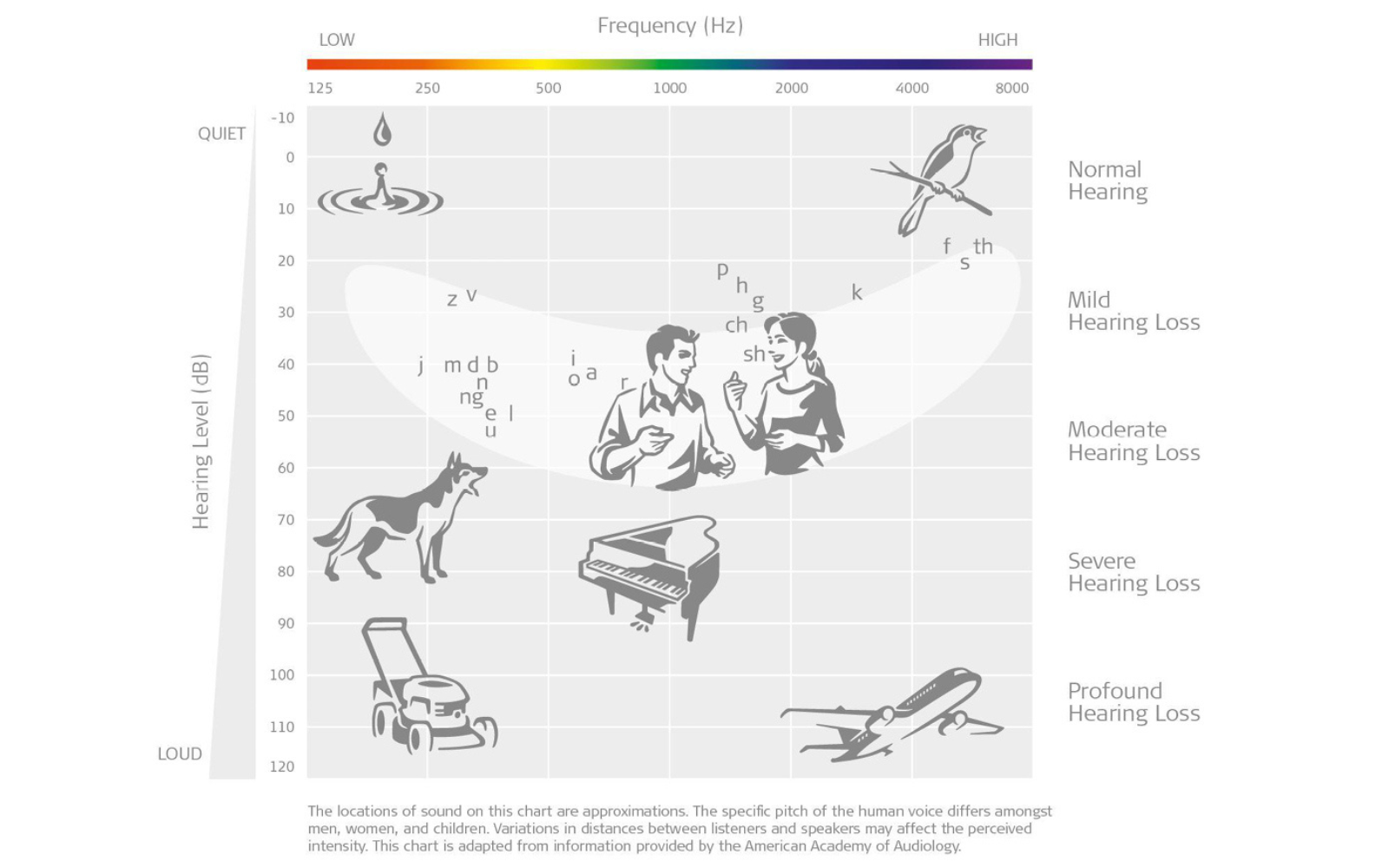
1. Comprehensive Hearing Tests: An initial evaluation by an audiologist is fundamental. This includes pure-tone audiometry to assess hearing thresholds across different frequencies and speech audiometry to evaluate speech recognition abilities. A significant discrepancy between pure-tone thresholds and speech understanding scores can be a key indicator of a retrocochlear issue. Online hearing tests can offer a preliminary self-assessment but cannot substitute for a professional diagnosis.
2. Speech Testing: The ability to understand speech, especially in challenging listening conditions, is paramount. Audiologists meticulously analyze speech recognition scores to identify any disproportionate decline that might suggest a problem beyond the cochlea.
3. Auditory Brainstem Response (ABR): This electrophysiological test measures the brain’s electrical activity in response to sound stimuli as they travel along the auditory nerve and brainstem. Abnormalities in the ABR waveform can pinpoint potential delays or disruptions in neural transmission, making it a critical tool for detecting retrocochlear pathologies. For instance, a delay in the latency of specific waves on an ABR can indicate a problem with nerve conduction.
4. Magnetic Resonance Imaging (MRI): When a retrocochlear cause is suspected, particularly a tumor, an MRI scan is often recommended. This advanced imaging technique provides detailed cross-sectional images of the auditory nerve and surrounding brain structures, allowing for precise visualization and identification of any abnormalities.
Interpreting the Audiogram: Clues, Not Conclusions
While an audiogram is an essential component of hearing assessment, it’s important to understand its limitations in diagnosing retrocochlear hearing loss. There isn’t a single, definitive audiogram pattern that exclusively points to a retrocochlear problem. However, certain findings can raise suspicion and warrant further investigation.
- Asymmetric or Unilateral Hearing Loss: A significant difference in hearing levels between the ears is a common finding in retrocochlear conditions.
- Poor Speech Understanding Relative to Pure-Tone Thresholds: As mentioned earlier, this disparity is a strong indicator that the issue lies beyond the cochlea’s ability to detect sound. For example, a person with mild pure-tone hearing loss might exhibit extremely poor speech recognition scores, suggesting a neural processing issue.
- Reduced Word Recognition Scores in Quiet: Unlike cochlear hearing loss, where speech understanding typically deteriorates most in noise, retrocochlear impairments can sometimes lead to difficulties even in quiet listening environments.
Ultimately, audiogram findings must be interpreted in conjunction with a thorough medical history, clinical examination, and results from other diagnostic tests.
Navigating Treatment Options for Retrocochlear Hearing Loss
The treatment strategy for retrocochlear hearing loss is intrinsically linked to its underlying cause. A one-size-fits-all approach is not applicable, and interventions are highly individualized.
1. Medical and Surgical Interventions: If a tumor is identified, surgical removal may be an option, depending on its size, location, and impact on surrounding structures. For conditions like Multiple Sclerosis or other inflammatory neurological disorders, medical management aimed at controlling the disease progression is crucial.
2. Hearing Rehabilitation:
- Hearing Aids: For individuals with mild to moderate retrocochlear hearing loss, hearing aids can offer some benefit by amplifying sound. However, their effectiveness is often limited by the underlying neural dysfunction, and they may not fully restore speech understanding.
- Assistive Listening Devices (ALDs): Devices such as FM systems or telecoils can help improve communication in specific listening situations by delivering sound more directly to the listener.
- Auditory Training: This involves structured exercises designed to improve the brain’s ability to process and interpret auditory information.
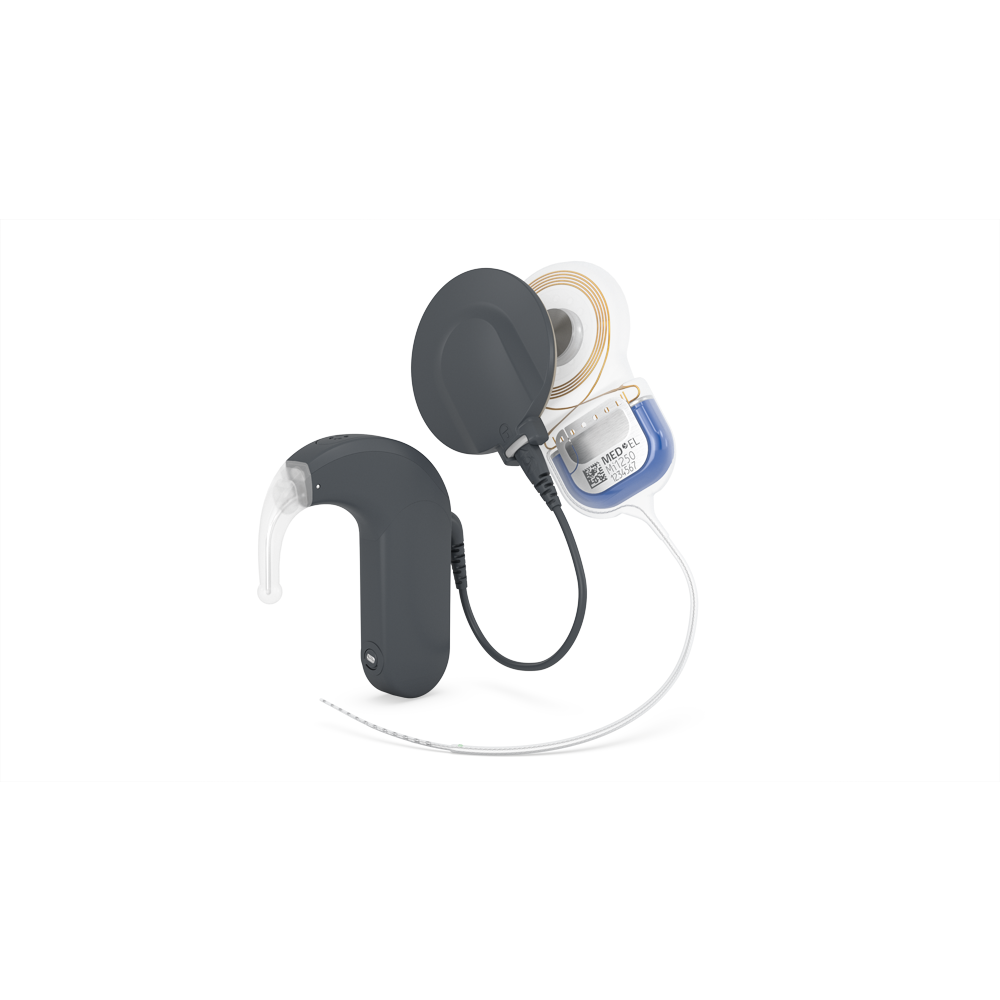
3. Implantable Hearing Solutions: In cases of severe to profound hearing loss, particularly when hearing aids are insufficient and the auditory nerve retains some functionality, implantable hearing solutions may be considered.

*   **Cochlear Implants:** While traditionally associated with cochlear hearing loss, cochlear implants can sometimes be an option for individuals with retrocochlear impairments if the auditory nerve is sufficiently intact to transmit the electrical signals generated by the implant. The decision to pursue cochlear implantation for retrocochlear hearing loss is complex and involves a thorough assessment of the individual's auditory nerve function and overall candidacy.
*   **Auditory Brainstem Implants (ABIs):** For individuals with severe to profound hearing loss due to damage or absence of the auditory nerve (e.g., following surgery for acoustic neuromas), ABIs offer a direct pathway to the brainstem, bypassing the non-functional nerve. These devices are surgically implanted and bypass the auditory nerve entirely to stimulate the cochlear nuclei in the brainstem.
The selection of the most appropriate treatment hinges on a comprehensive evaluation of the patient’s hearing levels, speech understanding capabilities, the integrity of the auditory nerve, and the specific underlying cause of the retrocochlear impairment.
When to Seek Professional Guidance
Prompt medical attention is paramount when experiencing any significant changes in hearing or related symptoms. It is advisable to consult a healthcare professional, such as an audiologist, ENT specialist, neurotologist, or neurologist, if you notice:
- Sudden or rapid changes in hearing ability.
- Noticeable differences in hearing between your ears.
- Persistent ringing or buzzing in your ears (tinnitus).
- Difficulty understanding speech, especially in noisy environments.
- Episodes of dizziness or imbalance.
- Any unexplained facial numbness or weakness.
Early diagnosis and intervention can significantly improve outcomes and prevent the potential progression of underlying conditions.
Key Takeaways for Understanding Retrocochlear Pathologies
Retrocochlear hearing loss represents a complex challenge affecting the auditory nerve and brainstem pathways, distinct from inner ear disorders. Its symptoms, which can include unilateral hearing loss, profound speech comprehension difficulties, tinnitus, and balance issues, necessitate careful evaluation. Diagnosis relies on a suite of tests, including standard audiometry, specialized ABR testing, and often advanced imaging like MRI. Treatment is highly individualized, ranging from medical management of underlying conditions to hearing rehabilitation and, in select cases, implantable hearing solutions. Recognizing the subtle and sometimes overt signs of retrocochlear impairment and seeking timely medical advice are crucial steps towards effective management and improving the quality of life for affected individuals. MED-EL, as a leader in hearing implant technology, offers a wealth of resources and expertise to support individuals on their journey to better hearing health, emphasizing the importance of comprehensive medical evaluation and personalized care plans.