A Chronology of Early Intervention
The narrative of Marna’s development is rooted in a structured, proactive approach to hearing loss that began in infancy. The timeline of her auditory journey highlights the necessity of early detection and intervention, which are widely recognized by medical professionals as the gold standard for children with hearing impairments.
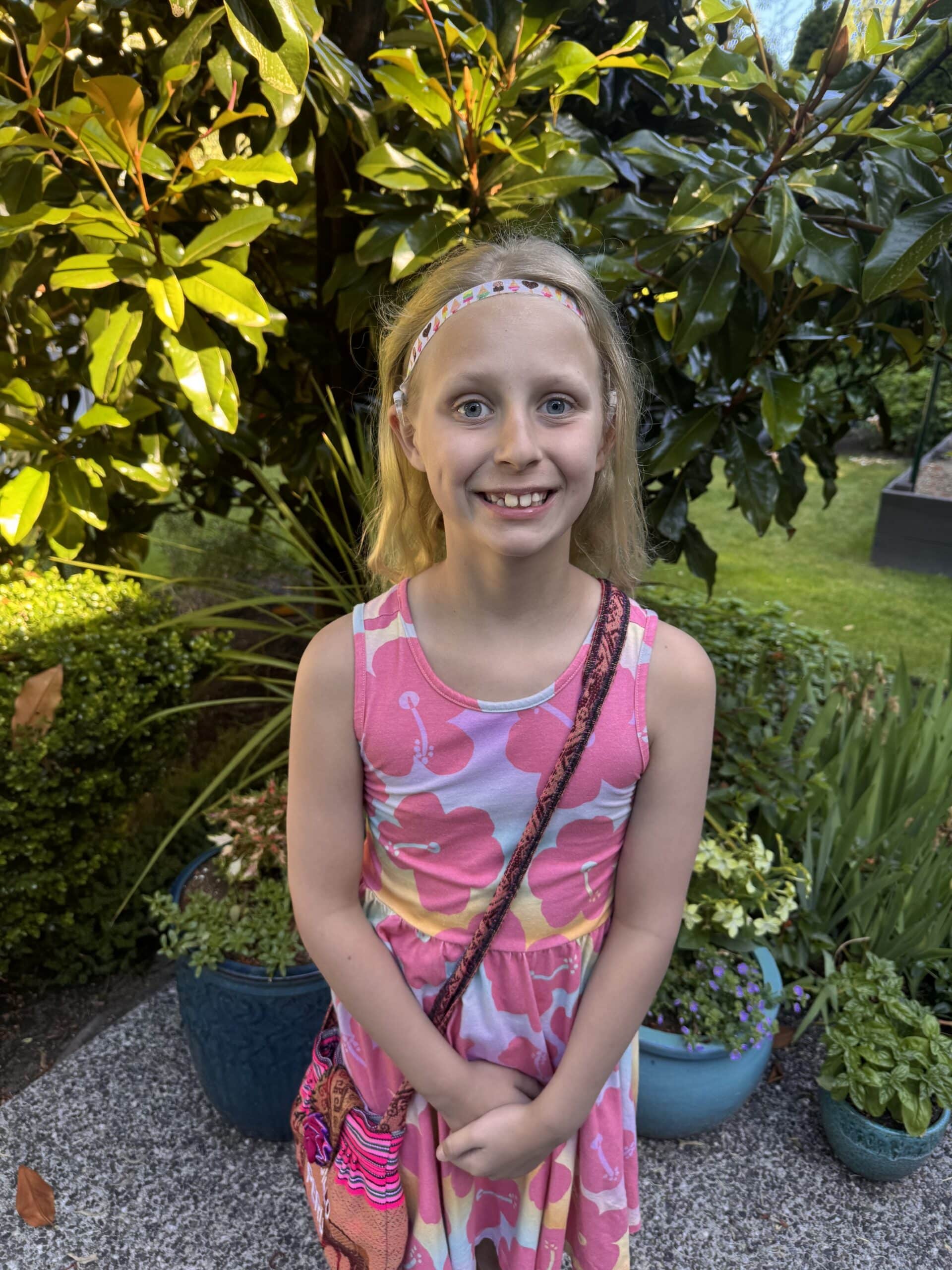
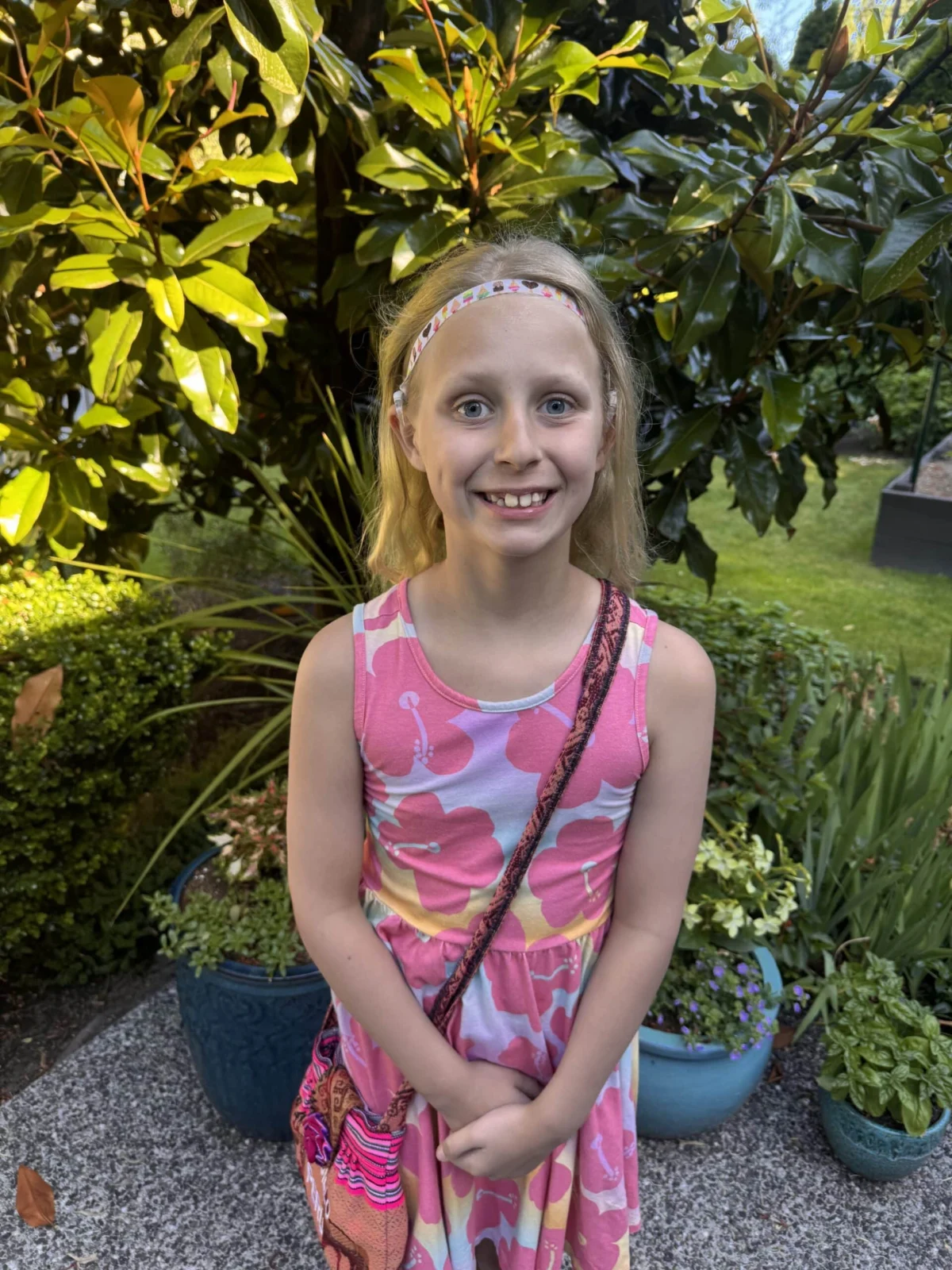
Marna’s journey commenced at the age of two months when she was fitted with her first pair of hearing aids. This initial step was crucial in ensuring her brain received the necessary auditory stimulation during the most critical period of neuroplasticity. By twelve months of age, she received her first cochlear implant, followed by a second implant at age two. These milestones were synchronized with the family’s engagement with Listen and Talk, a specialized center that emphasizes LSL—a methodology that focuses on teaching children who are deaf or hard of hearing to listen and talk using their hearing technology.
From ages three to five, Marna transitioned into the Listen and Talk Blended Classroom program. This environment, which integrates students with varying levels of hearing ability alongside specially trained educators, provided a bridge between clinical support and social integration. It was during this period that Marna refined her communication skills, built lasting friendships with peers navigating similar experiences, and developed the foundation for the confidence she displays today.
The Science and Strategy of Listening and Spoken Language
The LSL approach utilized by Marna’s caregivers is backed by significant research in the field of pediatric audiology. According to the Hearing First initiative, early access to sound, combined with a supportive, language-rich environment, allows children with hearing loss to develop spoken language skills comparable to their hearing peers.
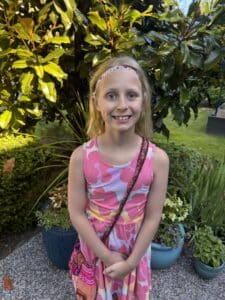
The strategy involves more than just the surgical or technological intervention of cochlear implants; it requires intensive, consistent, and expert-guided practice. In Marna’s case, the home visits provided by the Listen and Talk Birth-to-3 program were instrumental. These sessions equipped her parents with the pedagogical tools necessary to stimulate language development in everyday scenarios. By transforming daily routines into opportunities for linguistic growth, the family ensured that Marna’s auditory input was consistently linked to meaningful interaction.
Research indicates that children who participate in comprehensive, family-centered early intervention programs are more likely to achieve literacy milestones and social-emotional benchmarks consistent with their age group. The "Blended Classroom" model, specifically, offers a unique psychosocial benefit: it mitigates the potential for isolation by placing children in an environment where their technological aids are a commonality rather than an anomaly.
Supporting the Future: The Alumni Family Giving Campaign
The success stories of students like Marna have prompted the launch of the 2026 Alumni Family Giving Campaign. This initiative is designed to generate the necessary funding to sustain the rigorous, specialized programs that facilitated Marna’s progress. For organizations like Listen and Talk, philanthropic support is the lifeblood of operations, allowing them to bridge the gap between public funding and the high costs associated with specialized educators, speech-language pathologists, and advanced diagnostic equipment.

The campaign seeks to address the reality that, while technology like cochlear implants is life-changing, the technology itself is only as effective as the educational environment that supports its use. By investing in the human element—the teachers and the specialized curriculum—the campaign aims to ensure that no child is limited by their hearing loss.
The Broader Implications of Hearing Health Advocacy
The story of Marna Klein also touches upon the broader societal evolution regarding how we view and support deaf and hard-of-hearing individuals. In the past, the lack of early, effective interventions often limited the educational and vocational outcomes for children with significant hearing loss. Today, the focus has shifted toward autonomy, self-advocacy, and full participation in mainstream society.
Marna’s ability to advocate for herself—a skill she credits to her formative years at Listen and Talk—is a critical component of her success. Self-advocacy in this context involves understanding one’s own hearing needs, knowing how to explain them to teachers or coaches, and ensuring that accommodations are effectively utilized. This level of agency is a primary goal of modern pediatric audiological education. It shifts the child from a passive recipient of therapy to an active participant in their own communication environment.

Furthermore, the integration of children like Marna into diverse extracurricular activities—ranging from softball and soccer to swim teams—demonstrates the success of the LSL approach in fostering a child’s ability to function in high-demand, social, and fast-paced environments. Her active lifestyle underscores the fact that, with the right foundation, hearing loss does not have to be a barrier to full engagement in childhood experiences.
Analyzing the Path Forward
As Marna continues her education, the focus for the Klein family and the staff at Listen and Talk remains on long-term sustainability. The implications of the "no child is limited by hearing loss" vision are profound. It requires a commitment to continuous, high-quality care that evolves as the child grows.
Data from the American Cochlear Implant Alliance underscores the importance of continued support after the initial implantation. Long-term outcomes are heavily dependent on ongoing therapy and the regular monitoring of the device’s performance. The Alumni Family Giving Campaign, therefore, is not merely a request for donations; it is a commitment to the ongoing support systems that ensure that initial progress is not lost, but rather built upon throughout the child’s academic career.
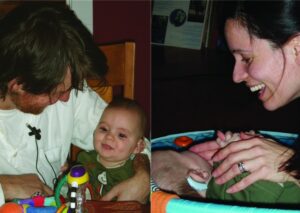
The intersection of technology, family dedication, and expert educational guidance has allowed Marna to thrive. As she continues to participate in sports, reading, and scouting, she stands as a beacon for other families just beginning their own journeys. For policymakers and the public alike, her progress serves as a compelling reminder of the high return on investment—both human and economic—found in early intervention programs. By prioritizing the development of listening and speaking skills in the first five years of life, society secures a future for these children that is defined by potential rather than limitation.
Those interested in contributing to this vision and supporting the next generation of students are encouraged to review the details of the 2026 Alumni Family Giving Campaign. The support provided today ensures that the specialized, intensive services that guided Marna through her early years remain available for the children who will follow in her footsteps, ensuring that every child has the opportunity to live their life at full volume.