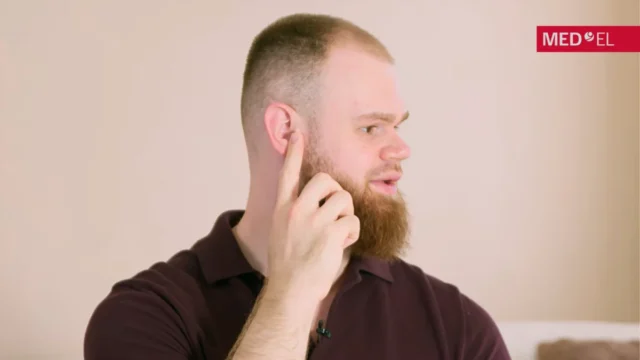

The Foundation of Auditory Rehabilitation: Consistent Processor Wear
The cornerstone of effective cochlear implant rehabilitation lies in the consistent and dedicated wear of the audio processor. This seemingly simple act provides the brain with a continuous stream of auditory input, which is crucial for neural plasticity and the development of new listening pathways. Experts emphasize that wearing the processor for as many waking hours as possible maximizes the brain’s exposure to sounds, allowing it to learn their meaning and context. This includes not only explicit listening tasks but also the ambient sounds of daily life – the hum of a refrigerator, the distant sounds of traffic, the subtle nuances of a colleague’s voice, or the melodies of a television program. These everyday auditory experiences, when processed consistently, contribute significantly to building robust auditory comprehension.
For individuals experiencing discomfort or difficulty with certain sounds, it is imperative to communicate these challenges to their hearing healthcare professional. Avoiding specific sounds can inadvertently hinder the rehabilitation process. Instead, working with audiologists and rehabilitation specialists allows for adjustments to the device settings or the implementation of targeted strategies to manage these auditory challenges, ensuring consistent and effective wear.
Integrating Short, Focused Listening Activities
Rehabilitation does not necessitate lengthy, dedicated training sessions that can be challenging to fit into busy schedules. Instead, incorporating short, focused listening activities into daily routines can be highly effective. These brief periods of concentrated auditory practice can be strategically placed throughout the day, making them more manageable and sustainable.

Examples of such activities include:
- Focused Listening to Audiobooks or Podcasts: Dedicate a few minutes during a commute or a quiet moment to actively listen to spoken content, focusing on understanding the narrative and distinguishing individual words and sentences.
- Interactive Games: Utilize apps or online resources that offer auditory games designed to improve sound discrimination, word recognition, and comprehension.
- Music Exploration: Engage with music by actively listening to familiar melodies, trying to identify different instruments or vocal lines. This can be a particularly enjoyable and motivating form of practice.
- Caption-Free Television Viewing: Begin by watching short segments of a familiar television program without captions, gradually increasing the duration and complexity of the content as comfort and comprehension improve.
The key to these activities is gradual progression. Starting with simpler tasks and progressively increasing the challenge, such as turning off captions or listening to more complex audio material, allows the brain to adapt and build its listening capabilities systematically.
Leveraging Technology for Enhanced Auditory Training
In today’s digitally connected world, specialized rehabilitation applications offer a structured and personalized approach to auditory training. These tools provide users with a convenient and engaging way to practice their listening skills independently, at their own pace.
The ReDi App: Developed by MED-EL, the ReDi app is a prime example of such a technological solution. It offers a comprehensive suite of exercises designed to target auditory and speech skills. With various difficulty levels and immediate feedback mechanisms, ReDi empowers users to track their progress and identify areas for improvement. Its flexibility allows for short, impactful listening sessions to be seamlessly integrated into any daily schedule, fostering continuous development and self-paced learning. The app’s design ensures that users can build confidence and refine their auditory processing capabilities through consistent, targeted practice.
Meludia: Music as a Rehabilitation Tool: For many, music is a powerful and enjoyable medium. The Meludia platform harnesses this power by employing music-based exercises to enhance the listening skills of hearing implant users. Meludia’s unique approach makes it accessible to individuals of all ages and musical backgrounds, offering levels ranging from "discovery" to "expert." This inclusivity ensures that everyone can benefit from its scientifically designed exercises, which aim to improve auditory perception, sound identification, and musical appreciation. By engaging with music in a structured manner, users can not only improve their hearing but also rediscover the joy of music.

Rediscovering Music: A Familiar Path to Auditory Acuity
The experience of listening to music after receiving a cochlear implant can be a transformative yet sometimes challenging aspect of rehabilitation. For many, familiar songs may sound different initially, requiring a period of adaptation and focused listening. A highly effective strategy is to begin by revisiting songs that are already well-known and cherished.
One user from the Hearpeers community shared their experience: "I listened over and over again until the song sounded like I remembered." This sentiment highlights the power of repetition and focused engagement. By selecting a familiar song and dedicating attention to its nuances, individuals can gradually reacquaint their brains with the auditory patterns and emotional resonance of music. Initially, following along with lyrics can aid comprehension, but gradually transitioning to listening without text allows for a deeper immersion and appreciation of the sonic landscape. It is important to acknowledge that auditory perception takes time to adjust, and not everything may sound precisely as remembered immediately. Allowing oneself the space and time to explore these new auditory experiences is crucial for successful integration.
Overcoming Auditory Challenges with Assistive Listening Technology
Navigating challenging listening environments, such as bustling restaurants, noisy public spaces, or even clear television and phone conversations, can present significant hurdles for cochlear implant users. These situations demand a higher level of auditory processing and can be mentally taxing.
Assistive Listening Devices (ALDs): To mitigate these challenges, assistive listening technology plays a pivotal role. Devices like MED-EL’s AudioLink XT and AudioStream Adapter are designed to bridge the gap between the sound source and the audio processor, delivering clearer and more direct sound. These technologies can stream audio directly from smartphones, televisions, and other electronic devices to the user’s CI, bypassing ambient noise and providing a more focused listening experience.
The AudioLink XT, for example, can also function as a remote microphone, enabling users to enhance their hearing in group settings or during presentations by placing the device closer to the speaker. This functionality is particularly beneficial in professional or social gatherings where understanding multiple speakers can be difficult.
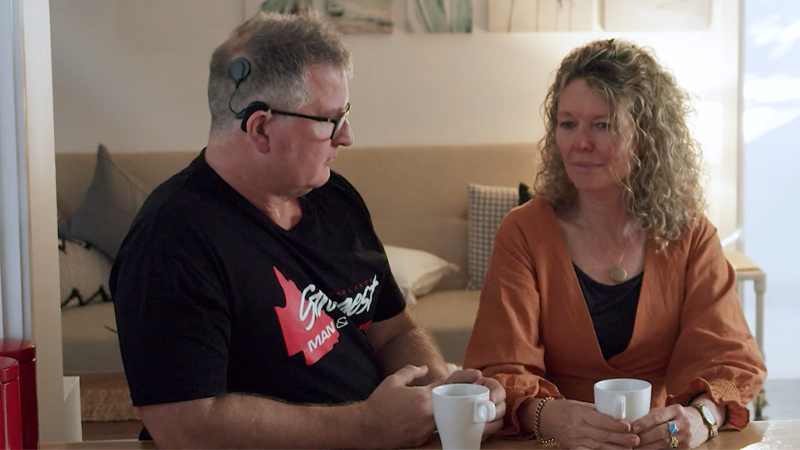
Consulting with a hearing professional is essential to identify the most suitable connectivity options compatible with an individual’s audio processor and specific listening needs. These technologies are not merely add-ons; they are integral tools that empower users to participate more fully in a wider range of auditory experiences.
Mastering Communication: Strategies for Effective Interaction
Effective communication is a two-way street, relying not only on the ability to hear but also on the environment and the communication strategies employed by all parties involved. Recognizing that different situations necessitate different approaches is key to successful interaction.
Proactive Communication Strategies: Individuals can adopt a range of strategies to enhance communication, including:
- Visual Cues: Maintaining eye contact and observing facial expressions can provide valuable context and aid in understanding.
- Minimizing Background Noise: Choosing quieter locations for conversations or requesting that noisy equipment be turned off can significantly improve clarity.
- Seeking Clarification: Rather than simply stating "I can’t hear you," more specific requests like "Could you please repeat the last sentence?" or "Could we move to a quieter spot?" provide actionable feedback.
- Face-to-Face Communication: Ensuring that the speaker is facing the listener allows for the optimal use of visual cues and lip-reading.
- Requesting Repetition or Rephrasing: Don’t hesitate to ask for information to be repeated or rephrased in a different way if it’s not understood.
Being proactive and clear about communication needs can foster a more supportive and understanding environment for everyone involved. Learning and practicing these communication strategies can significantly enhance social engagement and reduce the frustration associated with misunderstandings.
Finding a Personalized Rehabilitation Path
Ultimately, the journey of cochlear implant rehabilitation is a deeply personal one. There is no one-size-fits-all daily routine that will suit every individual. Factors such as personal hearing goals, professional commitments, family responsibilities, individual interests, and evolving listening abilities all shape the optimal approach.
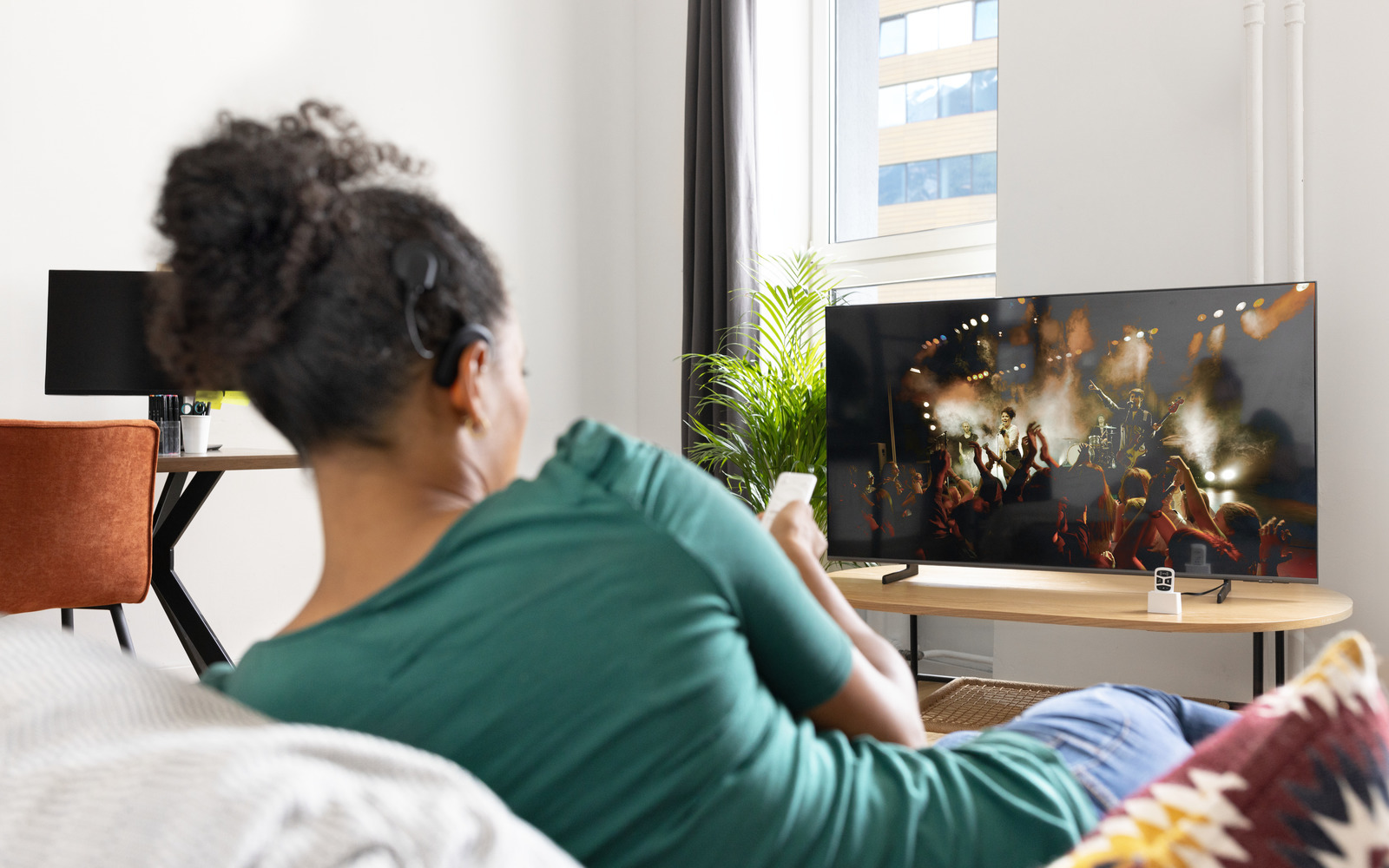
The encouraging reality is that opportunities for listening practice are abundant and can be found in virtually every aspect of daily life. By consistently wearing the audio processor, embracing assistive technologies, and actively employing effective communication strategies, individuals can transform everyday experiences into valuable learning opportunities. Whether it’s dedicating a few minutes to a rehabilitation app, enjoying an audiobook during a commute, engaging in a coffee shop conversation, or revisiting a beloved song, each moment contributes to the ongoing enhancement of auditory perception and comprehension. The integration of these practices ensures that the journey with a cochlear implant is not just about restored hearing, but about a richer, more connected experience of the world.
Seeking Professional Guidance
For personalized guidance on selecting appropriate listening activities and communication strategies tailored to individual hearing needs, consulting with a hearing professional or rehabilitation specialist is highly recommended. They can provide expert advice and support to help individuals navigate their unique rehabilitation path and achieve their hearing goals. For further information and support, individuals are encouraged to reach out to their local MED-EL team.
Contact Information:
For inquiries or to connect with a local MED-EL team, please visit: https://www.medel.com/contact-med-el
© MED-EL Medical Electronics. All rights reserved. The content on this website is for general informational purposes only and should not be taken as medical advice. Contact your doctor or hearing specialist to learn what type of hearing solution suits your specific needs. Not all products, features, or indications are approved in all countries.