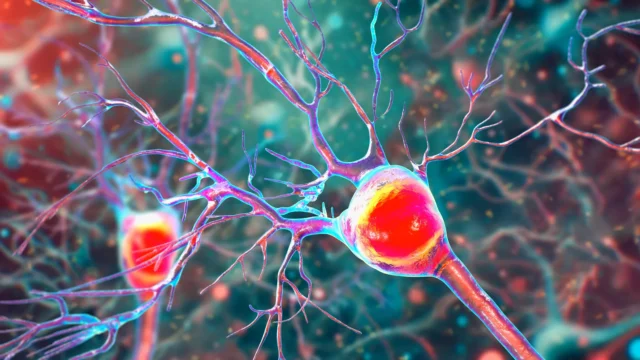

The collaborative effort included experts from the ASU-Banner Neurodegenerative Disease Research Center, the ASU School of Life Sciences, the Banner Sun Health Research Institute, and the Mayo Clinic in Arizona. By examining a cohort of adults in their 20s and 30s, the team identified a troubling correlation between obesity, systemic inflammation, and a specific protein known as neurofilament light chain (NfL), which serves as a "canary in the coal mine" for damage to brain cells.
The Emerging Biological Link Between Obesity and Brain Injury
While the medical community has long understood that obesity increases the risk of cardiovascular disease and type 2 diabetes, the direct impact on the youthful brain has remained less clear. This study shifts the focus from late-life symptoms to early-life biological shifts. The researchers found that young adults with obesity possessed significantly higher levels of inflammation-promoting proteins and liver enzymes, indicating that their bodies were already under chronic metabolic stress.
Most notably, the team measured elevated levels of NfL in the blood of obese participants. NfL is a structural protein found within neurons; when these cells are damaged or die, the protein leaks into the cerebrospinal fluid and eventually the bloodstream. High levels of NfL are a recognized hallmark of mild cognitive impairment (MCI), Alzheimer’s disease, and multiple sclerosis in older populations. Finding elevated NfL in otherwise healthy individuals in their 20s suggests that obesity-driven brain strain begins decades before the first signs of memory loss appear.
This discovery challenges the traditional view of Alzheimer’s as a strictly geriatric condition. Instead, it frames neurodegeneration as a cumulative process influenced by metabolic health throughout the lifespan. The study posits that the chronic inflammation and insulin resistance associated with obesity create a "primed" environment in the brain, making it more susceptible to further damage as the individual ages.
Choline: The Essential Nutrient in Short Supply
A pivotal component of the ASU research involves the nutrient choline. Choline is critical for various bodily functions, including maintaining the integrity of cell membranes, regulating gene expression, and supporting liver function. Most importantly for cognitive health, choline is a precursor to acetylcholine, a neurotransmitter essential for memory, mood, and muscle control.
The study revealed that participants with obesity had markedly lower levels of circulating choline compared to their healthy-weight counterparts. These low choline levels were directly correlated with higher markers of inflammation and increased levels of the brain-injury marker NfL. This suggests that choline may act as a protective buffer; when levels are sufficient, the brain and liver are better equipped to handle metabolic stress. When choline is deficient, the damaging effects of obesity on the brain are seemingly amplified.
Despite its importance, choline is often missing from the average American diet. National nutrition surveys indicate that approximately 90% of the U.S. population does not meet the daily recommended intake. For men, the recommended amount is 550 mg per day, while for women, it is 425 mg (increasing during pregnancy and lactation). The ASU study found that women in the participant group had even lower choline levels than the men, a finding that may have long-term implications given that women are disproportionately affected by Alzheimer’s disease later in life.
Comparative Analysis: The Young vs. The Aging Brain
To contextualize their findings, the ASU research team compared the data from their young adult participants with data from older adults who had already been diagnosed with mild cognitive impairment or Alzheimer’s disease. The results were striking: the biological profile of a young adult with obesity—specifically the pairing of low choline and high NfL—closely mirrored the profiles seen in elderly patients with early-stage dementia.
This comparison provides a sobering look at how metabolic dysfunction can effectively "age" the brain’s biological markers. While the young participants did not yet show behavioral signs of cognitive decline or memory loss, the molecular "scars" of neurodegeneration were already present. This suggests a long latency period where lifestyle interventions could potentially stall or reverse the trajectory toward Alzheimer’s.
The researchers pointed to previous rodent studies as a basis for these observations. In those trials, mice deprived of dietary choline developed obesity, liver dysfunction, and increased levels of amyloid-beta plaques—the protein clumps that characterize Alzheimer’s pathology. The human data from ASU reinforces the idea that what is observed in controlled laboratory settings is manifesting in the general population due to modern dietary habits and rising obesity rates.
Implications for Modern Weight-Loss Treatments
The study’s findings arrive at a time when the use of GLP-1 receptor agonists, such as semaglutide (Ozempic, Wegovy) and tirzepatide (Mounjaro, Zepbound), is skyrocketing. While these medications are highly effective at inducing weight loss and improving metabolic markers like blood sugar and blood pressure, they work primarily by suppressing appetite and slowing gastric emptying.
The ASU researchers expressed a nuanced view of these treatments. While weight loss is generally beneficial for reducing systemic inflammation, the dramatic reduction in food intake associated with GLP-1 drugs could inadvertently lead to severe nutritional deficiencies. If a patient is eating significantly less, they are also consuming significantly less choline.
"Adding choline-rich foods to your routine can help reduce inflammation and support both your body and brain as you age," noted Wendy Winslow, first co-author of the study. The researchers suggested that future clinical protocols for weight loss might need to include specific nutritional supplementation or counseling to ensure that as patients lose weight, they do not lose the essential nutrients required to protect their neurological health.
Methodology and Study Design
The research was meticulously designed to isolate the effects of obesity and choline status. The team recruited 30 adults in their 20s and 30s, ensuring an even split between those with a Body Mass Index (BMI) in the "healthy" range and those in the "obese" range. By focusing on this specific age bracket, the researchers could observe metabolic effects before the natural aging process or age-related comorbidities clouded the data.
Participants provided fasting blood samples, which were subjected to a comprehensive panel of tests. These included:
- Circulating Choline Levels: To determine dietary and metabolic status.
- Inflammatory Cytokines: Specifically IL-6 and TNF-alpha, which are markers of systemic "burning."
- Liver Enzymes: Such as ALT and AST, to assess hepatic stress.
- Metabolic Markers: Including insulin and glucose levels to check for insulin resistance.
- Neurofilament Light Chain (NfL): To detect subclinical neuronal damage.
The data analysis revealed a consistent "clustering" of negative markers. Those with high BMI almost universally showed lower choline, higher insulin resistance, and higher NfL. The statistical strength of these correlations suggests that these factors are not merely coincident but are biologically intertwined.
A Call for Public Health Intervention
The broader implications of the ASU study are significant for public health policy. As obesity rates continue to climb among teenagers and young adults, the medical community may be facing a future "silver tsunami" of cognitive decline that starts earlier and hits harder than previous generations.
Experts suggest that increasing public awareness of choline is a necessary first step. Unlike vitamin C or calcium, choline is rarely discussed in general health discourse. Rich dietary sources include:
- Animal Proteins: Eggs (specifically the yolks), beef liver, chicken breast, and wild-caught salmon.
- Plant Sources: Soybeans, kidney beans, and cruciferous vegetables like broccoli, cauliflower, and Brussels sprouts.
- Supplements: For those unable to meet requirements through diet, choline bitartrate or phosphatidylcholine supplements are available, though experts recommend food sources first for better absorption.
"Our results suggest that, in young adults, good metabolic health and adequate choline contribute to neuronal health, laying the groundwork for healthy aging," said Jessica Judd, a co-author of the study.
Conclusion and Future Research
The ASU study serves as a critical link in the chain of understanding how the body’s metabolic state dictates the brain’s longevity. It highlights that the damage associated with Alzheimer’s does not begin in one’s 60s or 70s, but is a slow-burning fire that can be ignited in one’s 20s by obesity and poor nutrition.
By identifying NfL as a measurable marker in young populations, the research provides a potential tool for early screening. In the future, a simple blood test for choline and NfL could allow physicians to identify at-risk individuals decades before symptoms arise, enabling aggressive lifestyle and dietary interventions.
Ongoing research at the ASU-Banner Neurodegenerative Disease Research Center will continue to follow these cohorts to determine if increasing choline intake can actively lower NfL levels and improve metabolic resilience. For now, the message is clear: protecting the brain is a lifelong endeavor that begins with maintaining a healthy weight and ensuring the body has the essential nutrients it needs to thrive. The "metabolic-cognitive" axis is no longer a theory; it is a biological reality that demands immediate attention from both the medical community and the public.