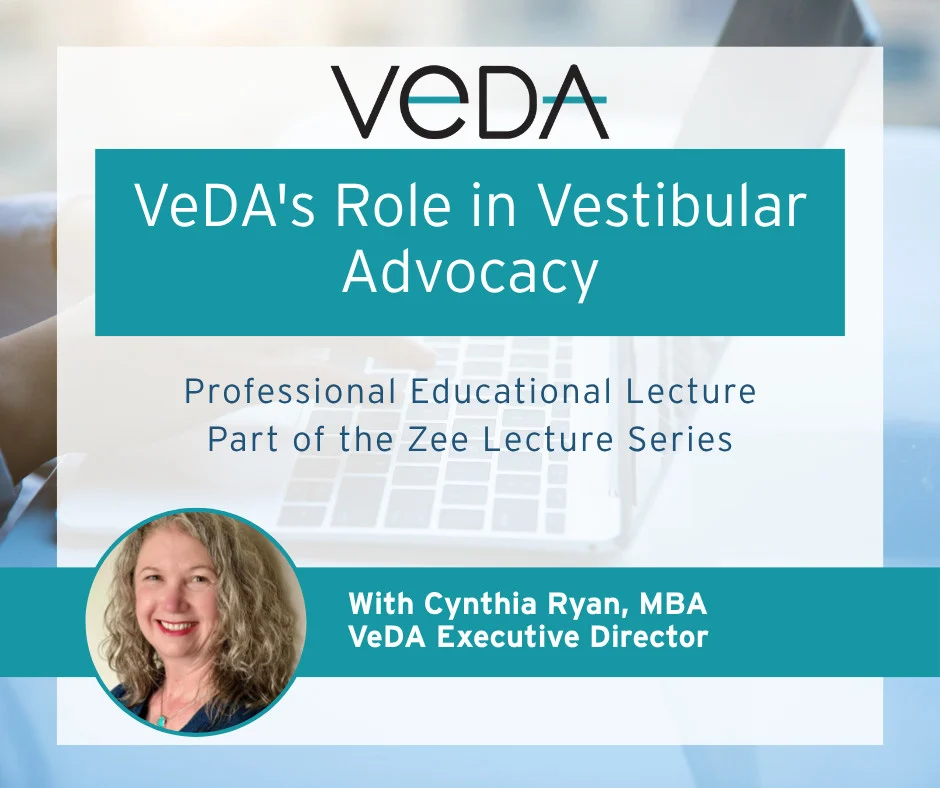
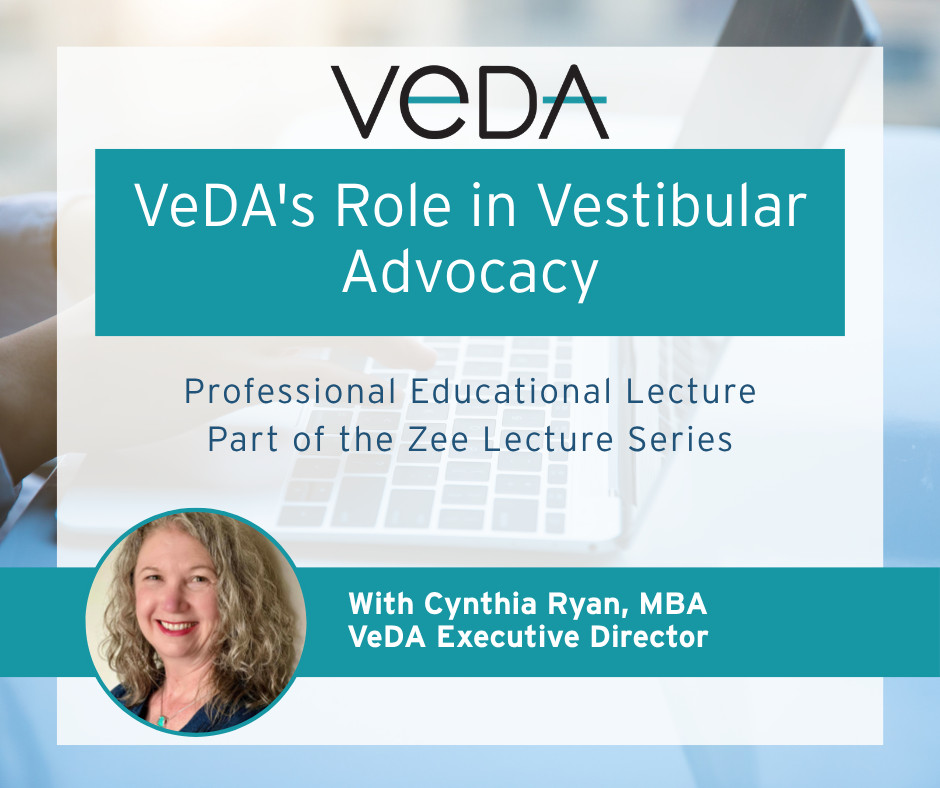
For healthcare professionals, the vestibular system is a marvel of biological engineering, involving the inner ear and brain regions that process sensory information to control balance and eye movements. However, for the millions of individuals affected by vestibular dysfunction, the medical definition of their condition often pales in comparison to the lived experience of vertigo, chronic imbalance, and cognitive "brain fog." Ryan’s presentation argued that while clinicians are essential for the physical management of these disorders, a comprehensive recovery framework must integrate patient advocacy, peer support, and longitudinal education to address the profound psychosocial impact of vestibular illness.
The Magnitude of the Vestibular Health Crisis
To understand the necessity of advocacy, one must first look at the prevalence and economic burden of vestibular disorders. According to data from the National Institute on Deafness and Other Communication Disorders (NIDCD), approximately 35% of adults aged 40 years or older in the United States—roughly 69 million people—have experienced some form of vestibular dysfunction. Despite this high prevalence, vestibular conditions remain some of the most misunderstood and underdiagnosed issues in modern healthcare.
The "Diagnostic Odyssey," a term used to describe the long and often agonizing journey patients undergo to receive an accurate diagnosis, remains a primary hurdle. On average, vestibular patients visit four to five different doctors over several months, or even years, before finding a specialist who can correctly identify their condition. During this time, patients often undergo redundant testing and receive conflicting advice, leading to heightened anxiety and a sense of medical gaslighting. Ryan emphasized that this delay in care does not just cause physical suffering; it creates a cascade of secondary issues, including loss of employment, social withdrawal, and the development of Persistent Postural-Perceptual Dizziness (PPPD), a chronic condition often triggered by unresolved acute vestibular events.
A History of Advocacy: The Evolution of VeDA
The chronology of vestibular advocacy is intrinsically linked to the growth of VeDA. Founded in 1985, the organization began as a grassroots support network for individuals suffering from Meniere’s disease and other balance disorders. Over the ensuing four decades, it has evolved into the global hub for the vestibular community, bridging the gap between patients, clinicians, and researchers.
In its early years, VeDA focused primarily on providing printed literature to patients who felt isolated by their "invisible" symptoms. However, as the digital age transformed healthcare, the organization expanded its reach. Today, VeDA serves as a clearinghouse for peer-reviewed medical information, translated into multiple languages to ensure global accessibility. The organization’s timeline is marked by significant milestones, including the establishment of "Balance Awareness Week" and the creation of a comprehensive provider directory that lists specialists across disciplines such as neurotology, audiology, and vestibular physical therapy. This directory is now a cornerstone of the patient journey, helping individuals bypass the traditional diagnostic delays by connecting them directly with vetted experts.
The Clinical Disconnect and the Power of Peer Support
One of the most poignant segments of the Zee Lecture Series presentation involved the testimonials of patient advocates Glenn Schweitzer and Jeannette Tousignant. Their stories highlighted a recurring theme in vestibular care: the emotional toll of invisible illness. Unlike a broken limb or a visible wound, vestibular symptoms are internal and often fluctuate unpredictably.
"Healthcare professionals frequently focus on reducing symptoms, which is vital," Ryan noted during her talk. "But peer support helps patients rebuild confidence, resilience, and hope."
The presentation detailed how VeDA’s support structures, such as the "Dizzy Moms Club" and the "Dizzy Together" program, provide a level of empathy that a clinical environment cannot replicate. For a patient struggling to explain why they cannot drive or hold their child due to vertigo, meeting others who have navigated the same challenges is transformative. This community connection acts as a buffer against the depression and anxiety that frequently accompany chronic dizziness, which studies suggest affect upwards of 50% of vestibular patients.
Data-Driven Advocacy: The Dizziness, Vertigo & Imbalance Patient Registry
Beyond emotional support, VeDA is increasingly playing a role in the scientific advancement of the field. The organization’s "Dizziness, Vertigo & Imbalance Patient Registry" represents a major leap forward in collecting real-world evidence (RWE). While clinical trials often take place in controlled environments with specific inclusion criteria, the registry captures the messy, complicated reality of living with these conditions over time.
This data is already being used to inform peer-reviewed research, identifying unmet needs in patient care and highlighting the socioeconomic impact of vestibular disorders. By collaborating with academic institutions and providing grants, such as the ANS/VeDA Clinical Outcomes Research Grant, the organization ensures that the patient’s voice is represented in the laboratory. This partnership helps researchers focus on outcomes that matter most to patients, such as "return to work" metrics and quality-of-life improvements, rather than just physiological markers of vestibular function.
Implications for Healthcare Systems and Future Innovation
The Zee Lecture Series presentation concluded with a forward-looking analysis of how technology and narrative medicine will shape the future of vestibular care. Ryan revealed that VeDA is exploring AI-powered educational tools designed to provide personalized information to patients based on their specific symptoms and stage of recovery. Furthermore, the organization is working on "patient navigation" and triage resources intended to assist general practitioners in identifying vestibular red flags sooner, thereby shortening the diagnostic timeline.
The integration of "narrative medicine"—the practice of using patients’ life stories to inform clinical practice—is also a priority. By training healthcare professionals to listen more deeply to the lived experience of vestibular illness, the medical community can move toward a more compassionate, patient-centered model.
The implications of this shift are significant. For healthcare systems, a more informed and supported patient population leads to better adherence to vestibular rehabilitation programs, fewer unnecessary emergency room visits for vertigo episodes, and improved long-term outcomes. For the individual, it means moving from a state of fear and confusion to one of empowerment and adaptation.
Conclusion: A Shared Responsibility for Recovery
The central message of the Zee Lecture Series is that advocacy is not a supplement to healthcare; it is an essential component of it. The partnership between clinicians and organizations like VeDA creates a continuum of care that extends from the first onset of symptoms to the long-term management of a chronic condition.
As Ryan succinctly stated, healthcare professionals provide the medical intervention necessary to stabilize the patient, but advocacy organizations provide the tools for the patient to rebuild their life. This synergy is particularly vital in a field where symptoms are often invisible and the path to recovery is non-linear.
As the medical community continues to unravel the complexities of the vestibular system, the role of the patient journey will only become more prominent. The collaboration between researchers, clinicians, and advocates ensures that the future of vestibular care is not just about treating a set of symptoms, but about restoring the person behind the diagnosis to a life of balance and purpose. Through the continued efforts of VeDA and the insights shared in forums like the Zee Lecture Series, the "invisible" patient is finally becoming seen, heard, and supported on a global scale.