The Limitations of the Audiogram: A Deeper Look
An audiogram plots an individual’s hearing threshold across a range of frequencies (measured in Hertz, Hz) and intensities (measured in decibels, dB). It visually represents the softest sounds a person can detect at different pitches. This diagnostic tool, developed in the early 20th century and standardized over decades, is invaluable for identifying the presence, type, and degree of hearing loss. It helps audiologists determine if a loss is conductive, sensorineural, or mixed, and guides decisions on amplification technology like hearing aids or cochlear implants.
However, the audiogram’s strength in detecting sound does not translate to measuring the effort required to understand speech. Understanding speech is a far more complex cognitive process than mere detection. It involves not only the auditory system but also significant brain activity related to attention, memory, executive function, and the ability to fill in missing information. For individuals with hearing loss, even with the aid of amplification, the auditory signal received by the brain is often degraded or incomplete. The brain must then expend considerable energy to piece together fragmented sounds, distinguish speech from background noise, and interpret meaning, often relying heavily on visual cues like lip-reading and contextual information.
The Science of Listening Effort and Cognitive Load
Research in audiology and cognitive science increasingly focuses on "listening effort" – the mental exertion required to attend to, understand, and remember auditory information. This effort is directly linked to cognitive load, which refers to the total amount of mental effort being used in working memory. When the auditory signal is compromised due to hearing loss, the brain’s cognitive resources are diverted from higher-level processing (like comprehension and memory) to lower-level tasks (like decoding speech sounds).
Studies using pupillometry (measuring pupil dilation as an indicator of cognitive load) and electroencephalography (EEG) have demonstrated that individuals with hearing loss exhibit significantly higher listening effort than their peers with normal hearing, even when performing equally well on speech comprehension tasks. This heightened effort is not constant; it fluctuates based on the complexity of the listening environment, the number of speakers, the presence of background noise, and the individual’s fatigue levels. A bustling holiday gathering, for instance, with multiple conversations, children playing, and ambient music, represents a particularly challenging scenario, demanding peak cognitive expenditure.
A Chronology of Understanding: From Detection to Effort
Historically, the focus of audiology has largely been on restoring audibility – making sounds loud enough to be heard. The development of increasingly sophisticated hearing aids, from analog devices to advanced digital processors, has significantly improved sound detection and, to a degree, clarity.
- Early 20th Century: Invention and standardization of the audiometer, establishing the audiogram as the primary diagnostic tool.
- Mid-20th Century: Advancements in hearing aid technology, primarily focusing on amplification.
- Late 20th Century: Introduction of digital hearing aids, offering more precise sound processing and noise reduction. Cochlear implants emerge as a transformative solution for profound hearing loss.
- Early 21st Century: Growing recognition within the audiological community that audibility alone is insufficient. Research begins to quantify listening effort and its impact on cognitive resources. Concepts like "auditory fatigue" and "listening-related fatigue" gain prominence.
- Present Day: A shift towards a more holistic, patient-centered approach that considers the full spectrum of a person’s communication needs and cognitive well-being, moving beyond just hearing thresholds.
This evolution underscores a critical paradigm shift: from simply measuring what a person can hear to understanding how they hear and the associated cognitive demands.
The Invisible Toll: Mental Health and Energy Levels
The constant expenditure of listening effort takes a substantial toll on an individual’s mental health and overall energy levels. Many people with hearing loss report experiencing significant fatigue at the end of a day filled with social interactions, a phenomenon often termed "listening fatigue" or "auditory fatigue." This isn’t just physical tiredness; it’s a profound mental exhaustion that can mimic burnout.
This pervasive fatigue can lead to:
- Social Withdrawal: Individuals may avoid social situations to conserve energy or to prevent the frustration of miscommunication.
- Increased Stress and Anxiety: The fear of misunderstanding, the pressure to perform in conversations, and the constant vigilance can elevate stress levels.
- Irritability and Grumpiness: As cognitive resources deplete, patience wears thin, leading to irritability.
- Reduced Productivity: Mental fatigue can spill over into other areas of life, affecting work performance and daily tasks.
- Impact on Relationships: Communication breakdowns can strain relationships with family, friends, and colleagues.
- Depression: Chronic fatigue, social isolation, and the persistent struggle to communicate are known risk factors for depression. Data from organizations like the National Institute on Deafness and Other Communication Disorders (NIDCD) highlight a strong correlation between untreated hearing loss and higher rates of depression and anxiety.
Statements from Related Parties and Expert Insights
Leading audiology organizations, such as the American Academy of Audiology (AAA) and the British Academy of Audiology (BAA), have increasingly emphasized the need for a broader assessment framework.
Dr. Sarah Johnson, a prominent researcher in auditory cognitive science, notes, "While the audiogram is a foundational tool, it’s merely the first step. We need to integrate validated measures of listening effort and self-reported communication difficulties into our clinical practice. Patients often express that they ‘can hear, but not understand,’ and that feeling of constant struggle is what truly impacts their quality of life."
Patient advocacy groups, like the Hearing Loss Association of America (HLAA), actively campaign for greater awareness of these invisible challenges. A spokesperson for HLAA stated, "Our community consistently reports the exhaustion that comes with trying to connect. It’s not just about getting louder sounds; it’s about reducing the mental gymnastics required for every conversation. We advocate for a holistic approach that empowers individuals with strategies beyond just hearing aids."
Beyond Amplification: Strategies for Reducing Energy Burden
While hearing aids and cochlear implants are critical for providing access to sound, they are not a complete solution for managing listening effort. A multi-faceted approach is essential:
-
Communication Strategies:
- Advocacy: Learning to inform others about one’s hearing loss and request clear communication (e.g., "Please face me when you speak," "Can you rephrase that?").
- Environmental Modification: Choosing quieter environments for conversations, reducing background noise, and optimizing lighting for lip-reading.
- Pre-emptive Planning: Mentally preparing for challenging listening situations and planning breaks.
- Verification: Confirming understanding by rephrasing what was heard.
-
Cognitive Coping Mechanisms:
- Pacing: Recognizing when cognitive fatigue is setting in and taking breaks.
- Mindfulness: Practicing techniques to manage stress and frustration associated with communication breakdowns.
- Self-Compassion: Acknowledging that one cannot hear or understand everything and forgiving oneself for imperfections in communication. This shifts the focus from wanting to hear perfectly to wanting to communicate effectively, a profound psychological adjustment.
-
Technological Supplements:
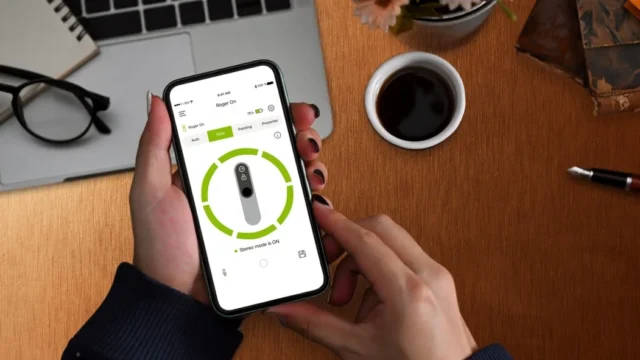
- Assistive Listening Devices (ALDs): FM systems, remote microphones, and loop systems can significantly improve signal-to-noise ratio in challenging environments.
- Captioning and Transcription Services: Utilizing live captioning on phones, TVs, and meeting platforms can reduce reliance on auditory processing.
- Visual Communication: Embracing sign language or visual aids when appropriate.
-
Audiological Counseling and Rehabilitation:
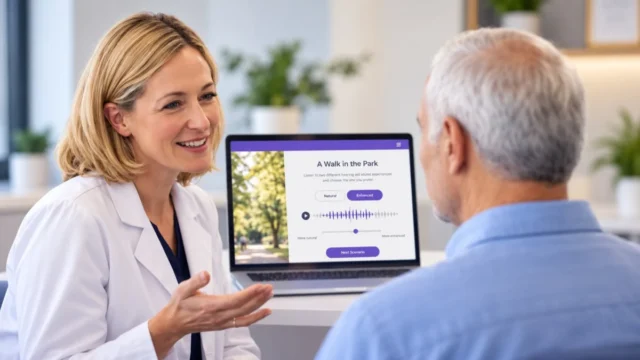
- Audiologists can play a crucial role by educating patients about listening effort, providing communication strategies, and helping them set realistic expectations. This goes beyond simply fitting devices to offering comprehensive aural rehabilitation.
- Implementing tools that do measure listening effort (e.g., self-assessment questionnaires like the Speech, Spatial, and Qualities of Hearing Scale – SSQ, or the Communication Strategies Scale – CSS) can provide a more complete picture of a patient’s daily challenges.
Broader Impact and Implications
The growing understanding of listening effort has significant implications for various sectors:
- Healthcare Policy: Advocates are pushing for healthcare systems to recognize and fund comprehensive audiological rehabilitation services that extend beyond basic hearing aid provision.
- Workplace Accommodation: Employers need to be more aware of the cognitive demands on employees with hearing loss and provide appropriate accommodations, such as quiet workspaces, remote microphone systems for meetings, and access to captioning.
- Education: Educational institutions must ensure that students with hearing loss receive support that addresses cognitive fatigue, not just sound amplification.
- Public Awareness: A broader societal understanding that hearing loss is not merely about volume but about processing effort can foster greater empathy and more effective communication practices.
- Technology Development: Future hearing technology research needs to prioritize reducing cognitive load, not just improving sound clarity. This includes advanced noise reduction algorithms, personalized sound processing, and integration with AI-powered communication assistance.
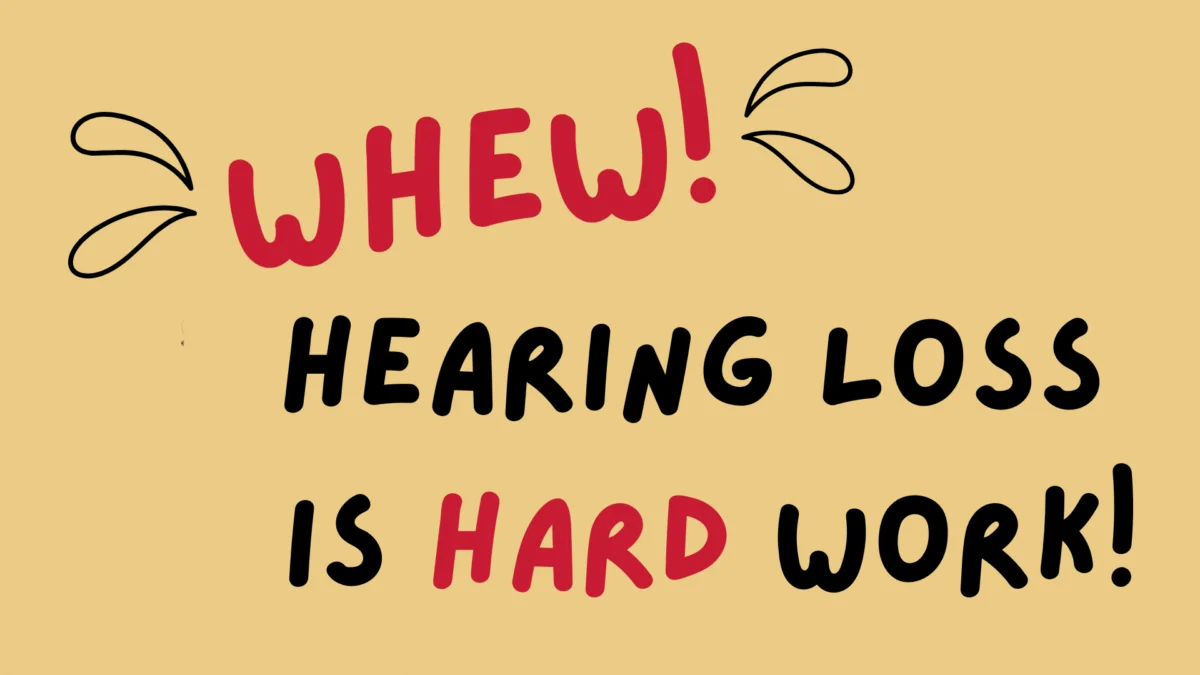
In conclusion, while the audiogram remains an indispensable diagnostic tool, it offers only a partial view of the lived experience of hearing loss. The unseen burden of listening effort, with its profound impact on mental health, energy levels, and social engagement, demands greater recognition and a more holistic approach to care. By embracing a patient-centered model that integrates subjective experience with objective measures, and by providing comprehensive strategies and support, we can empower individuals with hearing loss to navigate their communication challenges with less fatigue and greater confidence, ultimately improving their overall quality of life. Making hearing loss "easier" is not just about making sounds audible; it’s about reducing the relentless work of understanding.