The ReSound Sensia system, which was initially introduced for commercial sale in the United States in August 2026, integrates GN’s innovative AI processing platform. This sophisticated platform is specifically engineered to improve speech comprehension in challenging and noisy listening environments, a common complaint among hearing aid users. A key benefit of this technology is its ability to reduce the need for manual adjustments to hearing aid settings, thereby offering a more seamless and intuitive user experience. The underlying technology and its unique approach to automatic speech-in-noise processing were previously explored in depth during a "This Week in Hearing" discussion, featuring insights from GN’s Laurel Christensen and Brian Dam Pedersen, highlighting the rigorous development and clinical focus behind Sensia.
Addressing the Unique Hearing Needs of Veterans
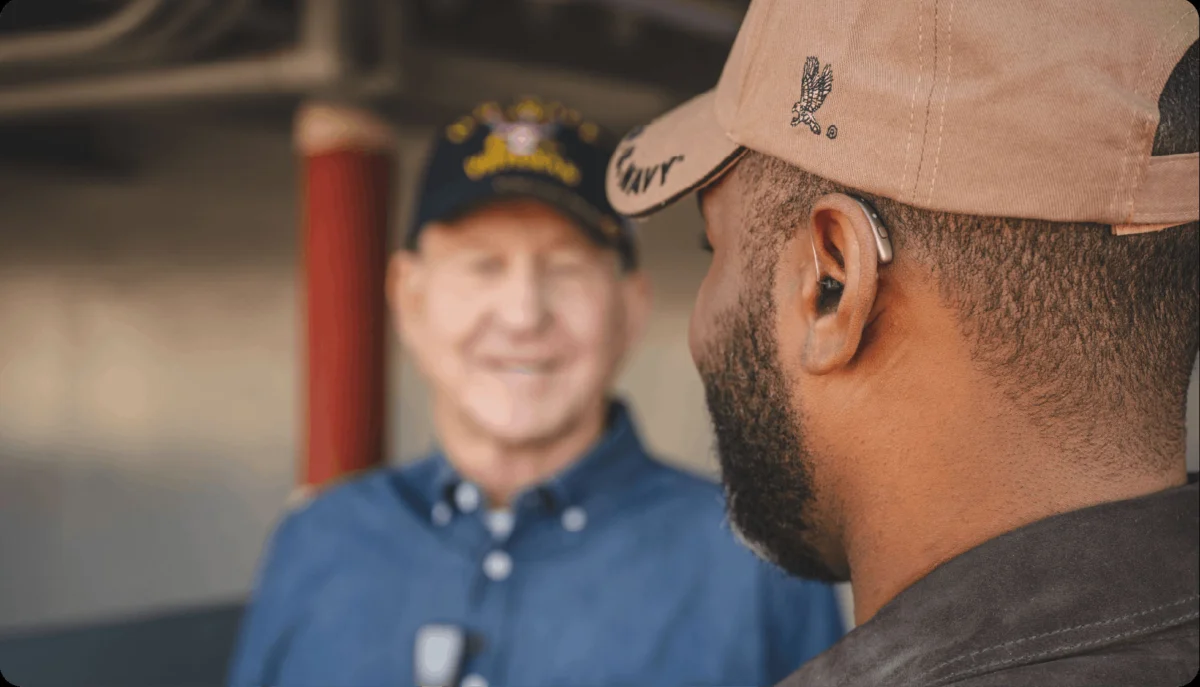
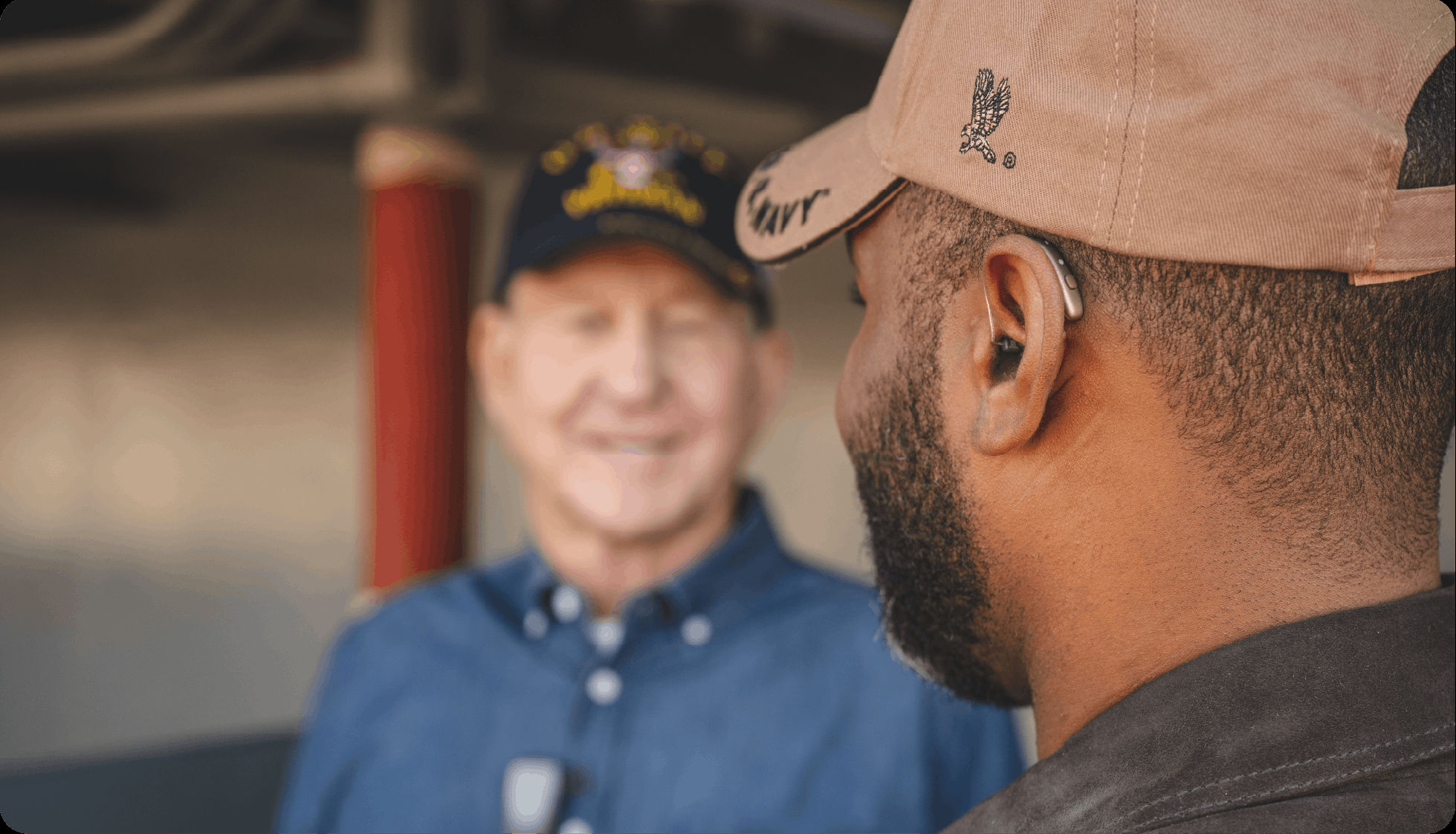
Veterans constitute a demographic with a disproportionately high prevalence of hearing loss and related conditions such as tinnitus, often stemming from exposure to high-intensity noise during military service, combat situations, or training exercises. According to the U.S. Department of Veterans Affairs, hearing loss and tinnitus are among the most common service-connected disabilities, affecting millions of veterans. This reality underscores the critical importance of providing advanced and effective hearing solutions through the VA healthcare system. The nature of military service can lead to sensorineural hearing loss, often characterized by difficulty understanding speech in noisy environments, making technologies like ReSound Sensia particularly relevant. Furthermore, hearing impairment can significantly impact mental health, contributing to social isolation, anxiety, and depression, making access to effective treatment a holistic health imperative.
Bob Eastman, Vice President of ReSound Government Services, emphasized this critical need, stating, "Veterans often have unique hearing needs, and they deserve the latest technology that helps them join in on the moments that matter most to them without worrying about missing the conversations." Eastman further elaborated on the core benefit of the Sensia technology: "ReSound Sensia provides proven technology that automatically raises the voices that they want to hear, not simply the loudest noise in the room." This focus on discerning desired speech from ambient noise is a cornerstone of the AI-driven approach, directly addressing a primary challenge for individuals with hearing loss, especially in complex social settings.
The Intelligent All-Around AI Technology: A Deep Dive
At the technological heart of the ReSound Sensia portfolio lies "Intelligent All-Around," a proprietary sound-processing approach meticulously designed to optimize speech understanding across a diverse array of listening environments. This system synergistically combines three distinct, yet integrated, technologies to achieve its advanced performance.
The first component is AcoustIQ, GN’s sophisticated environmental classification technology. AcoustIQ functions as the system’s "ears," analyzing surrounding sounds with remarkable precision to automatically identify the specific acoustic environment – be it a quiet conversation, a bustling restaurant, or a windy outdoor setting. Based on this real-time analysis, AcoustIQ then intelligently engages the most appropriate processing features within the hearing aid. GN’s internal research indicates that AcoustIQ demonstrated an impressive 88% greater accuracy in environmental classification and subsequent feature engagement when compared against the closest competing premium solution evaluated in their referenced studies. This high level of accuracy ensures that the hearing aid is always operating in the most effective mode for the user’s current surroundings, minimizing the need for manual intervention.
Complementing AcoustIQ, the Sensia platform also incorporates advanced four-microphone directional beamforming. This technology leverages multiple microphones on each hearing aid to create a focused "beam" of sound, isolating and amplifying sounds coming from a specific direction, typically the front, where a conversational partner would be located. This directional focus is crucial for reducing interference from side and rear noises.
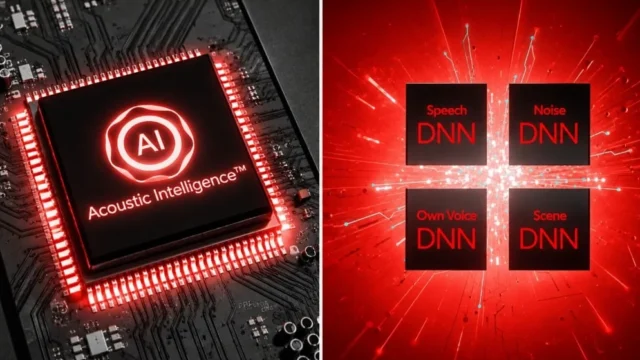
Finally, the system integrates deep neural network (DNN) noise reduction. DNNs are a form of artificial intelligence trained on vast datasets of sounds, allowing them to differentiate between speech and various types of noise with exceptional fidelity. By applying DNN algorithms, ReSound Sensia can effectively suppress unwanted background noise while preserving the clarity and nuances of human speech. Together, these three technologies – AcoustIQ, four-microphone directional beamforming, and DNN noise reduction – are meticulously designed to help users concentrate on the speech source directly in front of them, preventing the common pitfall of simply amplifying the loudest sound in the environment, which can often be irrelevant noise.
Independent testing conducted at Hörzentrum Oldenburg in Germany has provided further validation for these claims, demonstrating measurable improvements in the audibility of an intended speaker, even under particularly challenging listening conditions. The system’s ability to automatically adapt and respond to subtle or significant changes in the listening environment is a core benefit, substantially reducing the necessity for users to manually switch programs or make adjustments via the ReSound Smart 3D app. While the technology is engineered for automatic operation, GN responsibly notes that actual listening outcomes are dynamic and depend on several factors, including the unique acoustic environment, individual hearing needs, and the specific configuration and fitting of the hearing aid. This comprehensive approach underscores GN’s commitment to delivering a truly intelligent and adaptive hearing experience.
Expanded Portfolio for VA Audiologists: Diverse Options for Diverse Needs
The introduction of the ReSound Sensia portfolio significantly expands the range of fitting options available to VA audiologists, enabling them to accommodate a broader spectrum of hearing loss degrees, configurations, and individual patient preferences. This comprehensive product family ensures that veterans can receive a highly personalized hearing solution.
The available configurations include rechargeable micro receiver-in-ear (microRIE) hearing aids, which offer discretion and convenience; traditional battery-powered receiver-in-ear models, providing flexibility for those who prefer replaceable batteries; and custom-made devices, including in-the-ear (ITE) and in-the-canal (ITC) styles, which are molded to fit the unique anatomy of each veteran’s ear. The broader product family also incorporates a CROS (Contralateral Routing of Signal) solution, specifically designed for individuals experiencing unaidable hearing loss in one ear, allowing sound from the non-hearing ear to be transmitted wirelessly to the better ear.
When the platform was initially launched in August 2026, specifications released by GN indicated that the rechargeable microRIE and certain custom styles could offer up to 24 hours of battery life on a single charge. It is important to note that actual runtime can vary considerably based on individual usage patterns, streaming habits, and specific operating conditions, such as the use of wireless accessories or extensive sound processing.
For the hearing care professionals at the VA, the Sensia technology is fully supported by the ReSound Smart Fit 2.4 fitting software. This advanced software integrates industry-standard prescriptive fitting frameworks, such as NAL-NL2 (or NAL-NL3 if updated) and GN’s own Audiogram+ approach, ensuring precise and individualized programming for optimal patient outcomes. The expanded portfolio therefore not only provides veterans with access to advanced technology but also empowers VA audiologists with enhanced tools and a greater array of choices when considering device style, battery preferences, specific listening requirements, and unique fitting characteristics for each patient under their care.
Bimodal Solutions: A Leap Forward for Cochlear Implant Users
A particularly significant aspect of this announcement is the inclusion of ReSound Sensia Bimodal and ReSound Enzo IA Bimodal solutions. These specialized devices are engineered to seamlessly integrate and work in conjunction with Cochlear Nucleus sound processors, marking a critical advancement for individuals with asymmetric hearing loss. These products are specifically intended for individuals who utilize a cochlear implant in one ear and an acoustic hearing aid in the opposite ear – a configuration widely recognized as bimodal hearing.
Bimodal hearing is increasingly recognized as a vital approach for maximizing auditory input and speech understanding for those who benefit from both cochlear implants and hearing aids. The Sensia and Enzo IA Bimodal offerings build upon GN’s long-standing and productive collaboration with Cochlear through the "Smart Hearing Alliance." This strategic alliance was established with the explicit goal of improving the integration and interoperability of hearing aids and cochlear implant technology, striving for a more unified and synchronized auditory experience for users.
For eligible veterans who present with asymmetric hearing needs or who are already using a cochlear implant, these expanded bimodal offerings provide crucial additional hearing aid options. These devices are meticulously designed for harmonious use alongside compatible Cochlear processors, facilitating a more balanced and comprehensive soundscape. This development not only enhances the capabilities of the VA’s audiology services but also reflects a broader industry trend towards more specialized and integrated hearing solutions. The availability of these bimodal technologies through the VA system underscores the department’s commitment to extending beyond conventional bilateral hearing aid fittings, embracing advanced and personalized care for its diverse veteran population, including those with complex auditory challenges.
Chronology and Availability Through VA Hearing Care Programs

The ReSound Sensia hearing aid portfolio saw its initial commercial introduction in the United States in August 2026. This announcement, made in the same year, signifies a remarkably swift transition for the cutting-edge technology from commercial availability to integration within the VA healthcare system. This rapid deployment ensures that eligible veterans receiving hearing care through the VA system have timely access to some of the most advanced solutions on the market.
The expanded government portfolio now includes a comprehensive range of configurations, from conventional hearing aid styles suitable for various degrees of hearing loss to specialized CROS solutions for unilateral deafness, and the innovative bimodal options for cochlear implant users. This breadth of technology empowers VA clinicians with an even broader spectrum of choices, allowing them to tailor treatment plans precisely to individual audiological needs, lifestyle requirements, and personal preferences. This move reinforces the VA’s position as a leading provider of comprehensive hearing healthcare for veterans.
Broader Impact and Implications
The integration of ReSound Sensia into the VA’s offerings carries significant implications across several dimensions.
For Veterans: The most direct beneficiaries are the veterans themselves. Access to AI-powered hearing aids that automatically optimize for speech understanding in noise can profoundly improve their quality of life. This means less communication fatigue, greater participation in social activities, enhanced ability to engage with family and friends, and improved overall cognitive function. Research consistently links untreated hearing loss to higher risks of social isolation, depression, and even accelerated cognitive decline. By providing state-of-the-art technology, the VA is actively mitigating these risks, promoting better mental health, and fostering greater independence and connection within the veteran community. The reduction in manual adjustments also lowers the barrier to consistent use, ensuring veterans benefit from their devices more frequently and effectively.
For the Department of Veterans Affairs: This decision strengthens the VA’s capacity to deliver on its mission of providing comprehensive and cutting-edge healthcare to its beneficiaries. By partnering with leading manufacturers like GN to offer advanced AI technology, the VA reinforces its commitment to leveraging innovation for improved patient outcomes. This move also positions the VA at the forefront of audiological care, enabling its audiologists to offer solutions that are on par with, or even exceed, those available in the private sector. It demonstrates a proactive approach to addressing a prevalent and impactful service-connected disability.
For GN and the Hearing Aid Industry: For GN, securing widespread availability through the VA system represents a significant market penetration into a vital and substantial healthcare segment. It provides a strong validation of their AI technology and product development efforts. This partnership can also serve as a model for how advanced hearing technologies can be effectively disseminated through large-scale healthcare providers. More broadly, the move underscores the growing trend within the hearing aid industry towards AI-driven automation, personalized care, and specialized solutions like bimodal integration. It highlights the industry’s continued evolution in response to complex hearing needs and the demand for more intuitive and effective devices.
In conclusion, the availability of ReSound Sensia through VA audiology clinics marks a pivotal moment for veterans requiring hearing assistance. It signifies a tangible commitment to providing those who have served with access to advanced, AI-driven technology that promises to significantly enhance their ability to communicate, participate, and thrive in their daily lives. This expansion of the VA’s audiological toolkit, coupled with the specialized bimodal options, underscores a forward-thinking approach to veteran healthcare, ensuring that cutting-edge solutions are within reach for a population that truly deserves the best.
For additional information about ReSound hearing technology available through VA and other government hearing care programs, veterans and care providers can visit the ReSound Government Services website.
Source: GN / ReSound