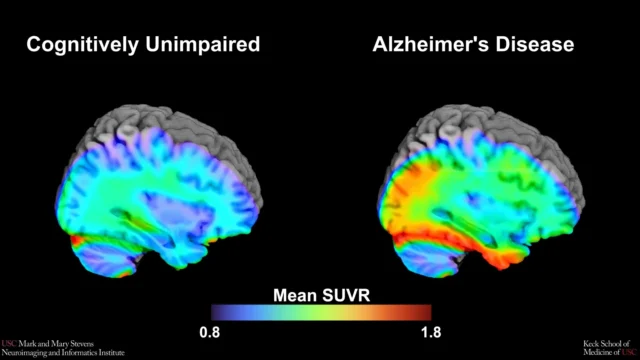
The findings offer a unifying theory for a disease that has long frustrated the medical community. While the presence of amyloid-beta plaques and tau tangles has been the hallmark of Alzheimer’s for over a century, these features have never fully explained why some individuals with significant brain pathology remain cognitively sharp, while others with fewer abnormalities suffer rapid decline. The Harvard team, led by Dr. Bruce Yankner, suggests that lithium is the "missing link" that determines whether the brain can withstand the toxic effects of protein accumulation.
The Decade-Long Search for a Biological Trigger
The study’s origins trace back ten years, born from a desire to understand the earliest physiological shifts that precede clinical symptoms of dementia. Dr. Bruce Yankner, a professor of genetics and neurology at Harvard Medical School’s Blavatnik Institute, is a pioneer in the field; in the 1990s, he was the first to prove that amyloid beta is toxic to neurons. Despite this foundational work, Yankner observed that targeting amyloid alone rarely resulted in a full reversal of memory loss in clinical trials.
To find a deeper cause, the research team employed high-resolution mass spectroscopy to analyze trace elements in human brain tissue. This effort required a massive dataset, which was provided through a partnership with the Rush Memory and Aging Project in Chicago. Researchers examined postmortem brain tissue and blood samples from thousands of donors, ranging from those with pristine cognitive health to those in the advanced stages of Alzheimer’s.
By measuring the levels of approximately 30 different metals, the team discovered a striking pattern. While most metals remained relatively stable across the different cohorts, lithium levels showed a dramatic and progressive decline. In cognitively healthy individuals, lithium was found at natural, consistent levels. However, in patients with mild cognitive impairment (MCI)—the earliest clinical stage of dementia—lithium levels were significantly depleted. By the time patients reached advanced Alzheimer’s, the deficiency was profound.
The Amyloid Trap: How Lithium is Sequestered
The study provides a molecular explanation for why lithium disappears from the brain as Alzheimer’s progresses. The researchers discovered that as amyloid-beta proteins begin to clump together into plaques, they act as a biological "sponge" for lithium. The amyloid plaques bind to the naturally occurring lithium, sequestering it and preventing it from reaching the neurons and glial cells where it is needed.
This sequestration creates a localized deficiency that triggers a cascade of cellular failure. Lithium is critical for the function of all major brain cell types, including neurons, which transmit signals, and microglia, the brain’s immune cells. When lithium levels drop, several pathological processes are unleashed:
- Microglial Dysfunction: Microglia lose their ability to clear away toxic proteins, including the very amyloid beta that caused the lithium depletion in the first place.
- Loss of REST Protein: Lithium is required to maintain the levels of REST, a protective protein that shields neurons from stress and aging.
- Synaptic Erosion: The connections between neurons, known as synapses, begin to break down, leading directly to memory loss.
- Inflammation: The absence of lithium triggers chronic brain inflammation, which further accelerates the death of brain cells.
This discovery explains the paradox of "resilient" brains. Individuals who have amyloid plaques but no dementia likely maintain sufficient free lithium levels or have higher natural reserves, allowing their brains to function normally despite the presence of toxic proteins.
Experimental Evidence in Mouse Models
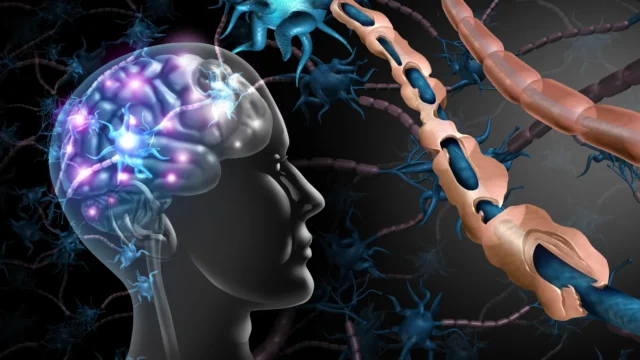
To confirm that lithium deficiency is a cause rather than just a symptom of Alzheimer’s, the Harvard team conducted a series of experiments on mice. When healthy mice were placed on a lithium-restricted diet designed to mimic the levels found in Alzheimer’s patients, they exhibited rapid cognitive decline. The lack of lithium accelerated the aging of their brains, leading to inflammation and the loss of the protective myelin sheath that covers nerve fibers.
In mice genetically engineered to develop Alzheimer’s, lithium depletion significantly sped up the formation of both amyloid plaques and tau tangles. It also altered the activity of the APOE gene, the most significant genetic risk factor for the disease in humans.
The most promising aspect of the study involved the reversal of these symptoms. The researchers tested a novel compound called lithium orotate. Unlike the lithium carbonate used to treat bipolar disorder, lithium orotate was found to be "amyloid-evading." Because of its unique chemical structure, it does not get trapped by amyloid plaques, allowing it to reach the brain cells effectively even when pathology is present.
When the researchers administered lithium orotate to mice with advanced Alzheimer’s, the results were "galvanizing." The compound reversed the pathology, restored the health of the synapses, and brought the mice’s memory performance back to normal levels. Remarkably, this was achieved using a dose approximately one-thousandth of the concentration typically used in psychiatric medicine.
A New Paradigm: Lithium as an Essential Nutrient
One of the most significant implications of this research is the reframing of lithium’s role in human health. Dr. Yankner compares lithium to essential nutrients like iron or Vitamin C. While it has traditionally been viewed only as a high-dose drug for mental health, the study suggests it is a trace element that the brain requires for normal physiological function.
"It’s the first time anyone’s shown that lithium exists at a natural level that’s biologically meaningful without giving it as a drug," Yankner stated. This aligns with previous epidemiological studies that have noted lower rates of dementia in geographic areas where drinking water contains higher natural concentrations of lithium.
This "nutrient theory" suggests that Alzheimer’s could be viewed, at least in part, as a deficiency disease. If the brain’s natural lithium supply is exhausted or "trapped" by amyloid, the resulting neurodegeneration is a predictable biological outcome.
Safety and the Path to Clinical Trials
Despite the excitement surrounding these findings, the researchers issued a strong note of caution. The lithium compounds currently available on the market, such as lithium carbonate, carry a risk of toxicity, particularly for the elderly. High doses can cause kidney damage, tremors, and other severe side effects.
The Harvard study emphasizes that the goal is not to "medicate" patients with high-dose psychiatric drugs, but to maintain or restore the brain’s natural lithium levels. The success of lithium orotate in mice suggests that "micro-dosing" could be the future of Alzheimer’s prevention. By using a compound that avoids the "amyloid trap," doctors might be able to achieve therapeutic results with negligible risk of toxicity.
The timeline for human application remains dependent on clinical trials. The next phase of research will involve testing lithium orotate or similar amyloid-evading compounds in humans to see if they can replicate the success seen in the laboratory.
Broader Impact on Diagnosis and Prevention
The discovery of lithium’s role provides two immediate avenues for improving the management of Alzheimer’s disease:
1. Early Screening: Since lithium depletion occurs at the very earliest stages of cognitive decline, measuring lithium levels in the blood or through advanced imaging could serve as a "red flag" for the disease long before memory loss becomes apparent. This would allow for much earlier intervention than is currently possible.
2. Preventive Maintenance: Much like taking a vitamin supplement to prevent a deficiency, maintaining stable lithium levels throughout middle and old age could potentially delay or prevent the onset of Alzheimer’s in those with a genetic predisposition.
The study has been met with cautious optimism by the global scientific community. While previous Alzheimer’s treatments have focused almost exclusively on clearing amyloid (the "trash" of the disease), the lithium theory focuses on restoring the "maintenance crew" (the brain’s natural protective mechanisms).
Conclusion and Future Outlook
The Harvard Medical School study, supported by the National Institutes of Health and various private foundations, represents a potential turning point in the fight against a disease that affects an estimated 400 million people worldwide. By identifying lithium deficiency as a central driver of the Alzheimer’s process, the research unifies the disparate threads of amyloid toxicity, genetic risk, and environmental factors.
Dr. Yankner’s team has provided a roadmap for a new generation of therapies that are more fundamental than existing anti-amyloid drugs. If lithium orotate proves effective in humans, it could shift the treatment goal from merely slowing the rate of decline to actively reversing cognitive loss and restoring quality of life.
"My hope," Yankner concluded, "is that lithium will do something more fundamental… not just lessening but reversing cognitive decline and improving patients’ lives." As the medical community awaits the results of future clinical trials, the study stands as a testament to the power of looking beyond the obvious pathology to find the hidden biological mechanisms that sustain the human mind.