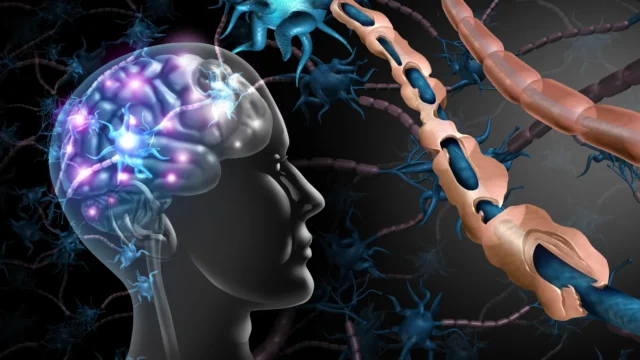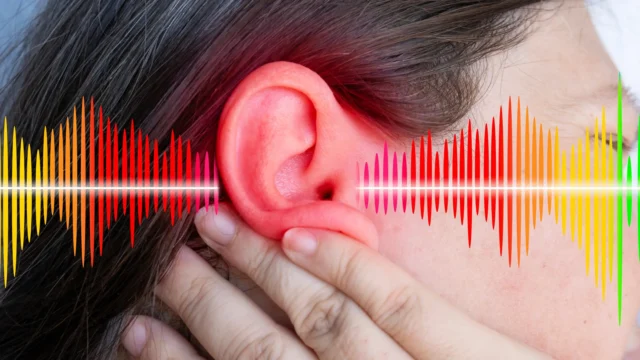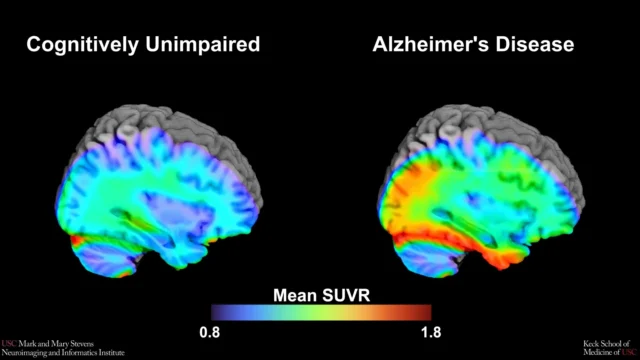

The challenges of hearing impairment extend far beyond the immediate difficulty of following a conversation. For many, the gradual loss of auditory acuity leads to a profound sense of isolation, reduced environmental alertness, and a withdrawal from the social activities that stimulate the brain. However, the UNIGE study suggests that the emotional perception of this isolation—loneliness—acts as a potent catalyst for cognitive deterioration. This distinction between objective social isolation (a lack of contact) and subjective loneliness (the painful feeling of being alone) is central to the study’s conclusions and offers a more nuanced understanding of how sensory deficits affect the aging brain.
The Global Context of Hearing Impairment
The findings arrive at a time when the World Health Organization (WHO) has issued stark warnings regarding the prevalence of hearing loss. According to current WHO projections, nearly 2.5 billion people worldwide will live with some degree of hearing impairment by the year 2050. Currently, more than 25% of individuals over the age of 60 suffer from disabling hearing loss. The implications for public health are vast, as hearing loss is not merely a quality-of-life issue but a significant, modifiable risk factor for dementia.
Previous clinical literature has suggested that individuals with untreated hearing loss may face a risk of cognitive decline two to three times higher than those with normal hearing. The UNIGE research team, comprising experts from the Lifespan Developmental Psychology Lab and the Cognitive Ageing Lab, sought to investigate the specific mechanisms behind this risk. Specifically, they aimed to determine whether the combination of auditory difficulties and the psychological state of the individual created a unique trajectory for memory decline.
Methodology: The SHARE Study and Twelve-Country Analysis
To achieve a statistically significant overview, the UNIGE researchers utilized data from the Survey of Health, Ageing and Retirement in Europe (SHARE). Launched in 2002, SHARE is a multidisciplinary, longitudinal database that tracks the health, socio-economic status, and social networks of individuals aged 50 and older. The survey is unique in its breadth, providing a cross-national perspective on the aging process.
The UNIGE study focused on a sample of 33,000 participants across twelve European nations, including Switzerland, Germany, France, and Italy. Andreas Ihle, assistant professor at the Lifespan Lab and director of the study, noted that the participants were surveyed every two years. These biennial assessments covered a wide range of variables, from physical activities and social connections to cognitive performance tests. One of the primary metrics used to measure cognitive health was episodic memory, assessed through standardized exercises such as word-list recall and verbal fluency tasks.
By tracking these individuals over an extended period, the researchers were able to map the chronology of their cognitive health alongside changes in their hearing and social perceptions. This longitudinal approach allowed the team to move beyond simple correlations and observe how the onset of hearing loss influenced the rate of decline over several years.
The Three Profiles of Social Connection
A key innovation of the study was the classification of participants into three distinct profiles based on their social circumstances and internal emotional states. This categorization allowed the researchers to isolate the impact of loneliness from the impact of physical isolation.
- Low Social Isolation and Low Loneliness: This group consisted of individuals who maintained regular social contact and felt emotionally connected to their peers and family. They served as the control group for the study.
- High Social Isolation and Low Loneliness: These individuals had few social contacts or activities but did not report feeling lonely. This profile often includes "introverted" individuals who are comfortable with a solitary lifestyle.
- Low Social Isolation and High Loneliness: This group presented the most striking results. These individuals were socially integrated—meaning they had friends, family, and regular interactions—but they subjectively felt lonely or misunderstood.
The analysis revealed that the third group—those who were socially integrated but felt lonely—suffered the most rapid cognitive decline when hearing loss was present. This suggests that the "explosive" cocktail of sensory impairment and emotional distress is more damaging than physical isolation alone.
The "Explosive Cocktail": Why Loneliness and Deafness Accelerate Decline
Matthias Kliegel, a professor in the Cognitive Ageing Laboratory at UNIGE and co-author of the study, highlighted the specific vulnerability of the lonely-but-integrated group. When individuals with hearing loss continue to participate in social settings but feel unable to truly connect or understand others, the resulting frustration and emotional strain may exacerbate neurological wear and tear.
There are several scientific theories that explain why hearing loss impacts the brain so severely. One is the "Cognitive Load Hypothesis," which suggests that when the brain must dedicate excessive resources to decoding degraded auditory signals, it has fewer resources left for encoding information into memory. Another is the "Sensory Deprivation Hypothesis," which posits that a lack of auditory stimulation leads to the atrophy of brain regions responsible for processing sound and memory.
The UNIGE study adds a psychological layer to these theories. Loneliness is known to increase levels of cortisol, the body’s primary stress hormone. Chronic elevation of cortisol is toxic to the hippocampus, the region of the brain critical for episodic memory. When a person is struggling to hear (increasing cognitive load) and simultaneously feeling lonely (increasing stress), the biological impact on the brain is compounded.
Chronology of Research and Future Implications
The research conducted by the UNIGE team represents a decade-long evolution in how scientists view the relationship between the senses and the mind. In the early 2000s, hearing loss was often viewed as a peripheral issue. However, following the 2017 Lancet Commission on dementia prevention, which identified hearing loss as the single largest modifiable risk factor for dementia in mid-life, the focus shifted.
The UNIGE findings provide a timeline for intervention. Since the data shows that cognitive decline accelerates following the onset of hearing loss, the window for preventive care is clearly defined. The study suggests that addressing hearing loss in its early stages could potentially delay or even prevent the onset of cognitive impairment for thousands of individuals.
Charikleia Lampraki, the study’s first author and a postdoctoral researcher at UNIGE, emphasized the practical applications of the research. For individuals who are socially integrated but feel lonely due to their hearing, the solution may be relatively straightforward: the provision of hearing aids. "These individuals are already socially integrated," Lampraki noted. "It is a matter of removing a sensory barrier in order to reinforce their engagement and protect their cognitive health."
Public Health Responses and Scientific Analysis
The implications of this study for public health policy are significant. Currently, many national healthcare systems do not provide full coverage for hearing aids, viewing them as elective or "lifestyle" devices rather than essential medical tools. The UNIGE data suggests that this is a short-sighted approach. If hearing aids can slow cognitive decline, they represent a highly cost-effective intervention compared to the long-term costs of caring for patients with advanced dementia.
Experts in the field of gerontology have reacted to the study by calling for more integrated screening processes. Instead of treating hearing loss in a vacuum, audiologists and primary care physicians should also screen for signs of loneliness and social withdrawal. A holistic approach that combines auditory technology with social prescribing—referring patients to community groups or psychological support—could yield better outcomes for cognitive longevity.
Furthermore, the study highlights a need for societal change in how we communicate with the hearing-impaired. Social isolation is often forced upon the elderly not because they choose it, but because the environments they inhabit (noisy restaurants, fast-paced conversations) are not "hearing-friendly." By creating more inclusive social environments, the subjective feeling of loneliness may be reduced even before medical interventions are applied.
Conclusion: A New Paradigm for Aging Well
The University of Geneva’s analysis of 33,000 Europeans underscores a vital truth: the brain does not age in isolation. It is part of a complex system where sensory input and emotional health are deeply intertwined. The discovery that subjective loneliness, combined with hearing loss, acts as a primary driver of memory decline provides a clear mandate for healthcare providers.
As the global population of older adults continues to grow, the burden of cognitive decline will increase unless proactive measures are taken. The UNIGE study offers a roadmap for these measures, pointing toward early hearing screening and the promotion of meaningful social connection as essential pillars of healthy aging. By removing the barriers to communication and addressing the emotional needs of the elderly, it may be possible to preserve the cognitive vitality of millions, ensuring that the later years of life are characterized by connection rather than silence and decline.