Chronology of the 2026 Conference Planning
The trajectory toward the 2026 gathering began with a comprehensive site assessment by the NAD Board of Directors in early 2026. This visit to San Francisco was designed to ensure that the infrastructure of the host facilities aligns with the high standards of accessibility required for a national assembly of the Deaf community. By meeting with local partners and stakeholders, the Board aimed to integrate the specific needs of the California Deaf population into the conference framework.
The planning timeline has been segmented into three distinct phases: the foundational partnership phase, which concluded in early 2026; the logistical coordination phase, currently being managed by Interim CEO Bobbie Beth Scoggins; and the final execution phase, which will lead into the summer of 2026. This systematic approach is intended to mitigate the risks associated with large-scale event management while ensuring that the organization’s advocacy mission remains at the forefront of the proceedings.
Strategic Partnerships and Institutional Support
The success of the 2026 conference relies on a complex web of institutional collaboration. The NAD has engaged several key regional and national partners to facilitate a seamless experience. These include the Registry of Interpreters for the Deaf (RID) Region V and its affiliate chapters, which are essential for providing the high-quality, professional sign language interpreting services required for such a large-scale event.
Furthermore, the involvement of Deaf in Government (DIG) and the National Deaf Education Committee (NDEC) underscores the organization’s focus on policy-driven outcomes. By including these entities, the NAD ensures that the conference sessions address professional development and educational reform. Local entities, such as the City of San Francisco’s Office of Disability and Access, have also been integrated into the planning process to ensure that the event meets legal and ethical standards for accessibility. California-based service providers, including NorCal Services for Deaf & Hard of Hearing, the Greater Los Angeles Agency on Deafness (GLAD), and DCARA, have pledged support, reflecting a unified West Coast effort to showcase the region’s commitment to Deaf advocacy.
Data and Trends in the Deaf Advocacy Landscape
The urgency behind the 2026 conference is informed by persistent data regarding the status of the Deaf and hard-of-hearing population in the United States. According to recent demographic reports, there are approximately 11 to 13 million individuals in the U.S. who identify as having some level of hearing loss. Despite this, the community continues to face significant systemic hurdles.
Current data from the NAD and federal disability advocates highlight three primary areas of concern:
- Interpreter Shortages: The demand for certified ASL-English interpreters continues to outpace supply, particularly in medical and legal settings, creating dangerous gaps in communication access.
- Educational Inequities: Statistics regarding literacy rates and educational attainment among Deaf youth remain lower than national averages, largely due to a lack of early intervention programs and qualified bilingual-bicultural educators.
- Policy Erosion: Recent shifts in disability rights litigation and federal funding structures have prompted the NAD to increase its focus on legislative advocacy.
The conference serves as a venue to analyze these trends and formulate a national strategy to combat these disparities. By gathering experts, activists, and community members, the NAD aims to produce data-backed recommendations that can be leveraged in state and federal lobbying efforts.
Digital Transformation and Modernized Engagement
In tandem with the conference preparations, the NAD is set to launch a redesigned digital interface in the coming weeks. This update is designed to improve the dissemination of resources and advocacy alerts. The current digital infrastructure has become a bottleneck for information sharing; the new platform will prioritize user experience and accessibility, ensuring that members can easily navigate legislative updates and conference registration portals.
The digital transition is not merely a technical upgrade but a strategic move to broaden the reach of the organization. As the community becomes increasingly reliant on mobile-first communication, the NAD’s ability to disseminate information in real-time has become a critical component of its survival as a national organization.
Addressing Systemic Challenges and Community Concerns
The leadership of the NAD has been transparent about the "serious challenges" currently facing the community. While the conference is a moment for celebration and unity, it is fundamentally an exercise in problem-solving. Issues such as language deprivation in schools and the impact of evolving federal disability policies are at the top of the agenda.
The Board is currently working in coordination with state-level associations to track legislative developments that may negatively impact the Americans with Disabilities Act (ADA) and the Individuals with Disabilities Education Act (IDEA). By consolidating these efforts under the banner of the 2026 conference, the NAD hopes to create a unified front. The organization emphasizes that the engagement of its members is the primary engine of its power; without consistent feedback from the grassroots level, the NAD’s advocacy in Washington, D.C., would lack the necessary community grounding.
Implications for the Future of Deaf Rights
The 2026 conference is projected to be a milestone event in the history of the NAD. The implications of the conference extend far beyond the city limits of San Francisco. For the organization, the event is an opportunity to reassert its influence in a changing political landscape.
Analysts suggest that the outcome of this gathering will set the tone for the organization’s legislative priorities for the remainder of the decade. If the NAD can successfully bridge the gap between regional service providers and national policy advocates, it will be better positioned to influence federal funding allocations for Deaf education and healthcare accessibility. Furthermore, the emphasis on collaboration with local California agencies serves as a blueprint for how the NAD intends to decentralize some of its advocacy efforts, empowering state-level affiliates to lead on localized issues while remaining tethered to the national organization.
Conclusion and Call to Action
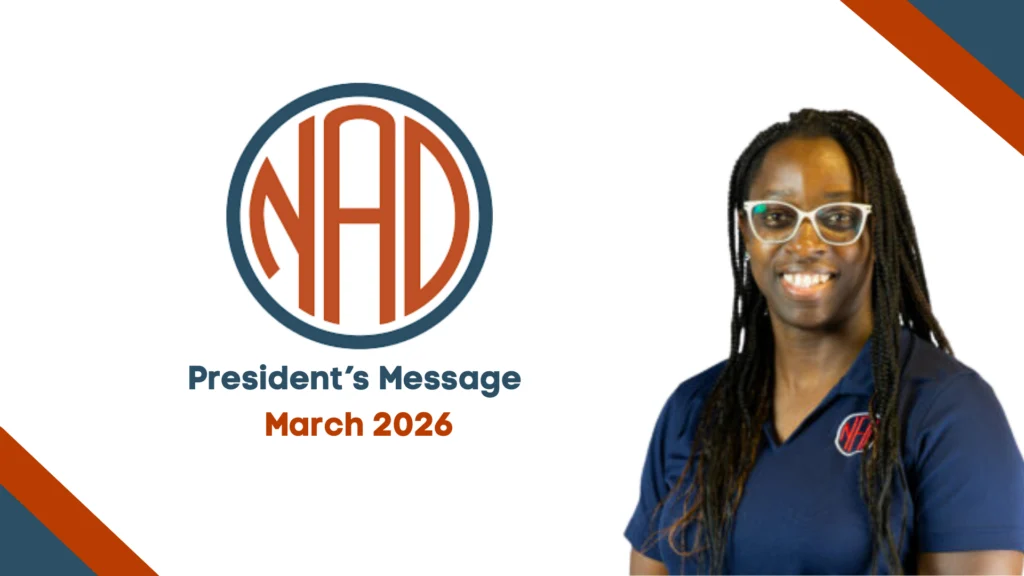
As the date for the conference approaches, the NAD continues to urge its members to stay informed through official channels. The organization’s commitment to transparency—evidenced by the regular updates provided by the President and the Interim CEO—is intended to foster a sense of collective ownership over the movement.
For those interested in participating, the NAD has directed all inquiries to its dedicated conference portal at www.nad.org/sf26. The association maintains that the strength of the Deaf community lies in its ability to adapt to modern challenges while maintaining the foundational principles of language rights and self-determination. As the organization moves toward the 2026 gathering, the overarching message remains clear: the movement is united, the advocacy is active, and the community’s collective voice is the most potent tool for driving systemic change. The upcoming conference will undoubtedly be measured by its ability to turn these sentiments into tangible policy results, ensuring that the needs of Deaf and hard-of-hearing Americans are met with both institutional recognition and actionable support.