Two Decades of Developmental Impact: A Chronological Overview
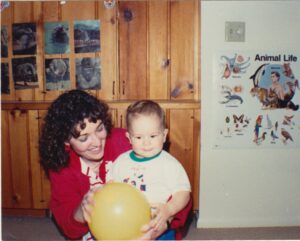
The origins of Listen and Talk trace back to the mid-1990s, when Star Leonard-Fleckman, a teacher of the deaf and auditory-verbal therapist, identified a critical gap in early intervention services. Working from her own home, Leonard-Fleckman envisioned an environment where children with hearing loss could master listening and spoken language without relying on traditional signing or interpretative aids.
By the early 2000s, the initiative had evolved from a home-based practice into a formalized non-profit entity. Throughout the 2010s, the organization underwent significant scaling, expanding its service portfolio to include comprehensive audiology testing, birth-to-three early intervention, and specialized blended classroom environments. Today, the organization operates as a robust educational hub, supporting over 200 families across Washington State through a hybrid model of in-person therapy and virtual outreach. The trajectory of Listen and Talk reflects a broader shift in the pedagogical approach to childhood hearing loss, moving toward a model that prioritizes early detection and intensive auditory-verbal therapy to integrate children into mainstream hearing environments.

The Inaugural Walk, Run, and Roll: Strategic Fundraising
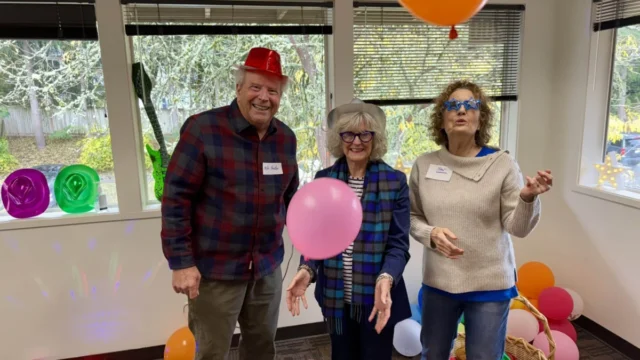
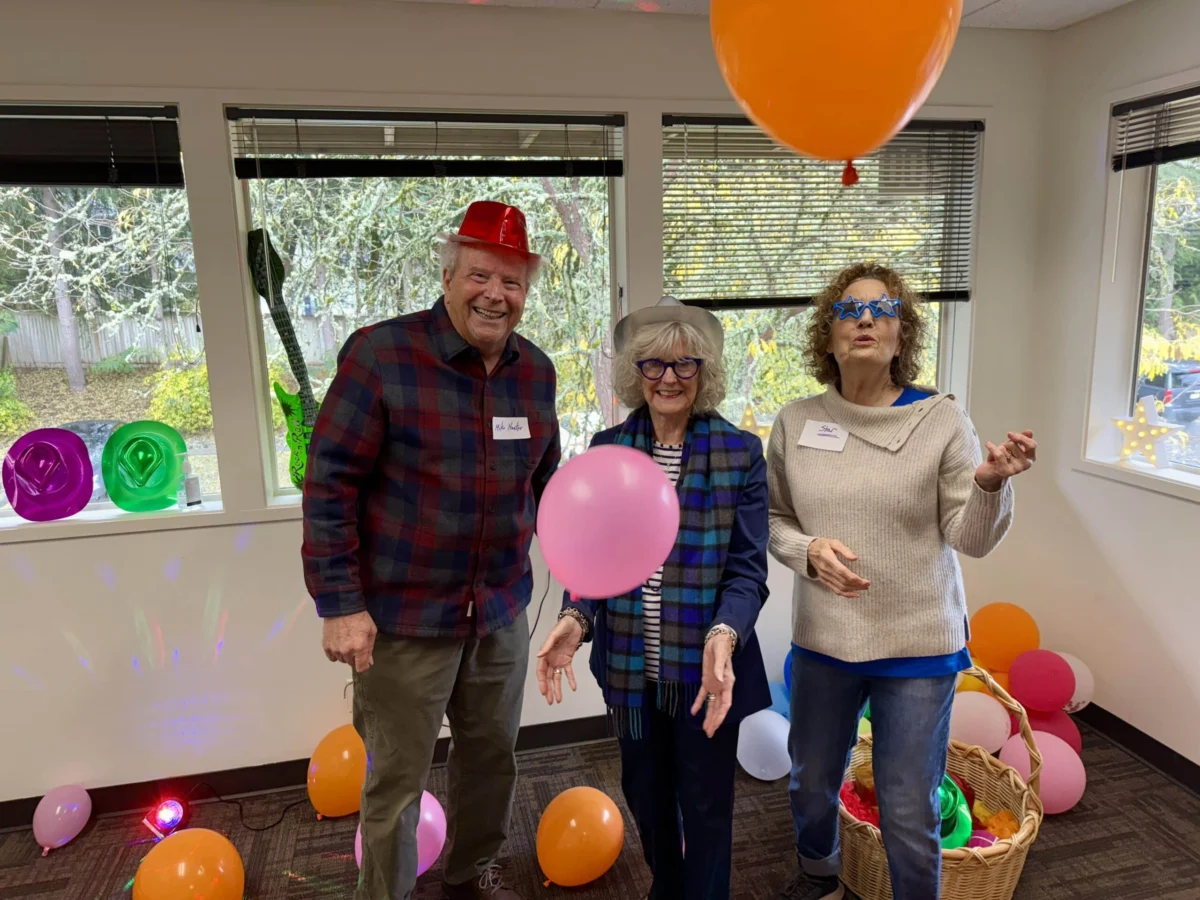
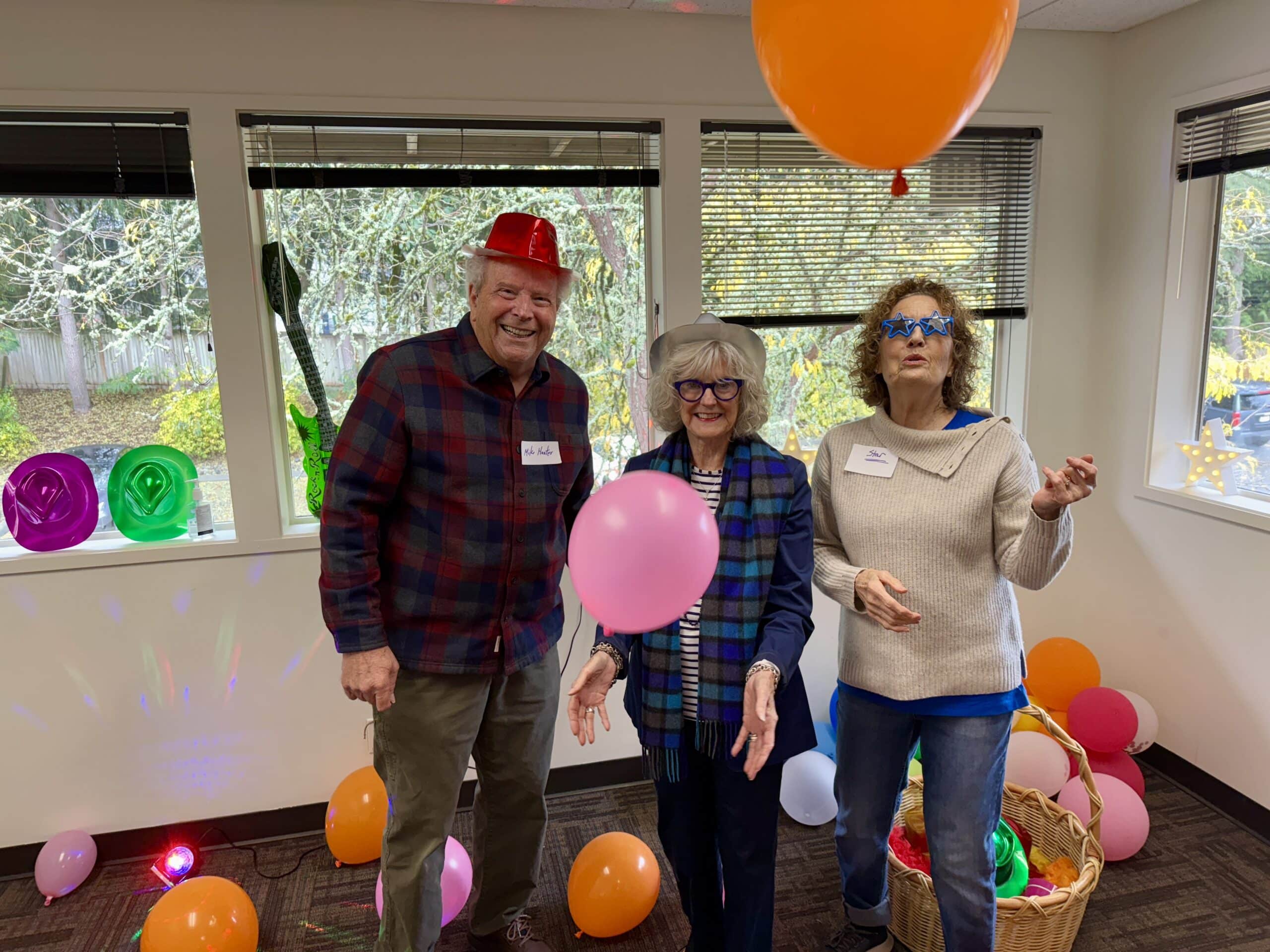
The 29th-anniversary celebration was anchored by the conclusion of the organization’s first-ever Walk, Run, and Roll fundraiser. Designed to build community engagement while securing operational capital, the initiative saw participants ranging from age one to 100 gather at various locations, including Edmonds, Woodinville, the Olympic Peninsula, and Seattle’s Green Lake.
The fiscal results of this inaugural event have exceeded initial organizational projections. As of the October 2025 event date, the campaign had raised over $10,000 in public donations. This figure was subsequently doubled by a matching contribution from Founder Star Leonard-Fleckman, bringing the total funds raised to over $26,000. These funds are designated for the maintenance of core programs, including speech-language pathology services, family education, and the ongoing development of the Blended Classroom Program. By diversifying its revenue streams through community-based athletics, the organization aims to reduce its reliance on traditional state funding and private grants.
Pedagogical Framework and Specialized Education
At the core of Listen and Talk’s methodology is the principle of "listening and spoken language" (LSL). Unlike programs that emphasize visual communication, LSL is designed to coach children to process sound and develop speech through natural communication. The organization’s staff provides clinical support to ensure that children can reason, think independently, and communicate with intelligible speech in diverse environments.
A critical aspect of this curriculum is the development of self-advocacy skills. As students progress through the Birth to Three program and into the Blended Classroom, they are encouraged to manage their own hearing technology and express their communication needs. This pedagogical focus serves a specific functional goal: ensuring that by the time students exit the program, they are equipped to function in mainstream educational settings without the need for an interpreter. The organization currently serves a diverse demographic, with families representing more than thirty different primary languages, highlighting the adaptability of auditory-verbal techniques across cultural and linguistic boundaries.
Commemorative Events: Story Time with the Founder
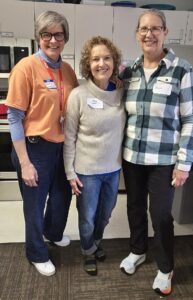
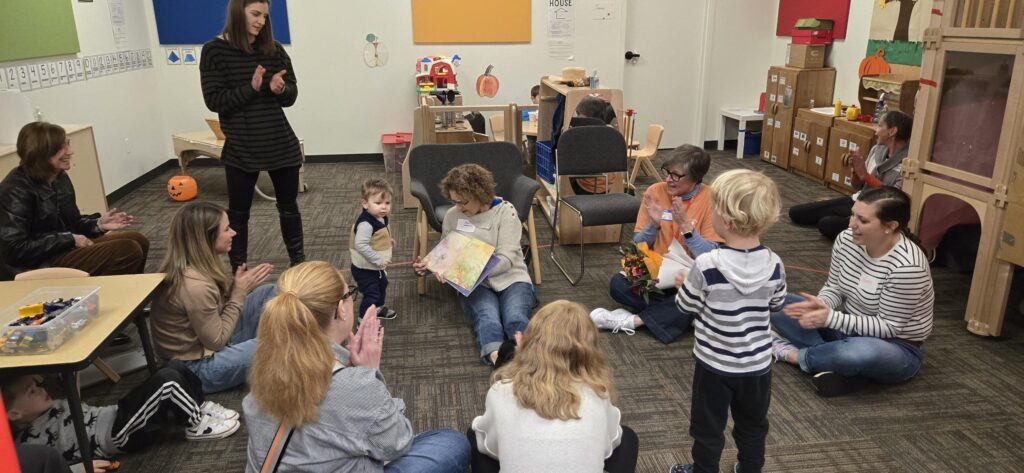
The Founder’s Day event featured a highlight presentation titled "Story Time with Star," conducted in the Kirkland campus Discovery Room. The session served as a symbolic bridge between the organization’s founding mission and its current generation of students. Alumni who had attended the school in its early years returned to witness their own children engaging with the same therapeutic reading techniques that facilitated their own speech development.
This intergenerational engagement provided an anecdotal measure of the program’s long-term efficacy. For many attendees, the event was not merely a celebration of a historical milestone, but a validation of the advancements in hearing technology and early intervention that have occurred over the last 29 years. The visibility of alumni students—now successful adults and parents—serves as a primary performance metric for the organization’s stated vision: that no child should be limited by hearing loss.

Organizational Strategy and Future Outlook
As Listen and Talk moves toward its third decade of operation, the leadership team, headed by Executive Director Maura Berndsen, is focusing on the scalability of its outreach programs. The recent fundraiser served as a pilot for a broader community-outreach model, intended to increase the public profile of auditory-verbal therapy.
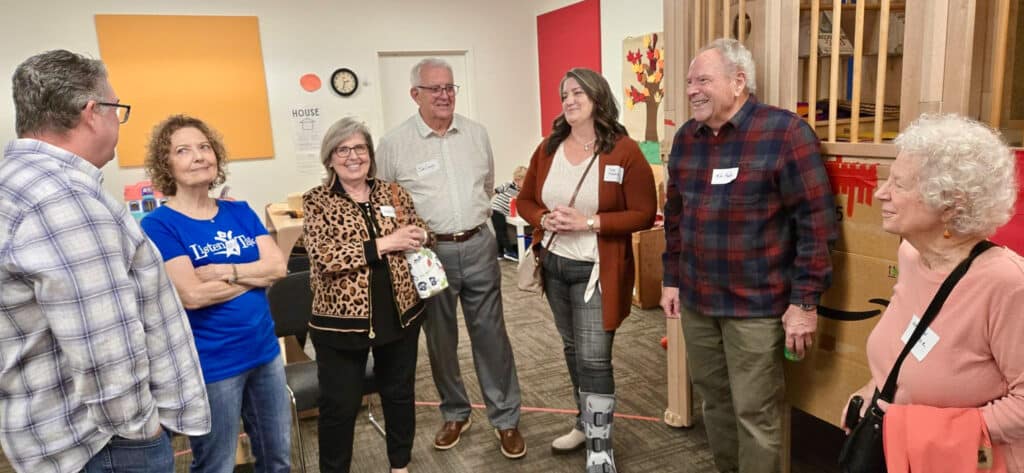
"The goal is to ensure that the resources we provide are accessible, regardless of a family’s geographic location," noted a representative of the organization during the Founder’s Day proceedings. The integration of virtual service delivery, which expanded significantly in the post-pandemic era, remains a priority for the organization’s strategic plan. By combining in-person intensive therapy with digital parent-education modules, Listen and Talk aims to lower the barrier to entry for rural and under-served populations in Washington State.
Broader Implications for Auditory-Verbal Education
The success of the 29th-anniversary celebration underscores the growing demand for specialized, private-sector support in the field of hearing loss. As medical advancements in cochlear implants and digital hearing aids continue to evolve, the demand for high-quality speech therapy and auditory habilitation has risen proportionally. Listen and Talk occupies a unique position in this market, acting as both a clinical service provider and an educational institution.
Financial analysts monitoring the non-profit sector often note that organizations relying on grassroots fundraising, such as the Walk, Run, and Roll, demonstrate higher levels of community resilience. The ability to generate $26,000 in a single campaign cycle suggests a strong donor base and high levels of stakeholder satisfaction. Moving forward, the challenge for the organization will be to maintain this momentum while scaling its services to accommodate the increasing number of families seeking auditory-verbal intervention.
Conclusion and Ongoing Support
The celebration concluded with a call to action for continued community support. With the organization’s programs requiring consistent funding to cover speech therapy, audiology equipment, and classroom resources, the leadership has prioritized the "Donate Now" initiative on their official website. The focus for the upcoming year remains fixed on the expansion of the Birth to Three program and the enhancement of the Blended Classroom to include more advanced language-acquisition tools.
For many families, Listen and Talk represents a vital lifeline, providing the tools necessary for their children to navigate a hearing-centric society with confidence. The organization continues to operate under the premise that hearing loss, when managed with early intervention and rigorous therapeutic support, does not constitute an inherent barrier to academic or social achievement. As the organization transitions from its 29th year into its 30th, it remains committed to its foundational principle: the empowerment of every child to listen, learn, and speak.