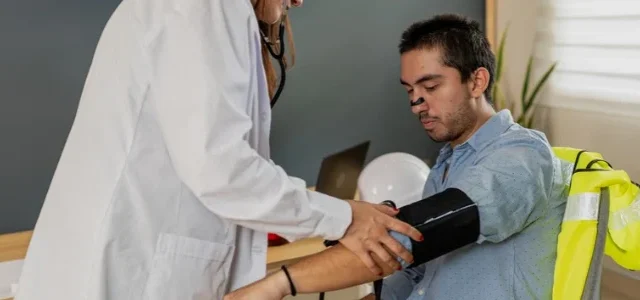
The immediate aftermath saw a rapid mobilization of Gaston County Emergency Medical Services and the Bessemer City Fire Department. Of the three individuals injured, two were stabilized on-site before being transported to a local hospital to receive treatment for burn-related injuries. Officials reported that these injuries were not life-threatening. A third worker, while also affected by the incident, opted to decline hospital transport after an initial evaluation by medical personnel on the scene.
A Historical Site Under Scrutiny
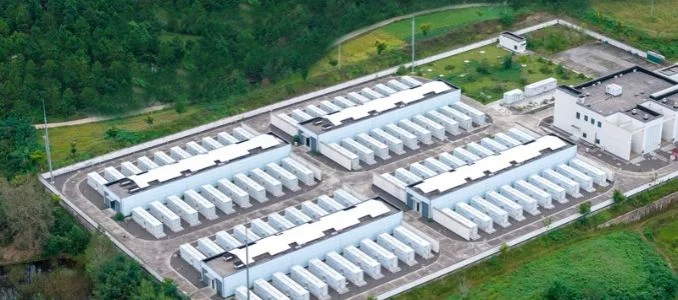
The Bessemer City facility holds significant historical weight within the domestic lithium industry. Established in the 1950s, it stands as Rio Tinto’s longest-running operational lithium production site. For decades, the plant has served as a cornerstone for the production of a diverse range of specialty lithium products, which are essential components in various industrial applications. Unlike modern greenfield sites designed specifically for high-capacity battery-grade lithium carbonate or hydroxide, the Bessemer City plant has adapted over the decades to meet shifting market demands, often dealing with complex chemical processes that require rigorous safety protocols.

The age of the infrastructure, while a testament to the facility’s longevity, often brings to the forefront discussions regarding the necessity of modernization and the challenges of maintaining stringent safety standards in legacy manufacturing environments. While there is currently no evidence linking the age of the facility directly to the explosion, investigators are expected to review maintenance logs, equipment age, and historical safety compliance data as part of their inquiry.
The Investigation Process
The North Carolina Department of Labor (NCDOL) has assumed primary jurisdiction over the investigation. Such investigations are standard procedure for workplace incidents involving injuries, particularly those involving chemical or industrial explosions. A spokesperson for the NCDOL confirmed that the department has opened an inquiry but declined to provide specific details regarding the scope of the investigation, citing the ongoing nature of the review.

During this phase, investigators typically examine the "root cause" of the incident. This involves a multi-layered process: interviewing witnesses, analyzing environmental data from the time of the blast, reviewing safety training records for the employees involved, and inspecting the specific machinery or chemical vessels that were active when the explosion occurred. The findings of this report, once completed, will be submitted to the state’s Occupational Safety and Health (OSH) division to determine if any workplace safety regulations were violated.
Lithium Industry Safety Dynamics
The incident in Bessemer City arrives at a time when the lithium sector is under intense scrutiny due to its rapid expansion. As the world transitions toward electric vehicles and renewable energy storage, the demand for lithium has surged, placing unprecedented pressure on both new and existing facilities.

Industrial lithium processing involves the handling of highly reactive chemicals and high-temperature environments. Processes such as calcination, leaching, and purification inherently carry risks of fire or chemical reaction if containment protocols are breached. According to industrial safety standards, the primary risks in these environments include:
- Chemical Exposure: Inhalation or dermal contact with caustic reagents used in the refinement process.
- Thermal Hazards: The use of large-scale furnaces and high-pressure steam systems.
- Reactive Material Management: The volatile nature of certain lithium compounds when exposed to moisture or specific atmospheric conditions.
While the Bessemer City incident was described as "minor" in terms of structural damage, it serves as a stark reminder of the inherent volatility within the specialty chemicals sector. Industry analysts note that as facilities age, the margin for error narrows, necessitating a higher frequency of safety audits and infrastructure upgrades.

Chronology of the November 17 Incident
- 10:30 a.m.: Emergency services receive the initial call reporting an explosion at the Bessemer City-Kings Mountain Highway facility.
- 10:45 a.m.: First responders, including the Bessemer City Fire Department and Gaston County EMS, arrive on the scene.
- 11:00 a.m.: The site is secured; initial assessments identify three injured workers.
- 11:30 a.m.: Two injured workers are transported to a nearby medical facility for treatment of burns; the third worker is evaluated and released.
- 1:00 p.m.: Initial containment is confirmed, and the area of the explosion is cordoned off for investigation.
- Afternoon (Nov 17): The North Carolina Department of Labor confirms the initiation of an official safety investigation.
Broader Implications for Rio Tinto and the Sector
Rio Tinto, a global mining and materials giant, faces the dual challenge of maintaining operational continuity while ensuring the highest standards of worker safety. The company has not yet released a public statement identifying the specific chemical process or equipment that triggered the explosion.
For the broader lithium industry, this incident reinforces the "Safety First" mandate that regulators have emphasized in recent years. As the industry scales up, the focus is shifting from simple production volume to the "social license to operate"—a concept that hinges on the ability of companies to protect their workforce and surrounding communities from the risks associated with industrial manufacturing.

Furthermore, the involvement of the North Carolina Department of Labor indicates that this will be a high-profile investigation. If the department identifies systemic failures—such as inadequate employee training, improper maintenance of aging equipment, or lapses in chemical storage protocols—Rio Tinto could face significant fines and mandatory operational overhauls.
Moving Forward: Safety and Compliance
The road ahead for the Bessemer City facility involves a delicate balance. Rio Tinto will need to demonstrate transparency to its employees and regulators to maintain its operational viability at this site. In similar historical cases within the manufacturing sector, companies have often responded to such incidents by:

- Implementing Enhanced Training Programs: Increasing the frequency of safety drills and specialized handling training for chemical processing.
- Infrastructure Audits: Engaging third-party engineering firms to perform comprehensive structural and mechanical integrity assessments of legacy equipment.
- Process Automation: Reducing the number of personnel required to be in close proximity to high-risk processing zones through increased automation.
As of the current writing, the facility remains under a period of heightened oversight. The local community in Bessemer City, which has lived alongside the plant for over 70 years, will be looking for clear communication from both the company and state authorities regarding the long-term safety of the site.
The incident at the Rio Tinto facility serves as a critical case study for the manufacturing industry. It highlights the persistent risks associated with chemical processing and the importance of continuous vigilance. As the NCDOL continues its work, the findings will likely serve as a benchmark for safety protocols in similar facilities across the country. For now, the priority remains the recovery of the injured workers and the methodical determination of how this incident occurred, ensuring that lessons are learned to prevent a recurrence.

The lithium industry is often viewed through the lens of the "green transition," but it is important to acknowledge the human element of production. Every ton of lithium produced for the global battery market comes from facilities like the one in Bessemer City, where the daily reality is one of heavy industry, complex machinery, and constant risk management. The events of November 17 are a sobering reminder that the transition to a sustainable future is not without its own immediate, localized hazards, and the safety of the workers on the front lines remains paramount.