The Anatomy of the Investigation
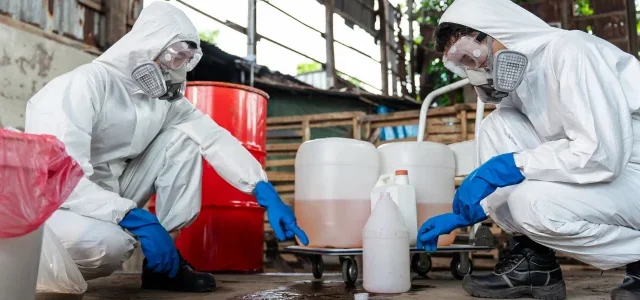
Since early August, Nippon Dynawave has been engaged in a painstaking process to disassemble the industrial structure identified as "G Tank." This work is not merely a demolition; it is a forensic recovery operation conducted under strict protocols established in consultation with government investigators. Each metal section and structural component removed from the site is being meticulously logged, tagged, and preserved to ensure the integrity of the evidence.
According to the company’s most recent update, the sheer scale of the technical analysis required means that the root cause remains elusive. The forensic and metallurgical laboratory testing—the critical phase that will determine why the structure failed—is not slated to begin in earnest until early 2027. Consequently, Nippon Dynawave has cautioned that the final determination of the accident’s cause is unlikely to emerge before the late spring or summer of 2027. Because the various oversight agencies operate on independent timelines, the public may receive fragmented findings before a comprehensive, unified report is finalized.
Chronology of the May 26 Incident
The tragedy at the Longview facility began on May 26, when a catastrophic failure occurred involving a large-scale industrial tank. The immediate aftermath saw an emergency response involving local fire departments, hazmat teams, and state regulators. The death toll—11 workers—immediately elevated the incident to a high-priority case for federal investigators.
The subsequent months have been defined by a transition from emergency site containment to the current forensic investigation. Throughout the summer, the site was secured to allow for the careful removal of debris. By August, the dismantling of G Tank began, serving as the primary evidence-gathering phase. As the investigation progresses, observers are tracking several key milestones:

- May 26, 2026: The incident occurs at the Longview, Washington, mill.
- Summer 2026: Initial site stabilization and evidence collection are conducted by federal and state inspectors.
- August 2026: Organized dismantling of G Tank commences under strict preservation protocols.
- November 22, 2026: The statutory deadline for the Washington State Department of Labor & Industries to release its initial workplace-safety compliance report.
- December 2026: Expected completion of the physical dismantling of the tank structure.
- Early 2027: Commencement of detailed metallurgical and forensic laboratory analysis.
- Late Spring/Summer 2027: Anticipated timeline for the release of final technical root-cause findings.
Distinguishing Compliance from Root Cause
A critical aspect of the company’s recent communication is the distinction between "workplace-safety compliance" and the "technical root-cause inquiry." Nippon Dynawave has emphasized that the report due by November 22 from the Washington State Department of Labor & Industries will focus on regulatory adherence rather than the mechanical physics of the tank failure.
In the language of industrial safety, a compliance audit identifies whether a company adhered to established Occupational Safety and Health Administration (OSHA) or state-level standards, such as proper maintenance schedules, employee training, or safety documentation. Conversely, a technical root-cause analysis is a deep dive into engineering data—such as metal fatigue, chemical corrosion, or structural design flaws. The company’s emphasis on this distinction suggests that the upcoming state report may identify regulatory violations or procedural lapses that, while significant, might not explain the full scope of the mechanical failure that led to the loss of life.
The Role of Regulatory Oversight
The investigation involves multiple layers of government oversight, each with a different mandate. The Washington State Department of Labor & Industries is tasked primarily with worker protection and ensuring that employers maintain a safe environment as defined by state law. Their findings carry the weight of potential fines and mandated operational changes for the Longview mill.

The U.S. Chemical Safety and Hazard Investigation Board (CSB), an independent federal agency, focuses on the broader industrial implications. The CSB does not issue fines or citations; instead, its mission is to investigate the underlying systemic causes of chemical accidents and issue safety recommendations to industry and regulators to prevent future occurrences. The collaborative nature of this investigation—with the company, the state, and the federal government working in concert—reflects the severity of the incident and the industry’s need to understand how such a massive failure could occur.
Labor Relations and Workforce Impact
Beyond the physical investigation, the human impact on the Longview workforce remains profound. The Association of Western Pulp and Paper Workers (AWPPW) has been in constant dialogue with Nippon Dynawave leadership throughout the recovery and investigative process. These meetings serve as a channel for the union to express concerns regarding the safety of the remaining mill operations, the long-term future of the facility, and the support provided to the families of the 11 victims.
The mill, a staple of the local economy, faces the dual challenge of continuing production while grappling with the trauma of the accident. Labor advocates have stressed the need for transparency, calling for the company to involve union representatives in the findings as they emerge. The ongoing dialogue between management and the AWPPW is seen by industry analysts as a litmus test for the company’s commitment to workplace safety culture in the wake of the disaster.

Broader Industry Implications
The incident at Longview has sent shockwaves through the pulp and paper industry, prompting other manufacturers to review their own tank and pressure-vessel maintenance protocols. Industrial facilities that rely on large-scale chemical or material storage are inherently high-risk environments. The "G Tank" failure has become a case study for the necessity of rigorous, non-destructive testing and the potential limitations of standard maintenance intervals.
As the industry awaits the final reports, experts in industrial safety note that the findings will likely lead to updated national standards for tank integrity. If the metallurgical testing reveals that current inspection methods were insufficient to detect the underlying issue, the findings could force a paradigm shift in how industrial vessels are monitored across the United States.
Data and Technical Context
While the specific engineering data remains under seal as part of the ongoing investigation, industry benchmarks for similar tank structures suggest that the focus of the forensic team will likely be on four primary vectors:

- Material Degradation: Evaluating if the tank’s alloy showed unexpected signs of stress corrosion cracking (SCC) or embrittlement over its operational lifespan.
- Structural Fatigue: Assessing if the design specifications were adequate for the cyclical loads and thermal fluctuations typical of paper mill operations.
- Corrosion Rates: Determining if internal chemical processes accelerated the deterioration of the tank walls beyond what was anticipated by the original engineering design.
- Welding Integrity: Investigating whether historical repairs or the original seam welds possessed latent defects that compromised the vessel’s pressure-bearing capacity.
The process of dismantling the tank and subjecting these components to laboratory testing is a multi-million-dollar undertaking. The meticulous nature of this work is required not only for regulatory satisfaction but for potential litigation and insurance liability purposes, which often follow such high-profile workplace tragedies.
Navigating the Future
As the Longview community and the employees of Nippon Dynawave approach the end of 2026, the sentiment is one of somber waiting. The company’s stated expectation—that the root cause will not be fully understood until late 2027—imposes a long timeline for closure. This period of waiting presents a challenge for the company’s public relations and internal morale.
To maintain trust, Nippon Dynawave has committed to ongoing transparency regarding the investigation. By keeping the lines of communication open with the union and providing regular updates to the public, the company is attempting to manage the narrative of the recovery. However, the true test of this approach will come when the state and federal agencies issue their final findings. Should those reports contradict the company’s internal assessments or reveal systemic negligence, the company will face significant challenges in its effort to restore its reputation.

The tragedy of May 26 is a stark reminder of the inherent risks present in industrial manufacturing. As the investigation continues into the next calendar year, the focus will remain on the lessons learned from the G Tank failure. Whether those lessons result in a safer future for the pulp and paper industry depends entirely on the accuracy and depth of the impending forensic reports. Until then, the Longview mill continues to operate under the shadow of the 11 lives lost, with the entire industry watching the process unfold with a keen sense of professional urgency.