Early Intervention and Foundational Development
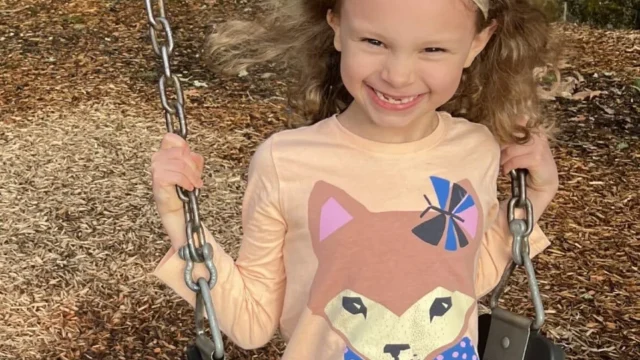
Landon Nolfi-Browne’s educational foundation was built at Listen and Talk, an organization dedicated to empowering children with hearing loss to thrive in mainstream educational and social environments. Enrolling just a decade after the organization’s inception, Nolfi-Browne worked closely with specialized staff, including educators Maura and Star. These early developmental years were critical in establishing the communication and self-advocacy skills that would later serve as the bedrock for his academic acceleration.
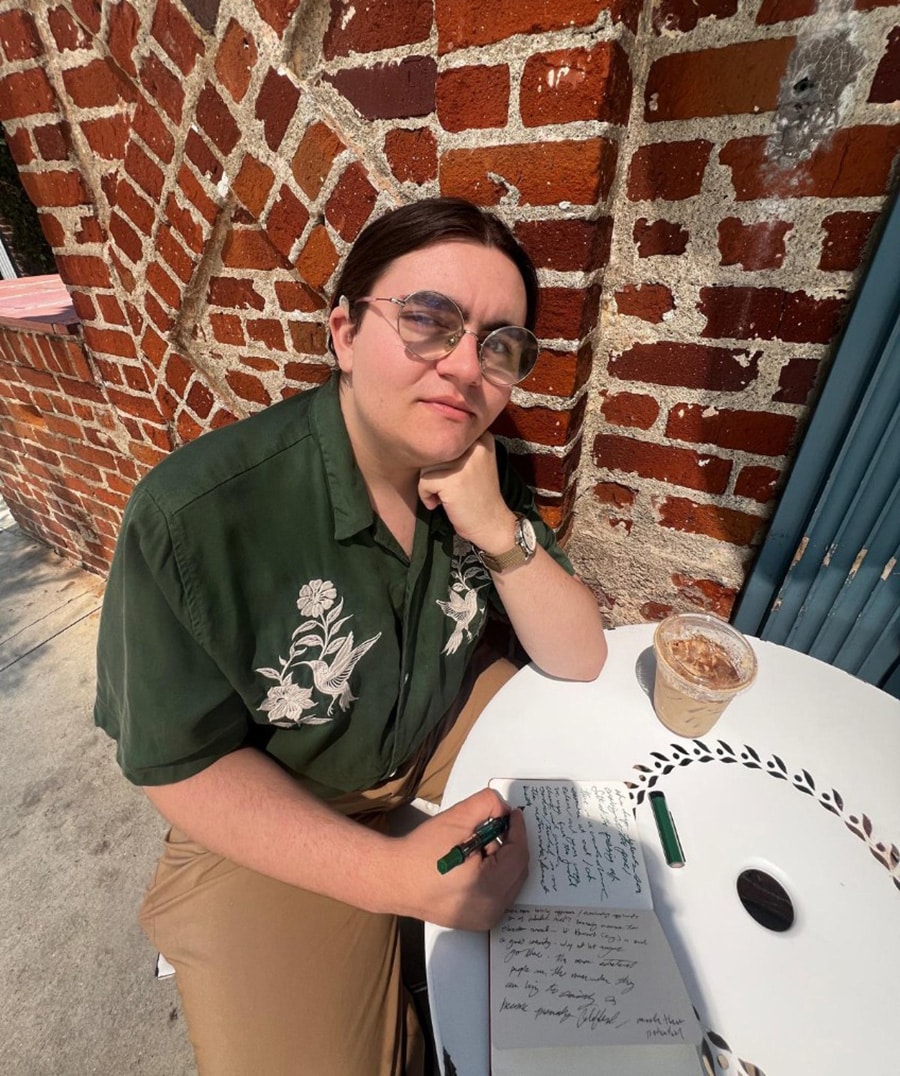
In reflecting on these formative years, Nolfi-Browne’s parents emphasize that the intervention was not merely about academic readiness but about creating a paradigm shift in how their son navigated a world primarily designed for hearing individuals. "They illuminated the path for Landon to live life without limits," his parents noted, underscoring the vital role that early, consistent support plays in long-term developmental outcomes.
Chronology of Academic Acceleration
Nolfi-Browne’s academic career is defined by a consistent push against traditional educational boundaries. His progression through the academic ranks serves as a clear indicator of his ability to overcome systemic expectations often placed upon students with hearing loss.
- Elementary and Middle School Years: Recognizing a need for intellectual stimulation beyond the local school curriculum, Nolfi-Browne began enrolling in community college courses while still in the 6th grade. By the time he reached junior high, he had transitioned into a dual-enrollment model, eventually moving beyond his secondary school environment to complete multiple semesters of college-level coursework and serving as a tutor for his peers.
- The Edinburgh Experience: At age 17, Nolfi-Browne sought an international academic challenge, enrolling at the University of Edinburgh. His tenure there was marked by high-level performance, with his historical research receiving praise typically reserved for professional academic publications.
- Transfer to UCLA: Following his time in Scotland, Nolfi-Browne returned to the United States to continue his studies at the University of California, Los Angeles (UCLA). His performance was characterized by a streak of straight A’s, leading to an invitation from a faculty member to serve as an advisor.
- Gilder Lehrman Institute Nomination: His academic excellence culminated in his nomination as an inaugural member of the Undergraduate Advisory Council at the Gilder Lehrman Institute of American History, a prestigious role that placed him among the top history students in the country.
Public Policy and Professional Engagement
Beyond the confines of academia, Nolfi-Browne has demonstrated a profound commitment to public service. His work with San Francisco Board of Supervisors member Myrna Melgar highlights the practical application of his historical and policy-oriented studies. During recent public policy initiatives, Nolfi-Browne’s contributions were met with significant acclaim, including a standing ovation from stakeholders.
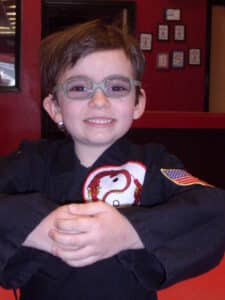
His work in this sector illustrates a broader trend among students with hearing loss who, when provided with adequate resources, pursue high-stakes professional roles in government, law, and public advocacy. Nolfi-Browne’s ability to bridge the gap between abstract academic research and tangible policy change is a testament to the comprehensive nature of his training and personal perseverance.
Data and Context: The Impact of Early Intervention
The success of individuals like Nolfi-Browne is supported by extensive longitudinal data regarding early intervention (EI) for children with hearing loss. According to the National Institute on Deafness and Other Communication Disorders (NIDCD), children who receive intervention services before the age of six months consistently demonstrate higher language, cognitive, and social-emotional development scores than those who receive services later in childhood.
Listen and Talk, the institution where Nolfi-Browne received his early education, operates on a social impact model that focuses on speech-language pathology, audiological management, and parent training. The "Life Without Limits" philosophy championed by such organizations relies on the premise that hearing loss, when managed with modern technology and intensive pedagogical support, does not constitute a developmental deficit.

The economic and social implications are significant. Studies suggest that every dollar invested in early childhood intervention yields a substantial return in long-term societal outcomes, including higher rates of higher education attainment, increased lifetime earnings, and lower dependence on social support services. Nolfi-Browne’s academic record at UCLA and his work in municipal government serve as qualitative evidence of these quantitative trends.
Institutional Recognition and Broader Implications
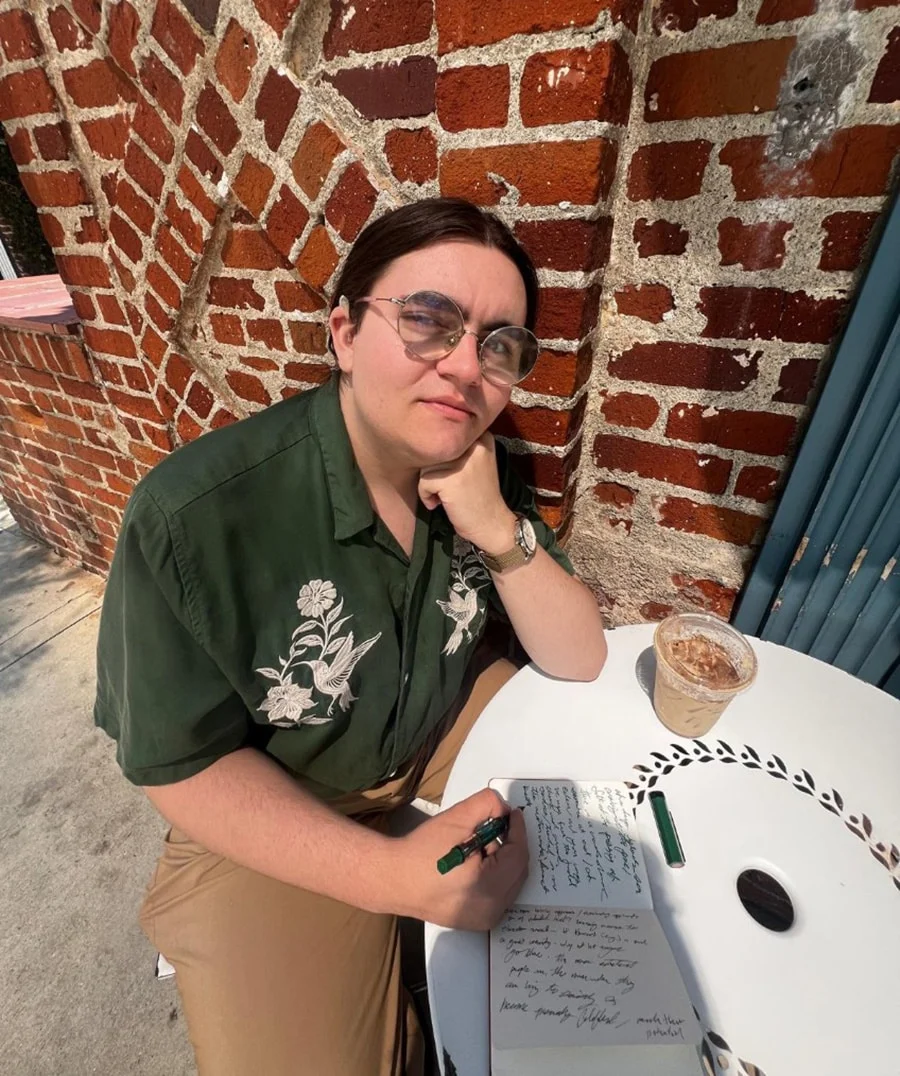
The presentation of the Life Without Limits Award to Nolfi-Browne is more than an acknowledgment of individual achievement; it is a celebration of the partnership between families and specialized educational institutions. In his current capacity, Nolfi-Browne is finalizing his honors thesis at UCLA, which has already been nominated for departmental honors—a rare feat for an undergraduate.
For Nolfi-Browne, the philosophy of "living without limits" is characterized by resilience. "It is the ability to keep going, to keep forging a path, even when the outcomes are not what you thought they would be," he remarked. This sentiment reflects the reality of navigating life as a person with a hearing disability: the path is rarely linear, and success is often contingent upon the ability to adapt to shifting circumstances.
The Future of Specialized Support
As Nolfi-Browne prepares for the next stage of his career, the organization that helped launch his journey remains focused on the future. Listen and Talk continues to seek philanthropic support to ensure that the same level of care provided to Nolfi-Browne remains accessible to new generations of children.
The funding of programs such as speech therapy, early audiological screening, and parent education is critical to sustaining this cycle of success. In an era where educational resources are increasingly competitive, the necessity of specialized, high-quality intervention remains paramount. By removing barriers to entry for deaf and hard-of-hearing children, society enables a diverse range of intellects—like that of Nolfi-Browne—to contribute to the academic and political landscape.
Conclusion
Landon Nolfi-Browne’s trajectory from an early intervention student to a departmental honors candidate at UCLA and a public policy advisor is an exemplary narrative of modern success. His achievements underscore the critical importance of early investment in children with hearing loss and demonstrate that with the right support, the potential for academic and professional excellence is virtually limitless. As he moves forward with his honors thesis and professional endeavors, Nolfi-Browne remains a standard-bearer for the effectiveness of the Listen and Talk model and a role model for students navigating similar educational journeys. His success reinforces the fundamental vision that hearing loss need not be a barrier to high-level intellectual achievement or public service.