Early Intervention and the Foundation of Communication
Wendorf’s journey began when he was only four months old. Following his diagnosis of bilateral sensorineural hearing loss, his family engaged with the Listen and Talk program, an organization dedicated to teaching children who are deaf or hard of hearing to listen and speak. By six months of age, Wendorf was already enrolled in the program, eventually progressing through their Blended Classroom PreK model.
Data from the American Speech-Language-Hearing Association (ASHA) suggests that children who receive consistent, high-quality early intervention services before the age of six months show significantly better developmental outcomes in language, social-emotional health, and academic performance compared to those who do not. The Listen and Talk model utilizes a "listening and spoken language" (LSL) approach, which emphasizes the utilization of hearing technology—such as cochlear implants or hearing aids—to provide access to sound, thereby facilitating the development of spoken language.
For Wendorf, this early exposure was not merely about acquiring vocabulary; it was about building the foundational self-advocacy skills required to navigate educational settings where he was often the only student with a hearing impairment. By the time he reached his elementary school years, the communication strategies he had internalized provided a level of confidence that allowed him to participate in mainstream activities, including athletics and the performing arts.
A Diagnostic Turning Point: Understanding Barakat Syndrome
The narrative of Wendorf’s development reached a pivotal juncture when he was 12 years old. Up until that point, his hearing loss was managed as an isolated clinical issue. However, medical testing revealed that his condition was tied to a mutation in the GATA3 gene, confirming a diagnosis of Barakat Syndrome, also known as HDR syndrome.
Barakat Syndrome is a rare genetic condition that presents as a triad: hypoparathyroidism (underactive parathyroid glands), sensorineural deafness, and renal (kidney) disease. According to the National Organization for Rare Disorders (NORD), the clinical manifestation of this syndrome varies widely among patients, making early genetic testing and multidisciplinary medical management essential.
The revelation of this diagnosis provided Wendorf and his family with a more comprehensive understanding of his health requirements. Rather than limiting his aspirations, the diagnosis allowed for more targeted medical monitoring. This period marked a transition in Wendorf’s life, where he began to view his identity not through the lens of a disability, but through the lens of a person managing a complex, yet manageable, physiological reality.
Chronology of Development and Artistic Pursuit
Wendorf’s development followed a steady, upward trajectory of integration and self-expression:
- Age 4 months: Initial diagnosis of bilateral sensorineural hearing loss.
- Age 6 months: Enrollment in the Listen and Talk program, beginning early intervention services.
- Pre-K years: Participation in the Listen and Talk Blended Classroom program, fostering peer-to-peer social interaction and auditory skill development.
- Age 12: Clinical identification of the GATA3 gene disorder, clarifying the root cause of his hearing and systemic health needs.
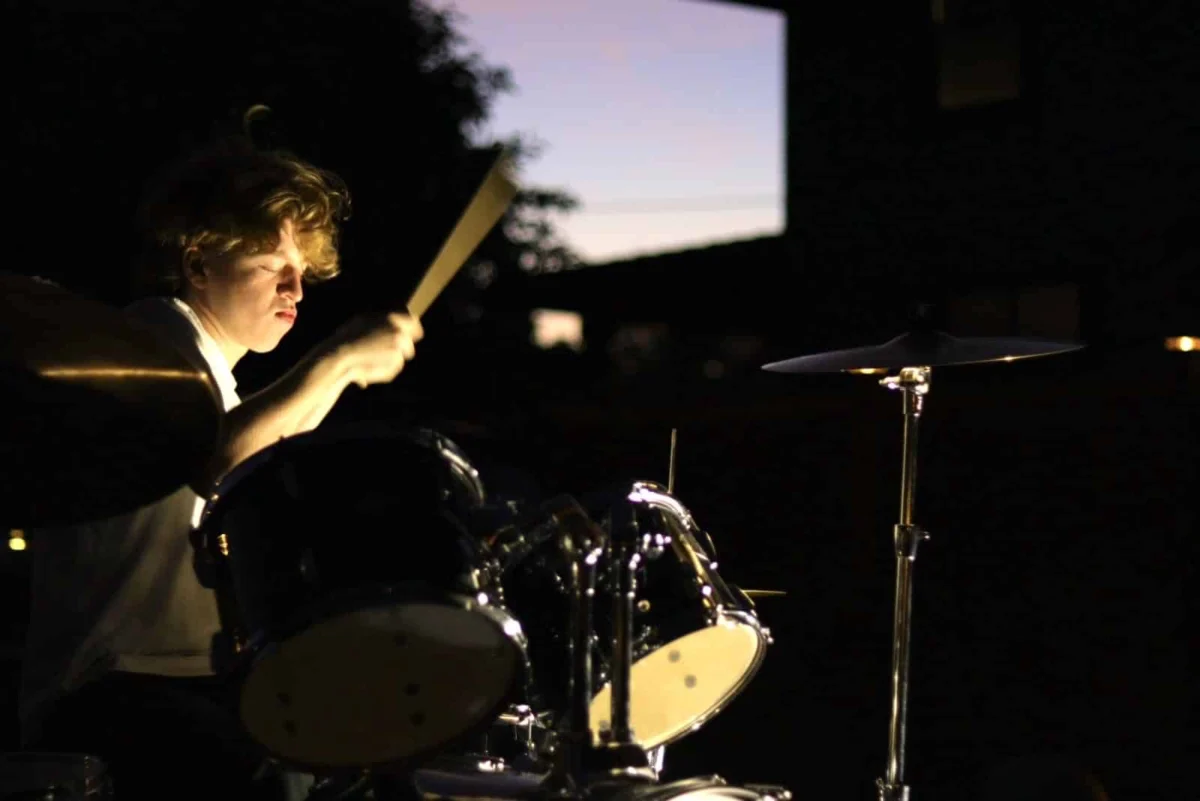
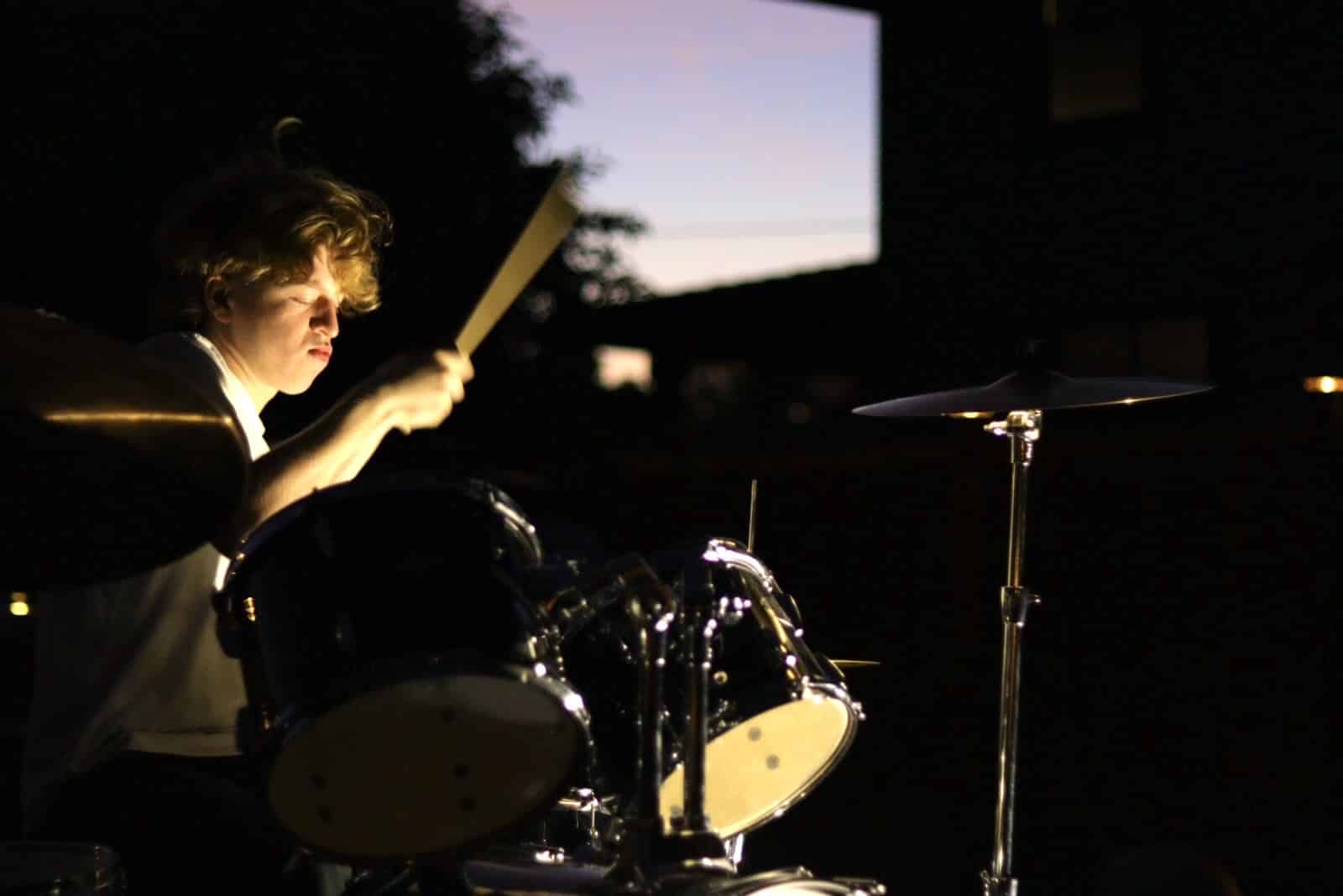
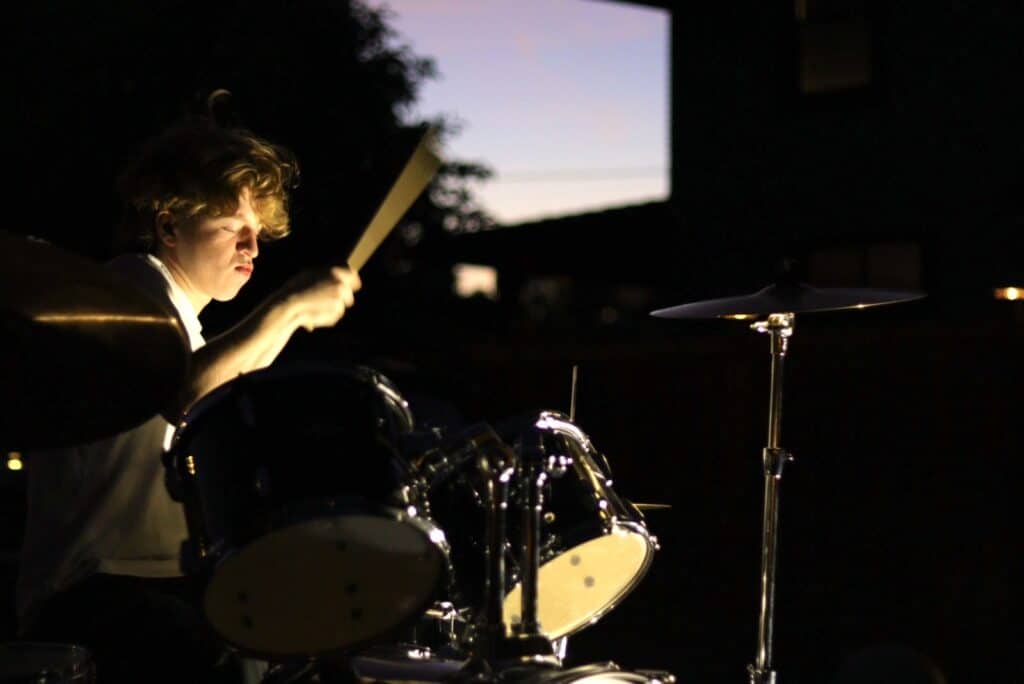
- Adolescence: Transition to mainstream school, marked by active involvement in sports and the performing arts, including self-teaching of drums and guitar.
- June 2024: Graduation from Renton High School.
- Post-Graduation: Relocation to Los Angeles to pursue a professional career in the arts.
Throughout his teenage years, Wendorf demonstrated a proclivity for the stage. His participation in improv classes and his attainment of lead roles in theatrical productions served as practical applications of his communication training. In the arts, where clarity of speech and emotional projection are paramount, Wendorf found a space where his unique perspective could be leveraged as an asset rather than a hurdle.
Perspectives on Advocacy and Self-Reliance
Reflecting on his experiences, Wendorf emphasizes the psychological impact of his early education. "Listen and Talk showed me that in a world where it feels like there aren’t many people like me, I am not alone," Wendorf stated. This sentiment is echoed by many who graduate from specialized early intervention programs; the community aspect of these centers serves as a buffer against the isolation often felt by those with hearing loss.
The role of parents in this process cannot be overstated. Wendorf’s parents note that the development of his "grounded sense of self" was a result of a collaborative effort between the family, medical professionals, and educators. By prioritizing his autonomy, his parents enabled him to move from a child receiving services to a young adult capable of navigating the competitive landscape of the Los Angeles entertainment industry.
Broader Implications for Early Intervention Policy
The success of individuals like Wendorf underscores the need for continued funding and institutional support for programs that prioritize early intervention. Current economic analysis indicates that for every dollar spent on early childhood intervention, the long-term cost-benefit ratio is high, as these children are more likely to achieve independence and contribute to the workforce.
However, the "hearing world" remains a challenging environment for many deaf and hard-of-hearing individuals. Issues regarding accessibility in the workplace, the cost of advanced hearing technologies, and the social stigma surrounding disability remain relevant. Organizations such as Listen and Talk are currently leveraging the success of alumni like Wendorf to fuel their Alumni Family Giving Campaigns, which aim to lower the barrier of entry for new families seeking these services.
Conclusion: A Legacy of Empowerment
As Wendorf pursues his career in Los Angeles, his story serves as a testament to the fact that hearing loss does not dictate the limits of human potential. His journey illustrates the synergy between medical advancement, dedicated therapeutic support, and individual drive.
The implications of his success are twofold: first, they provide a roadmap for parents currently navigating a new diagnosis; second, they highlight the necessity of societal environments that are increasingly inclusive of neurodivergent and sensory-impaired individuals. By fostering self-advocacy and providing the tools necessary for clear communication, programs like Listen and Talk ensure that the narrative of hearing loss is rewritten from one of limitation to one of opportunity. For Wendorf, the stage is now set for a future that he has spent his entire life preparing for—a future where he does not just listen, but where he is actively heard.