
Contextualizing the Global Chemical Crisis
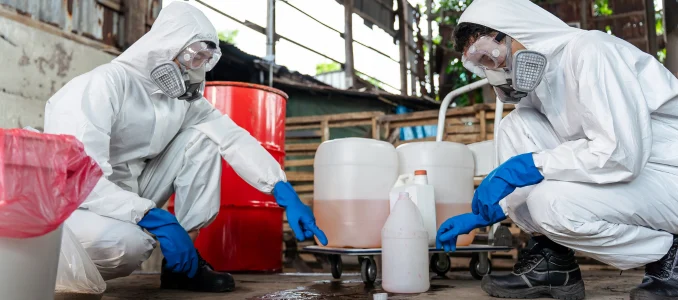
Chemical exposure in the workplace remains one of the leading causes of occupational illness and mortality worldwide. According to estimates from the World Health Organization (WHO) and the ILO, millions of workers are exposed to hazardous substances—including carcinogens, respiratory sensitizers, and neurotoxins—on a daily basis. The economic burden of these exposures is staggering, often resulting in significant losses in productivity, increased healthcare expenditures, and diminished quality of life for laborers in sectors ranging from manufacturing and agriculture to electronics and chemical processing.
The Geneva conference was convened under the auspices of the Global Framework on Chemicals (GFC), an ambitious international agreement aimed at the sound management of chemicals and waste throughout their lifecycle. Target D7 of the GFC represents a pivotal milestone for the international community, explicitly mandating that stakeholders enhance protections for workers by the year 2030. This target encompasses not only the adoption of rigorous safety protocols but also the integration of environmental safeguards across all relevant sectors, effectively closing the gaps in supply chain oversight that have historically left workers unprotected.

A Tripartite Approach to Safety
The forum’s core discussions centered on the practical implementation of safety policies, drawing lessons from four nations—Pakistan, Nepal, Kenya, and Malaysia—that have faced unique challenges in regulating chemical use. By analyzing these case studies, participants identified three strategic priorities essential for transforming policy into tangible safety outcomes:
- National System Integration: Safety interventions must be embedded directly into national occupational safety and health (OSH) frameworks. This ensures that chemical safety is not treated as a peripheral issue but as a core component of national labor law.
- Inter-agency Coordination: Chemical safety is a cross-departmental challenge. Forum participants underscored the necessity of improved coordination between ministries of labor, health, environment, and industry to eliminate regulatory silos that often allow hazardous substances to slip through the cracks of oversight.
- Social Dialogue: Effective safety practices require the active participation of those at risk. The ILO emphasized that fostering a culture of social dialogue—where workers, unions, and employers engage in transparent negotiations—is the most effective way to ensure that safety measures are both practical and respected on the factory floor.
The Proposed Labour Implementation Programme
A significant portion of the conference was dedicated to the introduction of a proposed Labour Implementation Programme. This initiative aims to harmonize global efforts by providing a structured roadmap for governments to follow. The ILO argued that without a coordinated global implementation plan, safety initiatives remain fragmented and inconsistent across borders.

The proposed programme seeks to address the "compliance gap," where laws exist on paper but are rarely enforced due to a lack of resources, expertise, or political will. By providing technical assistance and creating a mechanism for knowledge transfer, the ILO hopes to empower developing nations to modernize their inspection systems, invest in better personal protective equipment (PPE), and implement comprehensive chemical inventory management systems.
Economic and Regulatory Implications
The push for stricter chemical regulation has profound implications for global trade and corporate governance. As multinational corporations face increasing pressure from environmental, social, and governance (ESG) standards, the integration of rigorous chemical safety practices is no longer merely a regulatory requirement; it is a prerequisite for maintaining a social license to operate.

Industry experts note that businesses failing to adopt these standards face significant risks, including litigation, supply chain disruptions, and reputational damage. Conversely, firms that invest in safety often report higher levels of worker retention, reduced downtime, and improved operational efficiency. The Geneva talks signaled a shift toward a more proactive stance, where governments and industry are expected to share the burden of protecting workers, rather than placing the onus entirely on laborers to manage their own risks.
Chronology of Recent Global Safety Initiatives
The urgency surrounding the Geneva forum is part of a multi-year effort to modernize occupational safety standards in an era of rapid technological advancement and chemical innovation.

- 2020–2022: The COVID-19 pandemic highlighted the fragility of global supply chains and the critical importance of workplace safety, prompting a renewed international focus on OSH as a fundamental right at work.
- June 2022: The International Labour Conference officially declared a safe and healthy working environment as a fundamental principle and right at work.
- September 2023: The Fifth International Conference on Chemicals Management (ICCM5) adopted the Global Framework on Chemicals, establishing the 2030 deadline for the current safety objectives.
- November 2024: The Geneva Labour Forum served as the first major assessment of the progress made toward the GFC’s Target D7, marking a shift from theoretical policy to implementation-focused discussions.
The Role of Data and Evidence-Based Oversight
A recurring theme during the sessions was the scarcity of reliable data regarding chemical exposure in informal and small-to-medium enterprise (SME) sectors. Unlike large-scale industrial plants, small workshops in many developing nations operate outside of formal regulatory view, making it difficult to track chemical usage or health outcomes.
The ILO has advocated for the development of digital tools that can help SMEs catalog the chemicals they use and access safety data sheets (SDS) in local languages. The forum participants agreed that moving forward, any successful implementation of the Global Framework must include a robust mechanism for data collection. Without accurate statistics on the number of workers exposed, the types of chemicals used, and the prevalence of related illnesses, it is impossible to measure progress or justify the allocation of resources.

Perspectives from Stakeholders
While government representatives emphasized the need for legislative reform, employer delegates highlighted the practical challenges of transitioning to safer alternatives. Many business owners expressed concern over the high cost of substituting hazardous chemicals with greener, safer options.
In response, worker representatives argued that the "cost of inaction"—measured in human lives and long-term disability—far outweighs the capital investment required for safety upgrades. The dialogue highlighted the need for financial incentives, such as tax breaks or subsidies for businesses that adopt green chemistry practices, as a way to bridge the gap between financial constraints and safety mandates.

Future Outlook and Conclusion
As the conference concluded, the consensus remained that the path to 2030 will require unprecedented cooperation between the public and private sectors. The ILO’s emphasis on integrating workplace safety into national agendas suggests a move toward more centralized, strictly enforced oversight.
The implications for the global labor market are significant. Over the next five years, countries are expected to align their national labor codes with the GFC standards, potentially leading to a wave of new regulations and enforcement protocols. For workers, this could mean safer handling procedures, better access to information about the substances they handle, and stronger legal protections. For employers, it necessitates a shift toward more responsible supply chain management and a renewed commitment to the health of the workforce.

The Geneva talks have successfully reframed chemical safety not just as a technical issue of hazard management, but as a fundamental human rights issue. By centering the discourse on the lived experience of workers and the practical realities of industrial operations, the ILO and its partners have laid a foundation for a more resilient and protective global occupational safety framework. As the global economy continues to rely on chemical innovation, the necessity for a coherent, unified approach to worker safety will only grow, making the outcomes of these discussions a cornerstone of international labor policy for the remainder of the decade.