

The Foundation of Auditory Health: Differentiating Hearing Loss Types
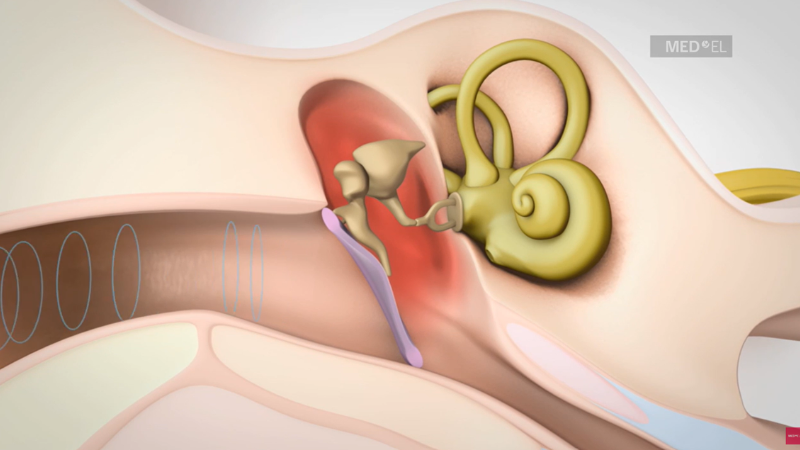
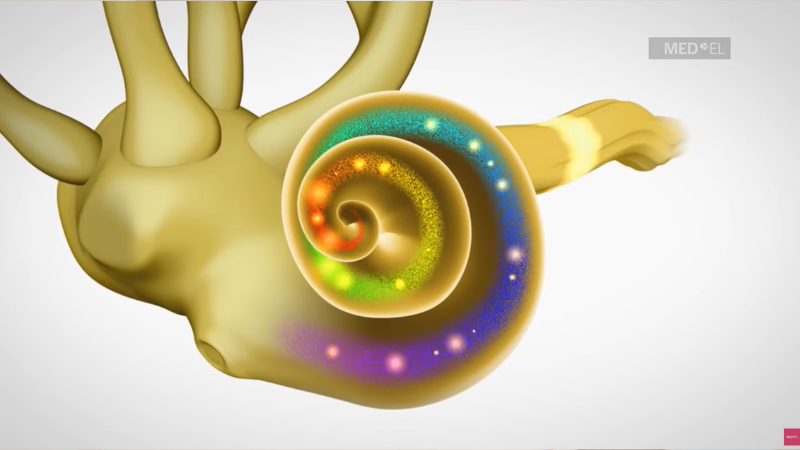
At its core, hearing involves a complex pathway: sound waves enter the ear canal, vibrate the eardrum, are amplified by the tiny bones in the middle ear, and then stimulate the cochlea in the inner ear. Within the cochlea, specialized hair cells convert these mechanical vibrations into electrical signals. These signals are then transmitted via the auditory nerve to the brain, where they are interpreted as sound. Disruptions at any point in this intricate process can lead to hearing loss.
Conductive hearing loss occurs when sound waves are blocked or dampened before they can reach the sensitive hair cells of the inner ear. This can be due to a physical obstruction, fluid buildup, or damage to the eardrum or middle ear bones. Imagine trying to hear music through a thick wall; the sound is present but significantly diminished and muffled.
Sensorineural hearing loss, on the other hand, affects the inner ear or the auditory nerve itself. This means that while sound may reach the cochlea, the hair cells responsible for converting vibrations into electrical signals are damaged, or the auditory nerve is unable to effectively transmit these signals to the brain. This is akin to the wiring between a microphone and a speaker being faulty; the sound is picked up, but it cannot be processed or transmitted correctly.

In some cases, individuals may experience a combination of both types of hearing loss, known as mixed hearing loss. This is not uncommon, particularly among older adults or those with a history of chronic ear conditions. Addressing mixed hearing loss requires a multi-faceted approach that targets both the conductive and sensorineural components.
Conductive vs. Sensorineural Hearing Loss: A Comparative Overview
To clearly delineate the characteristics of each type of hearing loss, a comparative analysis is essential:
| Feature | Conductive Hearing Loss | Sensorineural Hearing Loss |
|---|---|---|
| Location | Outer ear or middle ear | Inner ear (cochlea) or auditory nerve |
| Mechanism | Impaired sound transmission | Impaired sound transduction and neural signal transmission |
| Common Causes | Earwax impaction, middle ear infections (otitis media), fluid in the middle ear, perforated eardrum, otosclerosis | Aging (presbycusis), prolonged noise exposure, genetic factors, certain illnesses (e.g., Meniere’s disease), ototoxic medications, head trauma |
| Auditory Sensation | Sound often described as muffled, quiet, or blocked. Difficulty hearing faint sounds. | Speech may be quieter, and certain frequencies might be lost. Difficulty understanding speech, especially in noisy environments. |
| Prognosis | Often temporary and reversible, depending on the underlying cause. | Usually permanent and progressive, though manageable. |
| Typical Treatments | Medical intervention (e.g., earwax removal, antibiotics for infections), minor surgery, bone conduction devices. | Hearing aids, cochlear implants, other implantable hearing solutions. |
Understanding Conductive Hearing Loss
Conductive hearing loss occurs when there is an impediment to sound traveling from the outer ear to the inner ear. This can be due to a variety of reasons, ranging from simple blockages to more complex structural issues.
Common Causes of Conductive Hearing Loss:
- Earwax Impaction: An excessive buildup of earwax can block the ear canal, significantly reducing the amount of sound that reaches the eardrum. This is a very common and easily treatable cause.
- Middle Ear Infections (Otitis Media): Infections in the middle ear often lead to fluid accumulation behind the eardrum. This fluid dampens vibrations and hinders the movement of the middle ear bones, resulting in hearing loss. This is particularly prevalent in children.
- Perforated Eardrum: A hole or tear in the eardrum, caused by injury, infection, or sudden pressure changes, can prevent efficient sound transmission.
- Otosclerosis: A condition where abnormal bone growth in the middle ear affects the stapes, one of the small ossicles, limiting its ability to transmit vibrations.
- Foreign Objects: In children, small objects lodged in the ear canal can cause conductive hearing loss.
What Conductive Hearing Loss May Sound Like:

Individuals experiencing conductive hearing loss often report that sounds are "muffled," "quieter," or feel as if their "ears are plugged." They might describe hearing as if they are underwater, with a general reduction in sound intensity rather than distortion.
Reversibility of Conductive Hearing Loss:
The reversibility of conductive hearing loss is highly dependent on its cause. Many instances, such as earwax impaction or middle ear infections, can be effectively treated with medical or surgical interventions, leading to a full or significant recovery of hearing. However, conditions like otosclerosis or severe eardrum damage may require more involved treatments, and in some cases, may result in persistent hearing loss.
Understanding Sensorineural Hearing Loss
Sensorineural hearing loss (SNHL) represents damage to the inner ear or the auditory nerve. This type of hearing loss is more common and often more challenging to manage due to the delicate nature of the cochlea’s hair cells and the auditory pathway.
Common Causes of Sensorineural Hearing Loss:
- Presbycusis (Age-Related Hearing Loss): This is the most common cause of SNHL, affecting millions worldwide. It is a gradual deterioration of hearing that occurs as part of the aging process, typically impacting the ability to hear high-frequency sounds first. The World Health Organization (WHO) estimates that by 2050, nearly 1.5 billion people will be living with hearing loss, with presbycusis being a major contributing factor.
- Noise-Induced Hearing Loss (NIHL): Prolonged exposure to loud noises, whether from occupational hazards (e.g., construction, manufacturing) or recreational activities (e.g., concerts, firearms), can damage the delicate hair cells in the cochlea. The U.S. National Institute on Deafness and Other Communication Disorders (NIDCD) reports that approximately 15% of Americans aged 20 to 69 have hearing loss attributed to occupational noise.
- Genetics: Hereditary factors can predispose individuals to SNHL, with onset potentially occurring at birth or later in life.
- Illness and Medical Conditions: Certain diseases, such as meningitis, viral infections (like measles or mumps), and conditions affecting blood flow to the inner ear, can cause SNHL. Meniere’s disease, an inner ear disorder, is characterized by fluctuating hearing loss, vertigo, and tinnitus.
- Ototoxic Medications: A range of medications, including certain antibiotics (e.g., aminoglycosides), chemotherapy drugs, and high doses of aspirin, can be toxic to the inner ear, leading to SNHL.
- Head Trauma: Significant head injuries can disrupt the structures of the inner ear or the auditory nerve.
What Sensorineural Hearing Loss May Sound Like:
SNHL often affects both the loudness and clarity of sound. Individuals may experience a reduction in the ability to hear speech, particularly in the presence of background noise. Sounds might seem distorted, and certain frequencies, especially those crucial for understanding speech, may be lost. This can lead to difficulties in conversations, understanding phone calls, and participating in group settings. Tinnitus, a ringing or buzzing in the ears, is also a common symptom associated with SNHL.
Permanence of Sensorineural Hearing Loss:
In most cases, SNHL is permanent. The damage to the hair cells in the cochlea or the auditory nerve is typically irreversible. Therefore, management strategies focus on amplifying residual hearing, restoring access to sound, and improving communication.
Mixed Hearing Loss: A Complex Scenario
Mixed hearing loss occurs when an individual has both conductive and sensorineural components contributing to their hearing impairment. For instance, someone with age-related hearing loss (sensorineural) might also develop a middle ear infection (conductive).
Implications of Mixed Hearing Loss:
The presence of mixed hearing loss necessitates a comprehensive diagnostic evaluation to identify and address both contributing factors. Treatment plans must be tailored to manage the specific combination of issues. For example, a conductive component might be surgically corrected, while the sensorineural component might be managed with hearing aids or cochlear implants. This complexity underscores the importance of professional audiometric testing.
Diagnosis: Pinpointing the Type of Hearing Loss
Accurately diagnosing the type and degree of hearing loss is paramount for effective treatment. While individuals may recognize a decline in their hearing, self-diagnosis is unreliable. A thorough evaluation by a hearing healthcare professional, such as an audiologist, is essential.
Diagnostic Tools and Procedures:
- Audiometry: This is the cornerstone of hearing assessment. It involves a series of tests to measure hearing sensitivity across different frequencies and sound intensities.
- Pure-tone audiometry: Measures the softest sounds a person can hear at various pitches.
- Speech audiometry: Assesses how well a person can understand spoken words at different volume levels.
- Tympanometry: This test measures the function of the middle ear, including the eardrum’s movement and the pressure within the middle ear space. It is particularly useful in identifying conductive hearing loss related to middle ear problems.
- Otoacoustic Emissions (OAEs): These tests measure the response of the outer hair cells in the cochlea to sound. OAEs are typically present in individuals with normal cochlear function and can help differentiate between conductive and sensorineural loss.
- Auditory Brainstem Response (ABR): This test measures the electrical activity in the auditory nerve and brainstem in response to sound. It is useful for assessing the integrity of the auditory pathway and can be used for individuals who cannot participate in behavioral tests.
- Imaging Studies: In certain cases, an MRI or CT scan may be ordered to visualize the structures of the ear and identify underlying causes of hearing loss, such as tumors or malformations.
The Role of Online Hearing Tests:
While not a substitute for professional diagnosis, online hearing tests can serve as a valuable initial screening tool. They can alert individuals to potential hearing issues and encourage them to seek further evaluation. Companies like MED-EL offer free online hearing tests as a first step for individuals concerned about their auditory health.
Treatment Pathways: Restoring Auditory Function
Treatment strategies for hearing loss are dictated by its type, severity, and underlying cause.
Treatments for Conductive Hearing Loss:
- Medical Management: For conditions like earwax impaction or infections, medical treatments such as earwax removal, antibiotics, or anti-inflammatory medications are often effective.
- Surgical Interventions: In cases of perforated eardrums, otosclerosis, or other structural abnormalities, surgical procedures like tympanoplasty (eardrum repair) or stapedectomy (stapes bone replacement) may restore hearing.
- Bone Conduction Devices: For individuals with conductive hearing loss that cannot be fully corrected surgically, bone conduction devices can bypass the outer and middle ear to transmit sound directly to the inner ear. Devices like the MED-EL Bonebridge are examples of such advanced solutions.
Treatments for Sensorineural Hearing Loss:
- Hearing Aids: For mild to moderate SNHL, hearing aids are the most common treatment. These devices amplify sound, making it easier to hear and understand speech. Modern hearing aids are sophisticated, offering features like noise reduction and directional microphones.
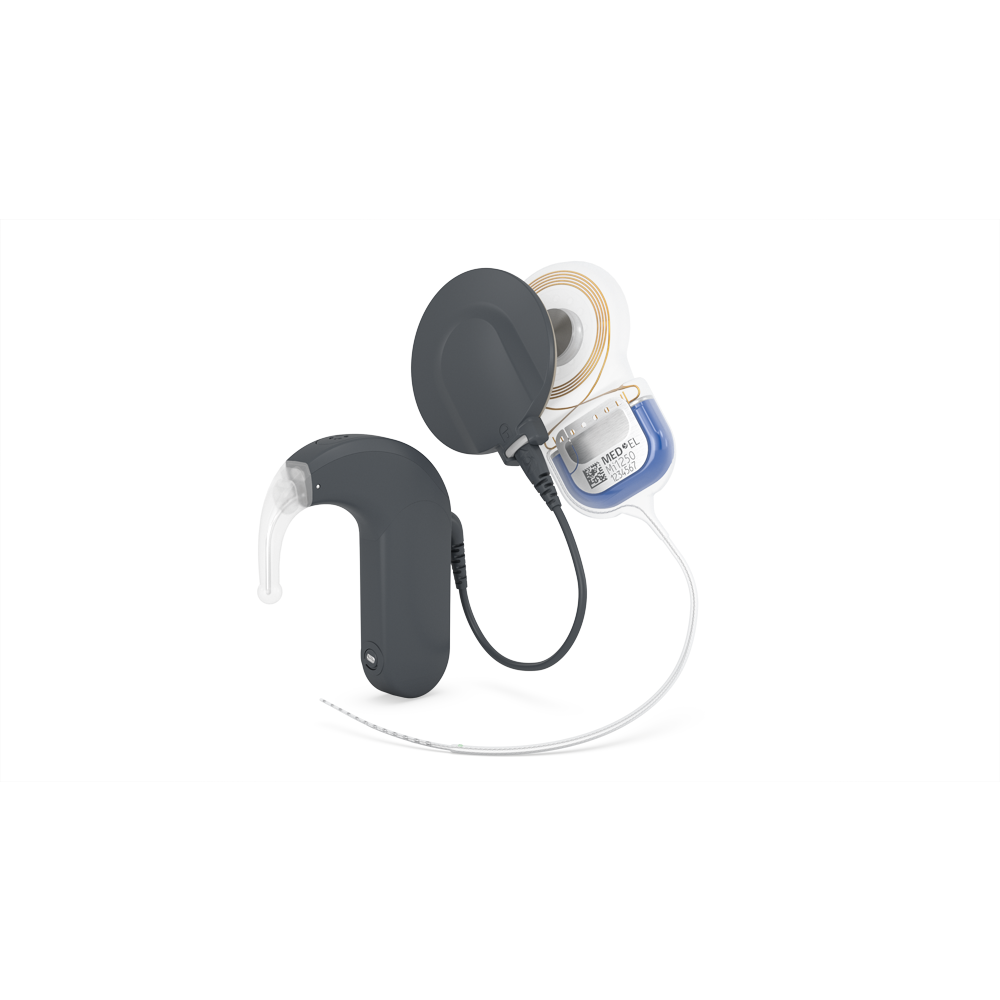
- Cochlear Implants: For individuals with severe to profound SNHL who receive little or no benefit from hearing aids, cochlear implants offer a revolutionary solution. These implantable devices bypass damaged hair cells in the cochlea and directly stimulate the auditory nerve with electrical signals. MED-EL is a leading provider of cochlear implant systems, offering a range of devices designed for different age groups and hearing loss profiles.
- Auditory Brainstem Implants (ABIs): In rare cases where the auditory nerve itself is damaged or absent, ABIs can be implanted to bypass the nerve and directly stimulate the brainstem.
- Assistive Listening Devices (ALDs): ALDs, such as FM systems, loop systems, and amplified telephones, can improve hearing in specific situations, such as classrooms or noisy environments.
The Importance of Early Intervention and Professional Consultation
The impact of hearing loss extends beyond the auditory system, affecting social interactions, cognitive function, and overall quality of life. Sudden changes in hearing, in particular, warrant immediate medical attention to rule out serious underlying conditions and ensure timely treatment.

For individuals experiencing any form of hearing difficulty, seeking professional evaluation is the most crucial step. A comprehensive assessment by a qualified hearing healthcare professional can accurately diagnose the type and severity of hearing loss, paving the way for an appropriate and effective management plan. Early intervention not only maximizes the chances of successful treatment but also helps mitigate the long-term consequences of untreated hearing impairment.
MED-EL, a pioneer in hearing implant technology, emphasizes the importance of understanding one’s hearing health. Their commitment to patient-centered innovation drives the development of advanced solutions that aim to restore the joy of hearing and improve the lives of individuals affected by hearing loss. By providing accessible information and resources, including online hearing tests and direct contact channels, MED-EL empowers individuals to take proactive steps towards better auditory well-being.