The Critical Window: Early Intervention and Development
Sensorineural hearing loss occurs when there is damage to the inner ear or the nerve pathways from the inner ear to the brain. According to the National Institute on Deafness and Other Communication Disorders (NIDCD), approximately two to three out of every 1,000 children in the United States are born with a detectable level of hearing loss in one or both ears. Medical consensus emphasizes that the first three years of life represent a "critical period" for brain development, particularly in the areas of language acquisition and cognitive processing.
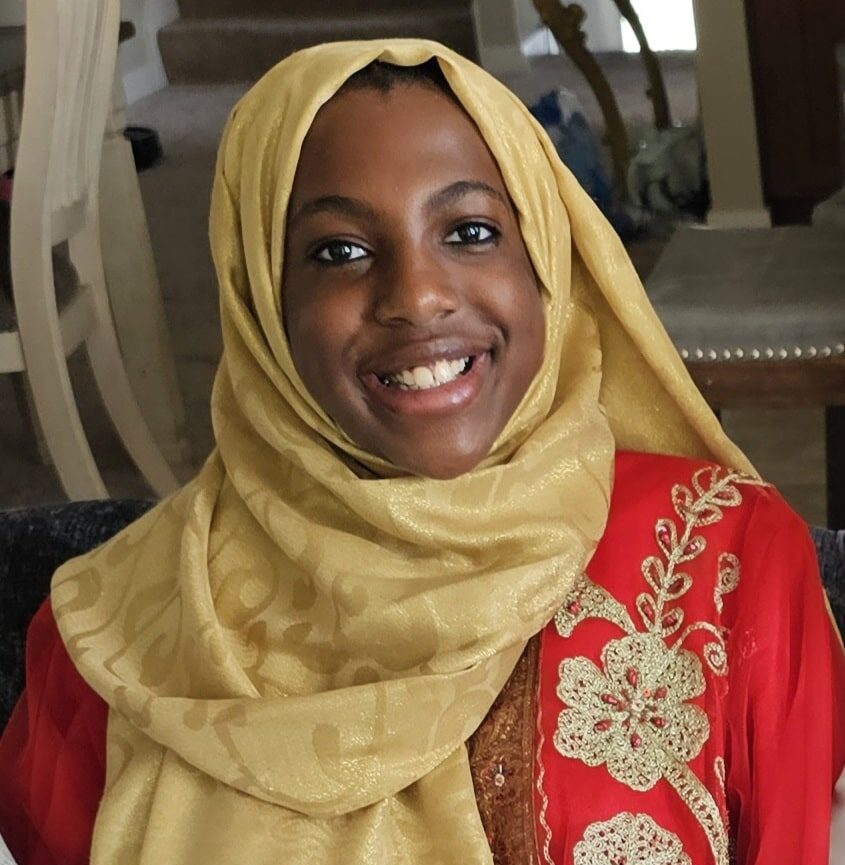
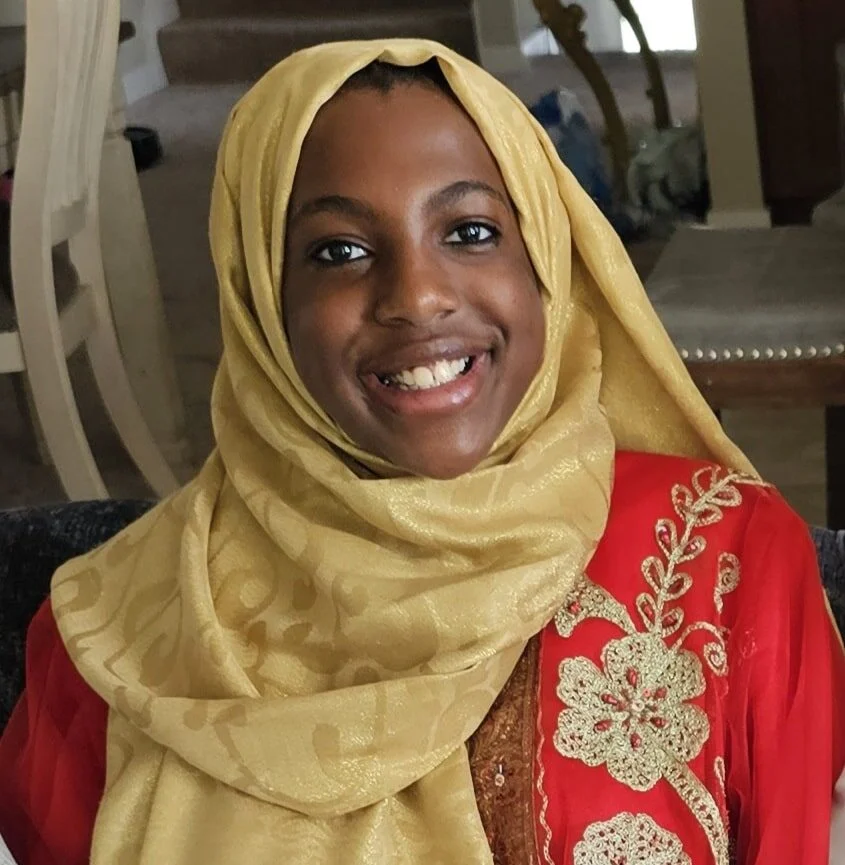
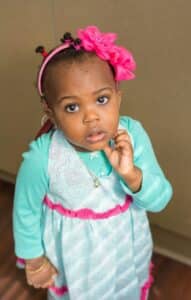
For Amalia, the decision by her family to pursue a listening and spoken language (LSL) approach was rooted in the necessity of capitalizing on this developmental window. By receiving cochlear implants at 10 months of age, she was provided with the technological foundation to access sound. However, technology is only one component of the equation. The specialized educational environment provided by Listen and Talk—which focuses on the "Birth to Three" program and the "Blended Classroom" model—offered the pedagogical scaffolding required to transform those signals into functional speech and language.
A Chronology of Success
The timeline of Amalia’s development underscores the importance of a structured, multi-stage educational approach.
- Infancy (0–12 months): Diagnosis of sensorineural hearing loss followed by the surgical implantation of cochlear devices at the 10-month mark.
- Early Childhood (1–3 years): Enrollment in the "Birth to Three" program at Listen and Talk. This stage focused on parental coaching and intensive, play-based auditory therapy designed to integrate listening into everyday activities.
- Preschool and Primary Years: Transition into the "Blended Classroom," where Amalia learned alongside both hearing and hearing-impaired peers. This environment is essential for developing social-emotional skills and ensuring that children with hearing loss can advocate for themselves in mainstream educational settings.
- Adolescence: Successful integration into a general education classroom, supported by the foundational linguistic skills and self-confidence built during her earlier years. Today, Amalia maintains a balanced life, participating in competitive sports including swimming, basketball, and track and field.
Data-Driven Outcomes in Auditory-Verbal Therapy
The success of the Listen and Talk model is backed by broader data regarding auditory-verbal outcomes. Studies published in journals such as The Volta Review consistently show that children who receive consistent, high-quality LSL therapy achieve language scores comparable to their hearing peers by the time they enter elementary school.
The integration of children with hearing loss into general education classrooms—a milestone Amalia has successfully achieved—is the gold standard for long-term educational outcomes. Research indicates that when children with cochlear implants are provided with early, high-intensity support, they are significantly more likely to graduate from high school, enroll in higher education, and participate in the workforce at rates equal to the general population. The "Blended Classroom" approach utilized in programs like Listen and Talk is designed specifically to bridge the gap between clinical support and the social realities of a standard school environment.
The Role of Advocacy and Parental Engagement
A key factor in Amalia’s progress, and a common theme among successful alumni, is the level of parental involvement. The Listen and Talk model relies heavily on the "coaching" method, where therapists work with parents to turn the home environment into an extension of the classroom.
"From the beginning, we wanted to pursue a listening and spoken language approach, and Listen and Talk provided the expertise, support, and encouragement we needed to make that possible," noted a representative for the Faraji family. This partnership between clinical professionals and caregivers is essential for consistency. When parents are empowered with the tools to encourage language development throughout the day, the child’s vocabulary and social aptitude expand at a rate that traditional clinical settings alone cannot replicate.
Broader Implications for Healthcare and Education
The story of Amalia Faraji serves as a template for policy and practice in the fields of speech-language pathology and deaf education. The implications for healthcare providers are clear: the "wait and see" approach to mild or moderate hearing loss is increasingly being replaced by aggressive, proactive intervention.
Furthermore, the social participation of children with hearing loss in athletics, such as Amalia’s involvement in track and field and basketball, proves that the limitations traditionally imposed by hearing loss are often more a matter of resource access than innate ability. By normalizing the use of assistive technology and focusing on spoken language, programs like Listen and Talk shift the focus from "disability" to "capability."
The Necessity of Sustained Support: The Alumni Giving Campaign
While the success of individual students like Amalia is an achievement in itself, the sustainability of these programs requires significant public and private support. The organization is currently promoting its "Alumni Family Giving Campaign," a fundraising initiative aimed at ensuring that the same level of care provided to Amalia remains available for the next generation of students.

The campaign highlights a vital reality in the non-profit sector: specialized education for deaf and hard-of-hearing children is resource-intensive. It requires low student-to-teacher ratios, advanced audiological equipment, and constant professional development for staff. As organizations look toward the future, the integration of alumni success stories serves as both a testament to the program’s value and a call to action for donors.
"Our vision is that no child is limited by hearing loss," an official statement from Listen and Talk noted. This mission, while ambitious, is supported by the tangible outcomes observed in the lives of graduates who have moved into higher education and the professional world.
Conclusion
The trajectory of Amalia Faraji’s life is not merely a story of individual success, but a validation of the auditory-verbal philosophy. By prioritizing early diagnosis, technological intervention, and a blended educational environment, the barriers that once defined life for the hearing impaired are being dismantled.
As we look at the broader landscape of special education, it is clear that the integration of community-based support and academic rigor is the most effective path toward inclusion. For the family of Amalia Faraji, the results are definitive: she is not only surviving in a mainstream educational environment, but she is thriving, participating in her community, and pursuing a future defined by her own ambitions rather than the constraints of her hearing loss. The continued support of such programs remains an essential investment in the potential of children who, given the right tools, are capable of achieving anything.