
The Physiological Reality of an Aging Workforce
The biological changes associated with aging are nuanced but impactful within industrial environments. As workers cross the 55-year threshold, physiological markers such as muscle mass, bone density, and visual acuity begin to decline. Studies in occupational health indicate that diminished reaction times, reduced balance, and a reduced capacity for thermoregulation can significantly alter a worker’s interaction with their environment.
These changes are not merely matters of convenience; they are critical factors in the severity of workplace accidents. While a younger worker might suffer a minor strain from a slip, an older worker—whose skeletal structure may be more brittle due to reduced bone density—is statistically more likely to suffer a fracture. Furthermore, the recovery trajectory for this demographic is demonstrably longer. Tissue regeneration, metabolic efficiency, and immune response all slow with age, meaning that even moderate injuries often translate into prolonged periods of disability, higher medical costs, and increased risk of permanent impairment.
Chronic Conditions and the Medication Factor
A significant complication in modern safety management is the prevalence of chronic health conditions among the aging workforce. Current data suggests that nearly 50% of employees aged 55 and older manage at least one chronic condition, such as hypertension, diabetes, or osteoarthritis. These conditions often necessitate daily medication, which introduces secondary safety risks.
Pharmacological interventions—particularly those used to manage blood pressure or pain—can cause side effects including dizziness, drowsiness, or dehydration, all of which are primary contributors to fall-related accidents. The intersection of these health factors with demanding physical labor creates a "presenteeism" crisis. When workers attempt to fulfill their duties while managing systemic health issues, the risk of cognitive error and physical failure increases. Occupational safety experts emphasize that a proactive approach must shift from generic safety protocols to a "chronic-condition-aware" model, where workstation design and task allocation are adjusted to accommodate the specific physical limitations of the individual.

Chronology of a Shifting Trend
The current crisis did not emerge overnight. It is the culmination of demographic, economic, and industrial trends spanning the last twenty years:
- 2005–2010: The "Great Recession" forced many older workers to delay retirement, beginning a sustained trend of increased labor participation for the 55+ demographic.
- 2015–2020: As the "Silver Tsunami" hit the labor market, industries in manufacturing and logistics began relying heavily on the institutional knowledge of veteran workers to offset a lack of skilled younger recruits.
- 2022–2024: Following the global pandemic, labor shortages in essential services intensified. Employers implemented incentives for retirees to return or stay on, further increasing the median age of the workforce in high-hazard sectors.
- 2026: Current data indicates that while overall incident rates remain stable, the severity of claims has reached a historical peak, prompting a regulatory and insurance-based reevaluation of workplace safety standards.
Data Analysis: The Severity Gap
According to analysis from the early months of 2026, the primary concern for risk managers is no longer the frequency of accidents, but their clinical complexity. Industry reports indicate that injury frequency among workers aged 60 and older rose by approximately 2.8% in 2024. While this percentage may seem modest, it represents a significant increase in the financial and human costs associated with workers’ compensation claims.
Older workers are significantly more likely to experience musculoskeletal disorders (MSDs), specifically those involving the lumbar spine, shoulders, and hips. These injuries are notoriously difficult to treat and often require multiple diagnostic imaging sessions, specialized surgical interventions, and extended physical therapy. From an insurance perspective, these claims carry a higher "tail"—a longer duration during which the claimant is out of work and receiving benefits. Data suggests that the cost per claim for workers aged 60+ is, on average, 30% higher than the cost per claim for workers aged 30–40, primarily due to the duration of medical treatment and the slow pace of rehabilitation.

Implications for Workplace Safety and Ergonomics
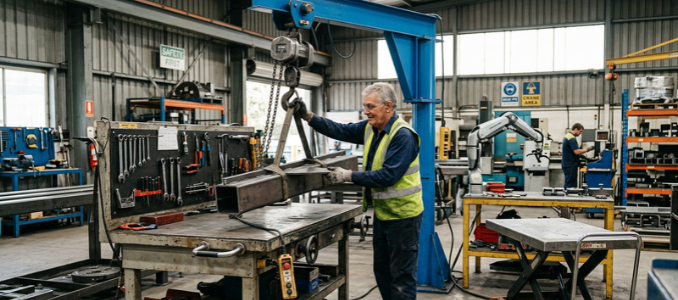
To address these trends, industrial organizations are beginning to implement comprehensive, age-inclusive safety programs. The focus is shifting toward "ergonomic maturity," which involves redesigning workspaces to reduce physical stress. Examples include the installation of anti-fatigue matting, the introduction of robotic assistance for heavy lifting, and the implementation of adjustable-height workbenches to minimize repetitive bending.
Furthermore, safety managers are emphasizing the importance of "micro-breaks." Research suggests that older workers benefit more from shorter, frequent intervals of rest than from long, infrequent breaks. By reducing the accumulation of physical fatigue, these breaks can help maintain high levels of alertness and physical stability throughout a standard shift.
Official Responses and Industry Shifts
Industry leaders and insurance providers have begun to issue guidance aimed at mitigating these risks. The consensus among safety consultants is that the traditional "one-size-fits-all" safety manual is obsolete. Many firms are now adopting a "Life-Cycle Safety" approach. This includes:

- Modified Return-to-Work Pathways: Recognizing that older workers face higher rates of reinjury, corporations are implementing "bridge" programs that allow employees to return to light-duty roles while continuing supervised physical therapy.
- Wellness Integration: Recognizing that chronic disease impacts safety, many employers are integrating onsite health screenings—monitoring blood pressure and mobility—directly into their occupational health services.
- Hazard Mitigation: Moving away from manual-heavy processes toward semi-automated tools that reduce the physical load on the employee, thereby preserving their long-term health.
The Broader Impact on Global Industry
The implications of an aging workforce extend beyond the factory floor. As these workers represent the most experienced segment of the labor force, their safety is inextricably linked to organizational productivity and institutional memory. When a veteran worker is sidelined by a severe injury, the loss of specialized skill often leads to a drop in operational quality and a spike in training costs for replacement staff.
Furthermore, the legal and ethical landscape of workers’ compensation is shifting. As aging becomes a recognized factor in injury outcomes, employers face increasing pressure to prove they have provided an environment that is safe for all age groups, not just the physically robust. Failure to adapt to these demographic realities is increasingly viewed as a failure of risk management.
In conclusion, the rise of the older workforce is a double-edged sword. While it provides industries with a wealth of experience and stability, it requires a fundamental redesign of the modern workplace. Organizations that prioritize ergonomic innovation, health-focused safety planning, and realistic recovery pathways will not only protect their most valuable human assets but will also ensure their own long-term viability in an increasingly challenging economic environment. The task ahead for safety professionals is clear: to build an industrial world that honors the experience of the older worker by proactively engineering out the risks that threaten their longevity.