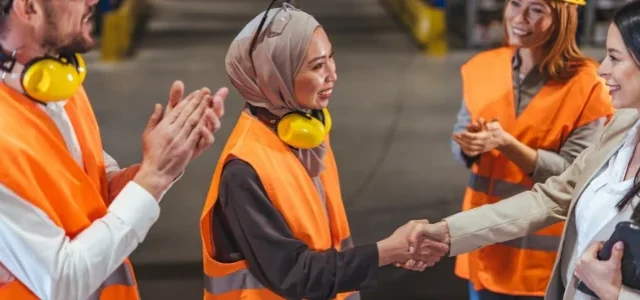
The roundtable will feature Deputy Mayor for Economic Justice Julie Su, who will engage directly with labor representatives to analyze the hazardous conditions prevalent in both outdoor and poorly ventilated indoor environments. Participants include members of 32BJ SEIU, the Amazon Labor Union, Teamsters Local 804, Local 372, and SMART Local 28, representing a broad cross-section of industries that are disproportionately impacted by the intensifying summer climate.

The Escalating Crisis of Occupational Heat Exposure
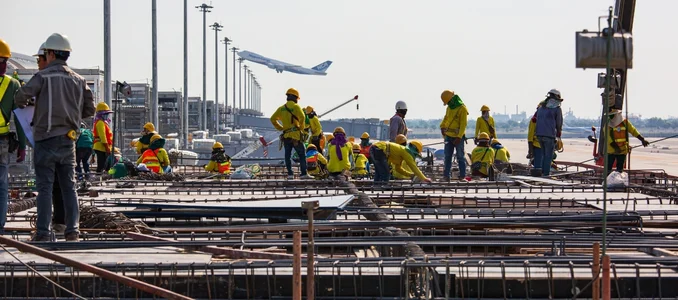
The urgency of this dialogue is underscored by a warming trend that has seen recent years rank among the hottest on record. According to data from the National Oceanic and Atmospheric Administration (NOAA), the frequency and intensity of heatwaves in the United States have increased significantly over the last two decades. For workers in industries such as construction, logistics, and aviation, these weather patterns are not merely environmental concerns; they are occupational hazards.
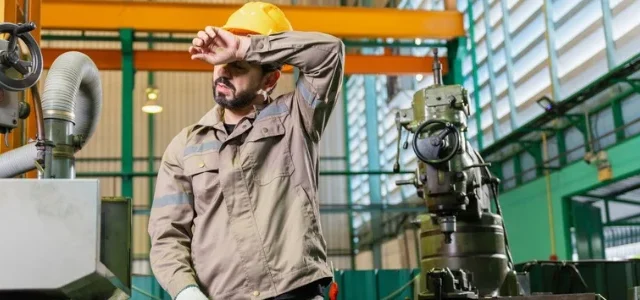
Heat stress occurs when the body’s cooling mechanisms—primarily perspiration—are overwhelmed by external temperatures and physical exertion. In the workplace, this manifests through a spectrum of conditions, including heat exhaustion, heat cramps, and the life-threatening condition of heat stroke. When an employee’s core body temperature rises rapidly, the body loses its ability to regulate, leading to potential organ failure or death if not treated immediately.
The risks are particularly acute in urban environments like New York City, where the "urban heat island" effect—caused by dense concentrations of pavement, buildings, and lack of green space—can cause local temperatures to soar several degrees higher than surrounding suburban areas. For an airport worker on a blacktop tarmac or a delivery driver navigating high-traffic routes without air-conditioned relief, the thermal load can quickly become unsustainable.

Chronology of Advocacy and Regulatory Pressure
The push for enhanced heat protections is the culmination of years of advocacy by labor unions and safety organizations. The formation of the TEMP Coalition represents a strategic shift toward unified, multi-industry lobbying.
Historically, federal oversight through the Occupational Safety and Health Administration (OSHA) has relied on the "General Duty Clause" to address heat hazards. This clause requires employers to provide a workplace "free from recognized hazards that are causing or are likely to cause death or serious physical harm." However, critics argue that this approach is reactive rather than proactive, as it often requires a serious injury or fatality to occur before enforcement action is taken.
In recent years, the movement for state-level and city-level mandates has gained momentum. By convening this roundtable, the TEMP Coalition is attempting to codify specific, enforceable measures. These include mandatory rest breaks in shaded or air-conditioned areas, access to cool drinking water, and "acclimatization" policies that allow new or returning workers to gradually increase their exposure to high-heat conditions rather than jumping into full-intensity shifts immediately.

Analysis of Workplace Vulnerabilities
The roundtable will dissect the specific gaps in protection that leave workers vulnerable. In the warehouse sector, for example, high-speed productivity quotas often discourage workers from taking the necessary time to hydrate or cool down. In the delivery sector, vehicles lacking integrated climate control systems—or those that require frequent door opening—render air conditioning ineffective.
From a public health perspective, the implications are vast. A study published in the journal Environmental Health Perspectives suggests that occupational heat stress leads to a significant increase in emergency department visits during peak summer months. Beyond the immediate health risks, heat stress contributes to diminished cognitive function and motor control, which increases the likelihood of traumatic workplace accidents—such as falls or machinery-related injuries—that occur independently of the heat itself.
Economic analysts point out that while the cost of implementing heat safety protocols—such as additional staffing to cover breaks or investment in cooling infrastructure—is significant, it is dwarfed by the long-term costs of lost productivity, workers’ compensation claims, and the replacement of skilled labor due to heat-related disability.

Perspectives from Labor and Government
The presence of Deputy Mayor Julie Su at the roundtable signals an acknowledgment from the municipal government that the status quo is insufficient. Labor organizations participating in the event, such as the BlueGreen Alliance and National COSH, argue that the conversation must shift from "recommendations" to "enforcement."
"We are seeing our members reach a breaking point," a representative for the involved unions noted in preliminary discussions. "When you are working on a roof in 95-degree heat or sorting packages in a warehouse that lacks industrial-grade ventilation, you aren’t just facing discomfort—you are facing a fundamental violation of your right to a safe workplace."
The city’s involvement is expected to explore how local zoning laws, building codes, and labor ordinances can be leveraged to mandate cooling standards. This includes the potential for new legislation that would require employers to provide specific, quantifiable cooling protections during "heat advisories" issued by the National Weather Service.

The Path Toward Enforceable Standards
The September 22 discussion is intended to serve as a blueprint for policy development. Organizers have identified several key outcomes they hope to achieve:
- Standardized Heat Thresholds: Establishing clear, scientifically backed temperature triggers at which specific safety protocols—such as mandatory 15-minute breaks every hour—must be activated.
- Infrastructure Requirements: Pushing for updates to warehouse and industrial facility standards that mandate active cooling and air circulation systems.
- Training and Education: Ensuring that all employees and supervisors are trained to recognize the early signs of heat illness and are empowered to initiate safety protocols without fear of retaliation.
- Reporting Transparency: Creating a more robust system for tracking heat-related incidents to ensure that data accurately reflects the scope of the problem.
As the roundtable approaches, the organizers emphasize that registration is essential for attendance, reflecting the high level of interest from stakeholders, policy experts, and media outlets. The event, held at the 32BJ SEIU headquarters in Manhattan, represents a pivotal moment in the labor movement’s history in New York.
Conclusion: A New Standard for Urban Labor
The challenge of climate change is reshaping the fundamental contract between employers and employees. As the summer of 2026 demonstrates, the ability to perform work in a changing climate is no longer a given; it is a resource that must be protected. By bringing the voices of those on the front lines directly to the halls of city power, the TEMP Coalition is hoping to transform the discussion from one of advocacy to one of policy.

Whether the city will move toward a comprehensive heat-protection ordinance remains to be seen. However, the alignment of labor, safety advocates, and city leadership suggests that a shift is underway. The goal is to ensure that when the next heatwave hits, New York City workers are no longer forced to choose between their livelihoods and their lives. The roundtable on September 22 serves as the first step in creating a safer, more resilient labor environment for a city that, like the rest of the world, must adapt to a hotter future.