The Intersection of Motorsport and Public Safety
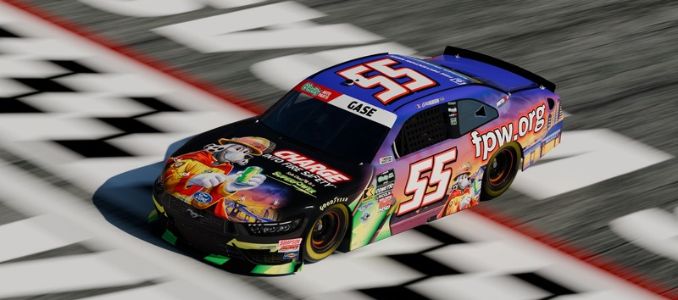
For the 2026 racing season, the NFPA has strategically selected the high-visibility arena of the NASCAR Xfinity Series to reach a broad demographic. Joey Gase, who has partnered with the NFPA since 2023, will pilot the No. 55 vehicle adorned with a distinct paint scheme designed to highlight the Fire Prevention Week initiative. The car will make its first appearance at the Focused Health 302 at Las Vegas Motor Speedway on October 3, followed by a second outing at the Blue Cross NC 300 at Charlotte Motor Speedway on October 10.
By leveraging the reach of NASCAR, which commands millions of viewers globally, the NFPA aims to penetrate the cultural noise and deliver life-saving information to families who rely on rechargeable electronics daily. This is not merely a branding exercise; it is an integrated public health campaign designed to mitigate the rising frequency of battery-related fires in residential settings.

The Rising Threat of Lithium-Ion Battery Fires
The urgency behind this year’s Fire Prevention Week theme is supported by a significant shift in the consumer electronics landscape. Lithium-ion batteries, while efficient and energy-dense, possess a unique chemical volatility. When damaged, overcharged, or exposed to high temperatures, these batteries can undergo "thermal runaway"—a self-sustaining, intense chemical reaction that is notoriously difficult to extinguish once ignited.
Data from the NFPA and the Consumer Product Safety Commission (CPSC) indicates a disturbing upward trend in fire incidents linked to micro-mobility devices, such as e-bikes, e-scooters, and hoverboards, as well as common portable electronics. The complexity of these fires lies in their chemistry: standard fire suppression methods are often ineffective, requiring specialized fire department protocols. As households increasingly accumulate dozens of rechargeable devices—ranging from power tools to smartphones and garden equipment—the potential for ignition in living spaces has increased proportionally.

Chronology of the NFPA-Gase Partnership
The relationship between the NFPA and Joey Gase is rooted in a shared commitment to community well-being. Since the partnership’s inception in 2023, the two parties have utilized the racing circuit as a moving billboard for fire safety.
- 2023: The initial collaboration began with a focus on general fire safety, utilizing Gase’s platform to educate fans about smoke alarms and escape planning.
- 2024–2025: The messaging evolved to include more technical aspects of fire prevention, such as the dangers of blocked egress points and the importance of professional-grade fire safety equipment in residential garages.
- October 2026: The current initiative focuses specifically on the "Charge into Fire Safety" campaign, marking the most concentrated effort to address the lithium-ion crisis through the sponsorship of the No. 55 car.
This multi-year effort demonstrates a consistent strategy of using high-engagement environments to disseminate technical safety information that might otherwise be overlooked by the average consumer.

Official Perspectives on Consumer Safety
Lorraine Carli, the NFPA vice president of Outreach and Advocacy, has emphasized that the campaign’s success rests on the simplicity of the message. During the announcement, Carli highlighted that the prevalence of rechargeable batteries in the average home makes this an essential conversation for every family. "Race weekends bring together hundreds of thousands of NASCAR fans and families who use rechargeable batteries every day," Carli stated. "These races give us a chance to share a simple reminder: The way you charge your devices can help prevent a fire."
The NFPA’s advocacy is backed by a set of clear guidelines that they hope to disseminate through this partnership. These include using only the manufacturer-provided charging equipment, avoiding the practice of charging devices while sleeping, and immediately removing damaged or bulging batteries from service. By associating these behaviors with the "superpower" theme, the NFPA is attempting to reframe safety-conscious charging as a proactive, intelligent lifestyle choice rather than a burdensome chore.

Analysis: Implications for Public Health and Safety
The implications of this partnership extend far beyond the racetrack. As municipal fire departments across the United States report an increase in emergency calls related to battery failure, the NFPA’s push for public awareness is timely. In many urban environments, the density of lithium-ion batteries—combined with older housing stock—creates a high-risk scenario for multi-family residential fires.
The analytical perspective from safety experts suggests that education is the most effective tool for prevention. Unlike traditional fire hazards, which have been well-understood for decades, the hazards associated with lithium-ion technology are relatively new to the average consumer. Most users are unaware that a battery does not need to be in use to pose a fire risk; it simply needs to be connected to a power source, or in some cases, simply compromised by physical impact.

The choice of Joey Gase as an ambassador is also calculated. Gase is known for his commitment to charitable causes and his accessibility to fans, making him an ideal messenger for complex safety information. By simplifying the science of "thermal runaway" into actionable advice—such as "unplug once charged" and "never leave charging devices unattended"—the NFPA is translating high-level technical risk into manageable, everyday behaviors.
Broader Impact on Fire Prevention Week 2026
Fire Prevention Week, which dates back to the aftermath of the Great Chicago Fire of 1871, has historically focused on traditional fire safety measures like smoke detector maintenance and kitchen safety. The shift toward lithium-ion battery safety in 2026 reflects a modern evolution in the NFPA’s mandate. As technology advances, the nature of residential fire risk changes, and the NFPA is demonstrating an ability to pivot its educational resources to meet these emerging threats.

Industry observers suggest that the 2026 campaign will likely influence future regulations and standards regarding battery safety. As public awareness grows, there is often a corresponding increase in demand for safer product designs and better labeling from manufacturers. By creating a groundswell of public interest, the NFPA is effectively applying pressure to the consumer electronics market to prioritize safety over convenience.
Conclusion: A Collaborative Road Forward
The collaboration between the NFPA and Joey Gase for the 2026 season represents a modern approach to public service announcements. By meeting the public where they are—whether that is at the Las Vegas Motor Speedway or the Charlotte Motor Speedway—the NFPA is ensuring that its message of "safe charging" reaches a diverse audience that transcends age, geography, and socioeconomic status.

As the checkered flag drops on the 2026 Fire Prevention Week, the success of the campaign will be measured not just in social media impressions or race day attendance, but in the long-term adoption of safer battery-handling habits. Through the partnership with Gase, the NFPA is steering the conversation toward a future where the convenience of rechargeable technology is balanced by a rigorous commitment to fire safety, ultimately ensuring that the "superpower" of safe charging remains a tool for progress rather than a source of danger.