
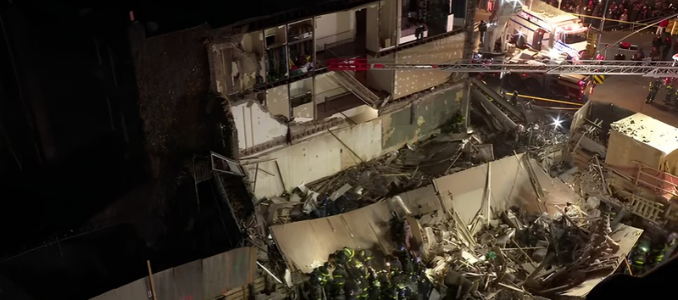
The collapse occurred during the morning hours, sending debris cascading into an open excavation site at 2625 Bedford Avenue. The site, which has been the subject of ambitious development plans, was being prepared for a new foundation when the neighboring structure gave way. The resulting debris field, which filled a significant portion of the excavated pit, created a treacherous environment for first responders. FDNY Commissioner Lillian Bonsignore noted that the rescue operation was exceptionally dangerous, as unstable rubble and the potential for secondary collapses forced responders to utilize specialized equipment—including search dogs, power saws, and manual hand tools—to navigate the wreckage.
Chronology of Site Activity and Enforcement History
The tragedy has brought renewed attention to the regulatory history of the 2625 Bedford Avenue development site. City records maintained by the New York City Department of Buildings (DOB) indicate that the property has been under the microscope of municipal inspectors for several months.
On April 23, the DOB issued a Class 1 violation against the demolition contractor then working on the site. According to official records, inspectors discovered that an entire building had been razed despite a standing stop-work order. The violation, which resulted in a $10,000 fine, was eventually marked as resolved after the penalty was paid. While the contractor subsequently claimed the violation was related to minor administrative issues, such as the absence of a fire extinguisher and general site housekeeping, the incident established a documented record of non-compliance at the location.
The timeline of development plans for the site further complicates the narrative. While the developer is reportedly seeking municipal approval for a nine-story structure featuring 64 residential units and a ground-floor grocery store, NYC Buildings Commissioner Ahmed Tigani clarified that the current active permits only authorized a three-story building. The discrepancy between the planned expansion and the authorized work remains a central pillar of the ongoing investigation, as officials look to determine if pressure to expedite the foundation work played a role in the instability of the adjacent property.

Technical Analysis of Structural Failure
Structural engineers point out that foundation work and deep excavations in urban environments like Brooklyn are inherently high-risk activities. When a building is situated immediately adjacent to a new excavation, the soil beneath the existing foundation can shift if the earth-retention systems—such as shoring, sheet piling, or underpinning—are not correctly installed or monitored.
In typical urban construction, the "zone of influence" created by excavation can extend far beyond the footprint of the pit itself. If the lateral earth pressure is not properly managed, the soil can move into the excavated space, causing the adjacent foundation to lose its bearing capacity. This phenomenon, known as settlement, can occur rapidly, often leading to the type of progressive collapse seen at the Flatbush site.
The investigation, led by the Department of Buildings, is currently focused on whether the excavation reached an depth that compromised the stability of the 1321 Flatbush Avenue foundation. Forensic engineers are analyzing soil samples, site logs, and the structural integrity of the remaining wall sections to determine if the excavation work deviated from the approved engineering plans or if the geological conditions required more robust mitigation than was provided.

Official Responses and Emergency Operations
The scale of the emergency necessitated a significant mobilization of city resources. Mayor Zohran Mamdani confirmed that approximately 250 firefighters were dispatched to the scene in the immediate aftermath of the collapse. The rescue effort, which stretched through the day, was hampered by the depth of the debris and the inherent instability of the site.
"The safety of our residents and the integrity of our construction sites are paramount," Commissioner Tigani stated in a press briefing following the collapse. "We are committed to a thorough, transparent, and rigorous investigation to determine exactly what led to this failure and to ensure that all parties involved are held to the highest standards of safety."
The DOB has issued a full stop-work order for the entire site while the investigation proceeds. The department is also conducting a review of all permits associated with the developer, the general contractor, and the structural engineering firm of record. While formal charges have not been leveled against any party, the investigative scope is broad, encompassing architectural drawings, soil analysis, and site safety management logs.

The Broader Implications for NYC Construction Safety
The Brooklyn incident serves as a grim reminder of the challenges inherent in high-density urban development. As New York City continues to push for increased housing stock, the prevalence of infill construction—building on small, tight lots between existing structures—has surged. This trend inherently increases the risk of structural interference between new foundations and aging infrastructure.
Industry experts suggest that the city may need to re-evaluate the threshold for oversight on deep-excavation projects. Currently, the DOB requires professional certification for most structural work, but the enforcement of site-specific safety plans often relies on the diligence of private contractors. When a contractor has a history of regulatory non-compliance, as seen in the April violation, critics argue that the city should mandate more frequent, unannounced inspections rather than relying on self-reporting or reactive enforcement.
Furthermore, the case highlights the tension between property owners seeking to maximize the utility of their land through vertical expansion and the preservation of adjacent buildings. The confusion regarding the nine-story proposal versus the three-story permit suggests a disconnect between the development aspirations of property owners and the zoning and safety limitations imposed by the city.

Moving Forward: Forensic Investigation and Accountability
As the recovery concludes and the site is stabilized, the focus shifts to the legal and professional ramifications of the collapse. The AP and other outlets have reached out to the project’s architect, the general contractor, and the property owner for comment, though many have remained silent, citing the active investigation.
Legal analysts note that if the investigation reveals negligence, the parties involved could face severe penalties, including the permanent revocation of licenses, substantial civil fines, and potential criminal liability. Beyond the immediate legal fallout, the collapse is likely to trigger a series of legislative discussions in the City Council regarding enhanced safety requirements for excavation, the tightening of regulations for repeat-offender contractors, and potential mandates for more stringent seismic or structural monitoring of buildings adjacent to major construction sites.
The victims of the collapse, including the injured firefighters who were working under extreme conditions, have become the face of a growing demand for accountability in the construction industry. As the community of Flatbush begins the process of recovery, the city’s regulatory bodies are under pressure to provide answers that go beyond the technical causes of the failure. The public, the building trades, and the municipal administration are now waiting for the final report from the Department of Buildings, which will likely serve as the definitive account of the systemic failures that allowed this tragedy to occur.

For now, the site remains a stark reminder of the delicate balance required to develop a growing city. The wreckage at 1321 Flatbush Avenue stands as a monument to the necessity of rigorous safety standards, where the pursuit of new housing cannot come at the expense of public safety. The coming months will be critical in determining how the city adapts its oversight, its enforcement, and its relationship with the development community to ensure that such a collapse does not happen again.