
The Evolution of Ménière’s Disease: A Stage-by-Stage Breakdown
Ménière’s disease is often described through four broad stages: early, middle, late, and advanced. These are not definitive diagnostic categories but rather descriptive models illustrating potential symptom patterns. The disease is believed to stem from abnormal fluid pressure within the inner ear, a condition known as endolymphatic hydrops. This imbalance in fluid pressure can distort the delicate structures responsible for converting sound into electrical signals for hearing and motion into balance cues, leading to the characteristic symptoms.
Stage 1: The Early Stage – Fluctuating Symptoms and Unpredictability
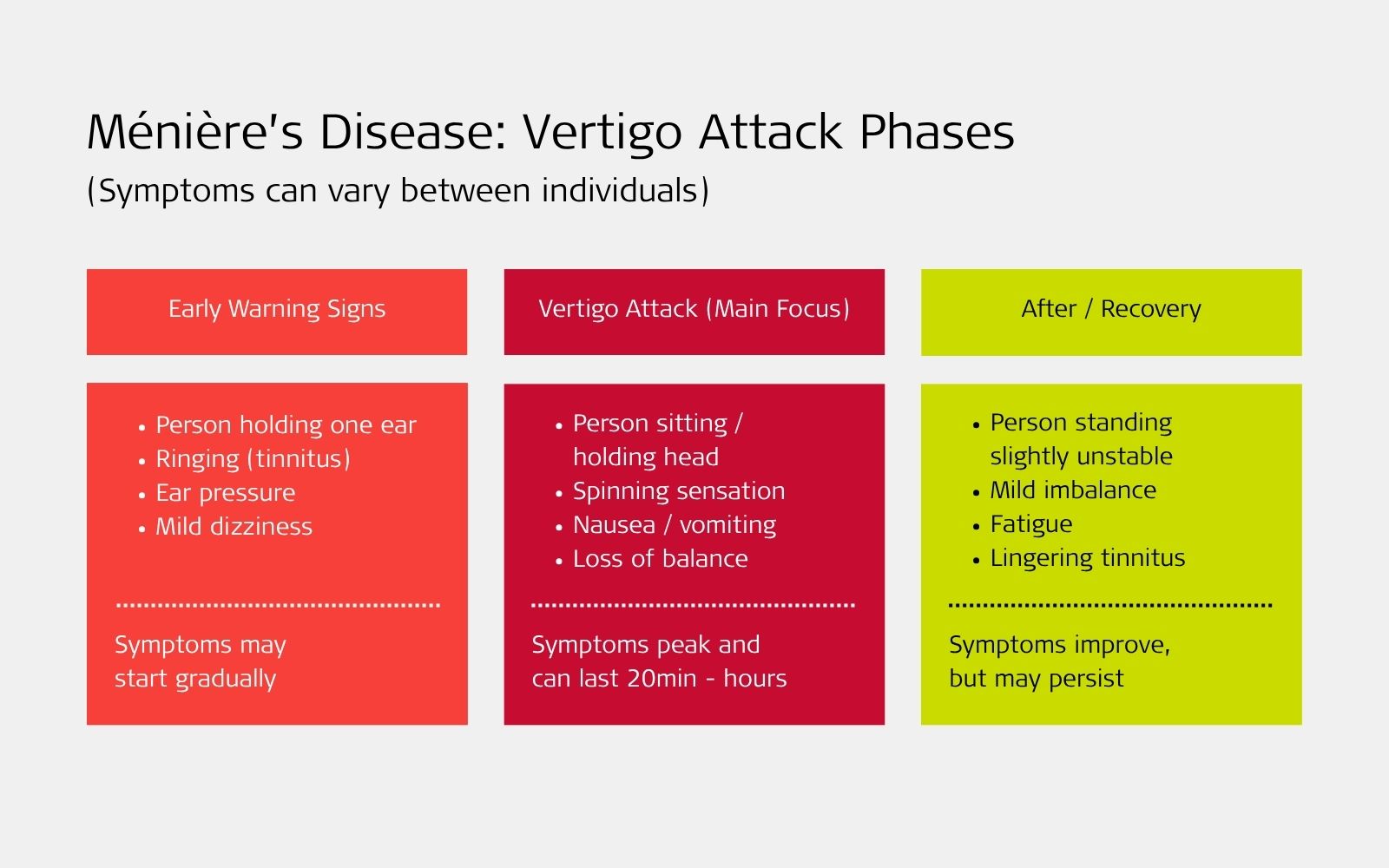
In the early stages of Ménière’s disease, symptoms often manifest intermittently and unpredictably. Individuals may experience sudden, intense vertigo attacks, often described as a spinning sensation, or they might first notice changes in hearing, the onset of tinnitus (ringing, buzzing, or roaring in the ear), a feeling of ear fullness, or a general sense of imbalance.

Hearing loss during this phase is typically fluctuating. This means that hearing in the affected ear may become muffled or reduced during an episode but can improve afterward. Tinnitus is a common companion, often described as a persistent ringing, buzzing, roaring, or humming sound. Aural fullness, a sensation of pressure, blockage, or congestion in the ear, is another hallmark symptom. Due to the episodic nature of these symptoms, individuals may initially attribute them to other causes such as stress, fatigue, migraines, or ear infections.
A critical recommendation during this stage is diligent symptom tracking. Maintaining a diary that records the timing, duration, and intensity of vertigo attacks, as well as any changes in hearing, tinnitus, or ear fullness, can provide invaluable information for diagnosis and treatment planning when consulting with a specialist.
Key characteristics of Stage 1:
- Vertigo: Sudden, intense attacks lasting from 20 minutes to several hours.
- Hearing Loss: Fluctuating, with potential for recovery between episodes.
- Tinnitus/Fullness: Intermittent ringing, buzzing, or a feeling of fullness in the ear.
- Balance: Generally normal between attacks.
Stage 2: The Middle/Intermediate Stage – Increased Persistence and Daily Impact
As Ménière’s disease progresses to the middle stage, symptoms may become more pronounced and noticeable in daily life. While the pattern of experience varies, some individuals find their vertigo attacks become less frequent or less severe, while others continue to experience unpredictable episodes.

A significant change often observed in this stage is that hearing loss may become more persistent, with less complete recovery between episodes. Tinnitus can evolve from intermittent to more constant, and the sensation of ear fullness may last longer.
Communication can become more challenging, with individuals reporting difficulties hearing in noisy environments, following conversations in group settings, or understanding speech, particularly on the affected side. The interplay between hearing and balance issues can also lead to mild unsteadiness experienced between vertigo attacks. Although periods of remission are still possible, symptoms in this stage may feel less like isolated incidents and more like an ongoing aspect of daily life.
Key characteristics of Stage 2:
- Vertigo: May become less frequent or less severe, but can still be unpredictable.
- Hearing Loss: More persistent, with less complete recovery between episodes.
- Tinnitus/Fullness: Tinnitus may become more constant, and ear pressure may be prolonged.
- Balance: Mild imbalance may begin to be noticeable between attacks.
Stage 3: The Late Stage – Shifting Challenges and Permanent Changes
In the late stage of Ménière’s disease, vertigo attacks often decrease in frequency or intensity. However, this reduction in vertigo does not necessarily signify an improvement in the overall condition. Instead, the primary challenges tend to shift towards more permanent hearing loss and persistent balance problems.
Hearing loss in the affected ear can become significant and more constant. Tinnitus may continue, and some individuals may still experience ear fullness or pressure. Balance difficulties can become more pronounced, particularly in low-light conditions, on uneven terrain, or when fatigued.
The impact on confidence and independence can be substantial during this stage. Individuals might begin to avoid certain activities such as crowded places, navigating stairs, driving, or any situation where a sudden balance disturbance could pose a safety risk. Comprehensive support from an ENT specialist, audiologist, and potentially a balance therapist becomes crucial for developing practical strategies to manage daily life effectively.
Key characteristics of Stage 3:
- Vertigo: Less frequent or less severe.
- Hearing Loss: Significant and more constant.
- Tinnitus/Fullness: Ongoing tinnitus and ear fullness.
- Balance: Persistent balance problems, often exacerbated in challenging environments.
Stage 4: The Advanced Stage (Burnout Phase) – Residual Damage and Evolving Risks
The advanced stage is sometimes referred to as the "burnout phase." In this phase, vertigo attacks typically diminish or cease altogether. However, this reduction in vertigo is often accompanied by enduring inner ear damage. It’s important to note that this pattern is not universal, and this stage is not always considered a definitively defined stage of Ménière’s disease.

At this advanced stage, hearing loss in the affected ear can become permanent and severe. Tinnitus and aural fullness may persist. Balance issues can remain a significant concern, as the inner ear may no longer be able to provide reliable balance signals to the brain.
A concerning symptom that can emerge in this phase for some individuals is the occurrence of "drop attacks." These are sudden falls that happen without any loss of consciousness or prior warning. Drop attacks pose a serious risk of injury and require immediate discussion with a medical specialist.
Key characteristics of Stage 4:
- Vertigo: Rare or absent.
- Hearing Loss: Permanent and often severe.
- Tinnitus/Fullness: Constant tinnitus and ear fullness.
- Balance: Ongoing imbalance, with a potential for sudden falls (drop attacks).
The Fluid Dynamics of Ménière’s Disease: Understanding the Underlying Mechanism
The progression of symptoms in Ménière’s disease is intrinsically linked to the underlying pathophysiology: endolymphatic hydrops. The inner ear, a complex system of fluid-filled canals and chambers, is responsible for both hearing and balance. Endolymphatic hydrops involves an abnormal buildup of endolymph, the fluid within the inner ear, leading to increased pressure.
Imagine the inner ear as an exquisitely sensitive instrument. When the fluid pressure within this instrument fluctuates abnormally, the delicate signals it sends to the brain regarding sound and movement can become distorted. Initially, these distortions may manifest as transient symptoms like fluctuating hearing loss and vertigo attacks. However, with repeated disruption, the delicate hair cells and other neural structures within the inner ear, which are crucial for accurate hearing and balance processing, can suffer damage. This progressive damage is what leads to the shift from fluctuating symptoms to more permanent hearing loss, persistent tinnitus, and chronic imbalance observed in later stages.
Diagnosis: A Multifaceted Approach
Diagnosing Ménière’s disease requires a comprehensive evaluation by a qualified healthcare professional, typically an ENT (Ear, Nose, and Throat) specialist. There isn’t a single definitive test that confirms the condition in all cases. Instead, the diagnosis is usually made based on a combination of factors:
- Symptom Presentation: The presence of the characteristic symptoms: episodic vertigo, fluctuating hearing loss, tinnitus, and aural fullness.
- Medical History: A detailed account of the patient’s symptoms, their onset, frequency, duration, and any associated factors.
- Hearing Tests (Audiometry): These tests assess the type and degree of hearing loss, which can reveal patterns typical of Ménière’s disease, often involving low-frequency hearing loss in the early stages.
- Vestibular Function Tests: These evaluations assess the balance system, including tests like electronystagmography (ENG) or videonystagmography (VNG), to measure eye movements and identify abnormalities in the vestibular system.
- Imaging Studies: While not always necessary for diagnosis, MRI scans may be used to rule out other conditions that can mimic Ménière’s symptoms, such as acoustic neuromas or other neurological disorders.
Crucially, an ENT specialist will work to rule out other conditions that can present with similar symptoms, including vestibular migraine, vestibular neuritis, labyrinthitis, Meniere’s-like symptoms caused by other conditions, ear infections, and various neurological disorders.
Management Strategies: A Focus on Symptom Control and Quality of Life
Currently, there is no known cure for Ménière’s disease. However, a range of treatment and management strategies can effectively control symptoms, mitigate safety risks, and significantly improve a patient’s quality of life. Treatment plans are highly individualized, taking into account the specific symptoms, degree of hearing loss, balance function, overall health, and the stage of the disease.

Lifestyle and Safety Adjustments
For many individuals, lifestyle modifications can play a vital role in managing Ménière’s disease. Recommendations often include:
- Dietary Changes: Reducing salt intake is frequently advised, as high sodium levels can contribute to fluid retention and potentially exacerbate inner ear fluid pressure.
- Stress Management: Chronic stress can be a trigger for symptom exacerbation. Techniques such as mindfulness, meditation, or yoga may be beneficial.
- Trigger Avoidance: Identifying and avoiding personal triggers, which can vary widely and may include caffeine, alcohol, certain foods, or lack of sleep.
- Safety Modifications: Implementing safety measures at home and work to reduce the risk of falls, especially given the potential for balance issues and vertigo. This might include ensuring good lighting, removing tripping hazards, and using assistive devices when necessary.
Medical Interventions
- Medications for Vertigo and Nausea: During acute vertigo attacks, medications like meclizine or benzodiazepines may be prescribed to alleviate dizziness and nausea. For persistent nausea and vomiting, antiemetic drugs can provide relief.
- Diuretics: In some cases, diuretics (water pills) may be used to help reduce fluid buildup in the body, potentially impacting inner ear fluid pressure.
- Vestibular Rehabilitation Therapy (VRT): This specialized form of physical therapy is designed to help the brain adapt to and compensate for inner ear balance problems. VRT exercises can improve gaze stability, posture, and overall balance, though it is primarily aimed at long-term balance issues rather than halting an acute vertigo attack.
Hearing Support and Advanced Solutions
As Ménière’s disease progresses, hearing loss can become a significant challenge. When conventional hearing aids are insufficient, other options may be considered:
- CROS/BiCROS Systems: For single-sided deafness, these systems transmit sound from the deaf ear to the hearing ear, improving sound awareness.
- Bone Conduction Solutions: These devices transmit sound vibrations through the bones of the skull directly to the inner ear, bypassing the middle and outer ear.
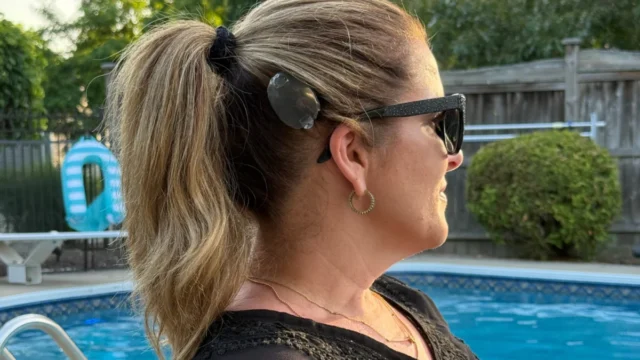
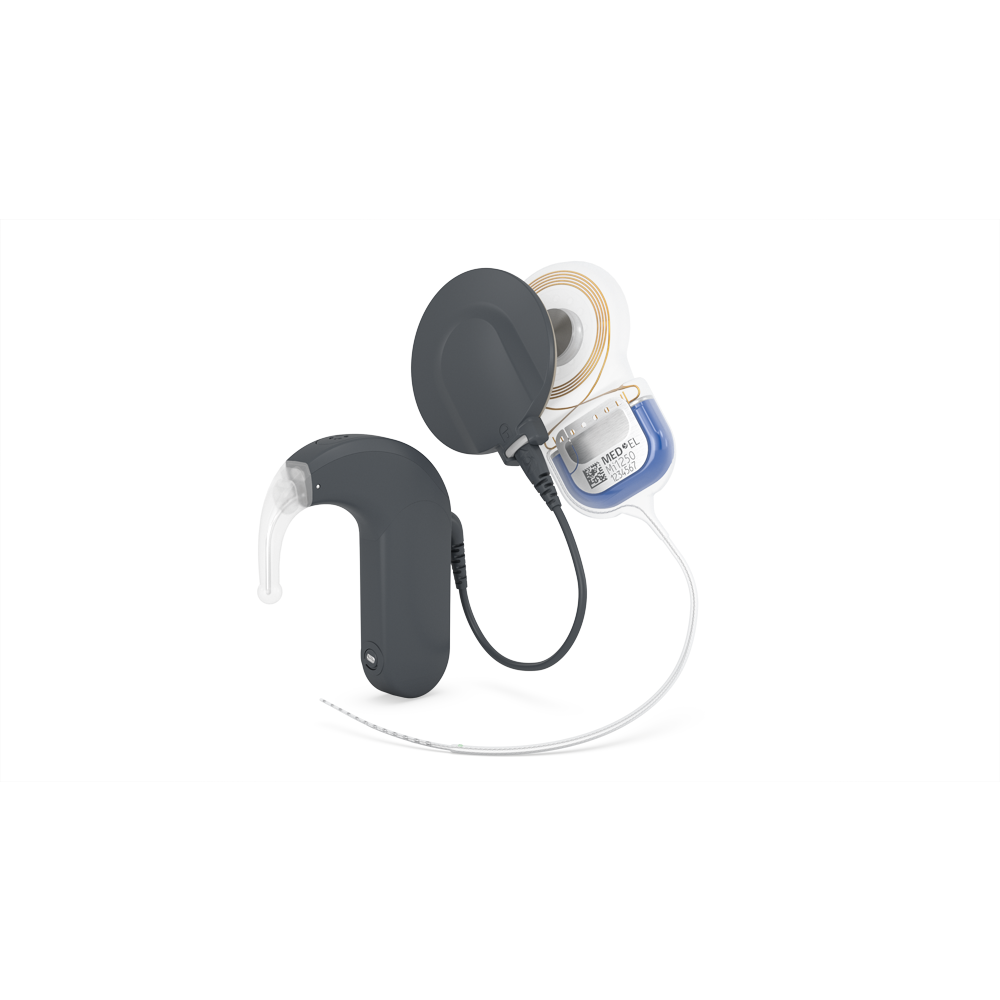
- Cochlear Implants: For individuals with severe to profound sensorineural hearing loss in one or both ears, a cochlear implant can be a life-changing solution. These electronic devices bypass damaged parts of the inner ear and directly stimulate the auditory nerve, restoring a sense of hearing. Helen, an audiologist from Australia who experienced single-sided deafness due to Ménière’s disease, shared her experience with a MED-EL cochlear implant: "My MED-EL cochlear implant also silenced my tinnitus, which is really quite amazing and a huge relief." Her experience highlights how advanced hearing solutions can address not only hearing loss but also associated symptoms like tinnitus.
The Long-Term Outlook and When to Seek Medical Attention
The long-term prognosis for Ménière’s disease is highly variable. Some individuals may experience infrequent attacks with extended symptom-free periods, while others may face more persistent and progressive hearing and balance difficulties. While symptoms may stabilize, they typically do not disappear entirely. In a minority of cases, the condition can eventually affect both ears, though it most commonly remains unilateral.
It is crucial to seek medical advice if you experience:

- Recurring vertigo attacks.
- Fluctuating or progressive hearing loss.
- Persistent tinnitus or aural fullness.
- Sudden or worsening balance problems.
- Any new or severe dizziness, especially if accompanied by neurological symptoms like weakness, speech difficulty, chest pain, or severe headaches, which could indicate a more urgent medical condition.
Conclusion: Navigating Ménière’s Disease with Knowledge and Support
The so-called four stages of Ménière’s disease provide a valuable conceptual framework for understanding how symptoms can evolve over time. However, it is paramount to remember that these stages are generalized descriptors of potential patterns, not a rigid, predictable pathway. Each individual’s journey with Ménière’s disease is unique, and the progression of symptoms can vary considerably. Self-diagnosis should always be avoided, and professional medical guidance is essential.
With appropriate medical support, including accurate diagnosis, personalized management strategies, and timely intervention for hearing loss, many individuals can effectively manage their symptoms, minimize safety risks, and maintain a good quality of life. Early consultation with an ENT specialist or hearing care professional is the critical first step in understanding your symptoms and exploring the most effective path forward.