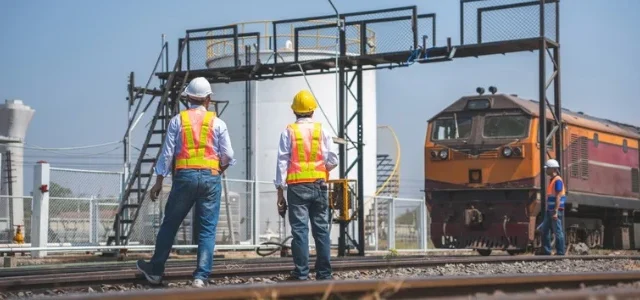

The Evolution of Workplace Safety Intelligence
Historically, occupational health and safety (OH&S) management relied on localized, periodic audits and reactive reporting mechanisms. However, the contemporary safety professional operates within a digital ecosystem where data points are generated at a high velocity. The transition toward data-driven safety management—often characterized by the implementation of Internet of Things (IoT) sensors, predictive analytics, and automated reporting systems—has rendered traditional information gathering obsolete.
To remain compliant with the mandates set forth by regulatory bodies such as the Occupational Safety and Health Administration (OSHA) in the United States or the European Agency for Safety and Health at Work (EU-OSHA), firms must now adopt a continuous learning model. This model requires a steady stream of updates regarding legislative changes, technological advancements, and emerging hazard trends.
Chronology of Safety Standards and Information Access
The requirement for standardized, accessible safety data gained significant momentum in the late 20th century. Below is a timeline reflecting the shift toward integrated safety information dissemination:
- 1970: The enactment of the Occupational Safety and Health Act, which codified the requirement for employers to provide a workplace free from recognized hazards. This established the baseline for systemic safety reporting.
- 1990s: The advent of the internet facilitated the centralization of safety data, transitioning from physical trade journals to digital newsletters and centralized databases.
- 2010s: The rise of mobile technology and cloud computing allowed for the real-time dissemination of safety bulletins, enabling site managers to access regulatory updates from the field.
- 2020s: The global pandemic served as an accelerant for digital information channels. Safety communication moved from static documents to dynamic, interactive platforms that prioritize instant updates on health protocols and hazard mitigation.
Supporting Data on Occupational Hazards
Statistical analysis underscores the necessity of maintaining updated safety knowledge. According to data from the Bureau of Labor Statistics (BLS), private industry employers reported approximately 2.8 million nonfatal workplace injuries and illnesses in recent annual reports. Furthermore, the cost of these incidents to the global economy is estimated in the hundreds of billions of dollars annually, encompassing medical expenses, lost productivity, and legal liabilities.
Research indicates that organizations with a high degree of "information maturity"—the ability to source, synthesize, and act upon safety data—demonstrate a 30% lower incident rate compared to their peers who rely on legacy communication systems. The correlation between the speed of information delivery and the mitigation of workplace accidents is a focal point for modern safety directors, who prioritize the integration of e-news platforms into their daily workflows.
The Mechanics of Informed Safety Management
Modern safety e-news platforms serve as the connective tissue between regulatory agencies and the operational frontline. These platforms facilitate a tripartite flow of information:
- Regulatory Updates: Direct translation of federal and state legislative changes into actionable guidance for compliance officers.
- Product and Technological Innovations: Reviews of personal protective equipment (PPE), hazard detection hardware, and safety management software.
- Best Practices and Case Studies: Peer-reviewed insights into how diverse organizations solve complex safety challenges, such as workplace violence, ergonomic stressors, and chemical exposure.
By subscribing to centralized information hubs, safety professionals minimize the risk of "information siloing," a common failure point where critical updates fail to reach the individuals responsible for on-site implementation.

Official Perspectives and Industry Reactions
Industry associations and safety experts consistently advocate for the formalization of information streams within corporate hierarchies. Dr. Elena Vance, a lead consultant in industrial ergonomics, notes, "The speed at which we can disseminate a safety alert is now a direct variable in the equation of site safety. We are moving away from quarterly updates toward a culture of continuous, bite-sized, high-impact information cycles."
From a legal perspective, corporate counsel often emphasizes the role of documented information flow in protecting the firm during litigation. By maintaining an active, traceable subscription to industry-standard news, companies demonstrate a "good faith" effort to stay informed of best practices, which can be a critical factor in regulatory inspections and legal defense.
Broader Impact and Organizational Resilience
The implications of failing to keep pace with safety intelligence extend beyond regulatory fines. A lack of awareness regarding emerging hazards can lead to reputational damage, the loss of skilled labor, and operational downtime. In a competitive labor market, high-performing safety protocols are increasingly viewed as a hallmark of corporate social responsibility (CSR) and ESG (Environmental, Social, and Governance) compliance.
Organizations that prioritize the professional development of their safety teams through curated industry news often see a marked improvement in employee morale. When staff at all levels understand that their organization is investing in the most current safety technology and knowledge, the overall culture of safety improves, leading to higher levels of engagement and lower turnover.
Navigating the Digital Information Landscape
As safety professionals navigate an era of information overload, the challenge shifts from finding data to curating relevant, high-quality sources. Not all information is created equal; the reliance on peer-reviewed, expert-led, and verified industry outlets is essential for maintaining a rigorous safety standard.
When professionals sign up for specialized safety news, they are engaging in a process of professional vetting. By selecting platforms that offer technical depth, specific to their industry—whether it be construction, manufacturing, energy, or chemical processing—they ensure that the intelligence they receive is not only fast but also precise.
Future Trends in Safety Intelligence
Looking ahead, the integration of Artificial Intelligence (AI) into safety newsletters and intelligence platforms is expected to revolutionize how safety managers interact with information. We are likely to see:
- Personalized Feeds: Algorithms that curate safety updates based on the specific hazards present in a user’s facility.
- Predictive Hazard Alerts: Systems that analyze global industry trends to warn safety directors of potential risks before they manifest locally.
- Interactive Compliance Tools: Enhanced digital forms and verification systems that allow for seamless record-keeping and regulatory reporting.
In conclusion, the commitment to remaining informed is a foundational pillar of modern workplace safety. By leveraging digital platforms that provide essential industry news and product information, organizations can navigate the complexities of the modern industrial landscape with confidence. As the world of safety continues to evolve at an accelerated pace, the ability to synthesize information into action remains the most significant advantage a safety professional can possess. The integration of these digital tools is not merely an administrative task; it is an investment in the long-term viability, health, and success of the workforce. Through persistent engagement with industry-leading insights, professionals can ensure that their organizations remain not only compliant but also at the vanguard of occupational safety and health excellence.